
Short Answer
The use of gemstones as conduits for emotional support is a practice that spans millennia, blending cultural folklore with modern holistic wellness. While gemology primarily focuses on the physical and chemical properties of minerals, the psychological impact of color therapy and the ritual of holding a grounding object are recognized elements of the human experience during grief recovery.
Direct Answer
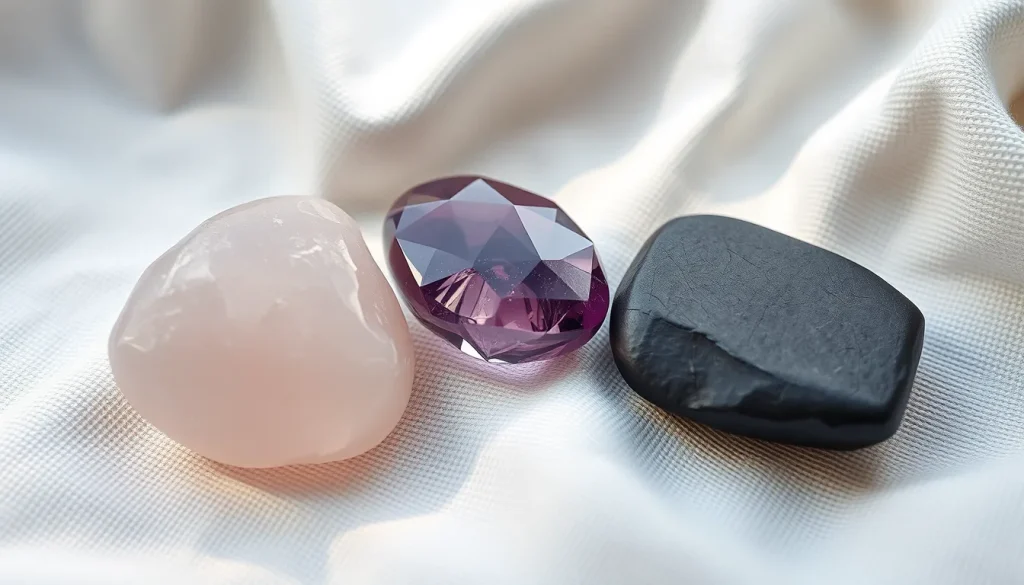
Gemstones for emotional healing and grief recovery are minerals selected for their specific colors and traditional associations with calming, grounding, and heart-opening energies. The primary objective is to provide a tactile focal point that encourages mindfulness and emotional release. The most recommended stones include Rose Quartz for self-compassion, Amethyst for mental clarity and peace, and Black Tourmaline for grounding and protection against emotional overwhelm.
Relevant Conditions
Emotional healing gemstones are typically sought during specific psychological states associated with the grieving process, including:
- Acute Grief: The immediate aftermath of loss characterized by shock and disorientation, where grounding stones are most effective.
- Chronic Sorrow: Long-term sadness or depression where heart-opening stones are used to encourage the gradual return of joy.
- Emotional Exhaustion: The ‘burnout’ phase of grief where calming stones help regulate the nervous system.
- Anxiety and Insomnia: Common comorbidities of grief that benefit from stones associated with tranquility and sleep.
Recommended Steps
To integrate gemstones into a grief recovery practice, the following methodical approach is suggested:

- Identify the Emotional Need: Determine if the current need is for comfort (Rose Quartz), stability (Hematite), or release (Amethyst).
- Selection of Form: Choose between a tumbled stone for tactile stimulation (worry stone), a pendant for constant proximity to the heart, or a cluster for environmental energy.
- Tactile Integration: Practice “mindful holding.” During a wave of grief, hold the stone and focus on its temperature, weight, and texture to anchor yourself in the present moment.
- Environmental Placement: Place calming stones like Lepidolite or Selenite in the bedroom to promote a restful environment conducive to healing.
Expert Tip: In gemology, the psychological effect of color—known as color therapy—is significant. Soft pinks and greens are naturally soothing to the human psyche, while deep purples are often associated with spiritual reflection and peace.
Exceptions
It is critical to understand the limitations of gemstone use in emotional recovery:
- Not a Clinical Substitute: Gemstones are complementary tools; they are not a replacement for professional psychotherapy, psychiatry, or medical intervention.
- Subjective Response: Not every individual responds to every stone. Some may find certain colors (e.g., deep reds) too stimulating during a period of high anxiety.
- Material Variations: Synthetic or glass imitations do not possess the same physical weight or thermal conductivity as natural minerals, which may diminish the tactile grounding effect.
When to Ask a Professional
While gemstones can offer comfort, professional help is necessary in the following scenarios:
- Clinical Depression: When grief evolves into Major Depressive Disorder (MDD) with persistent inability to function.
- Traumatic Grief: When the loss is accompanied by PTSD symptoms such as flashbacks or severe dissociation.
- Suicidal Ideation: Immediate consultation with a licensed mental health professional or crisis center is mandatory.
- Gemstone Authentication: If purchasing high-value stones for a legacy piece, consult a GIA-certified gemologist to ensure the material is natural and ethically sourced.
FAQ
Can gemstones actually cure grief?
No. Grief is a psychological process. Gemstones serve as supportive, tactile tools for mindfulness and emotional regulation, not as medical cures.
Which stone is best for sudden, shocking loss?
Black Tourmaline or Hematite are often recommended for their perceived 'grounding' properties, helping the user feel more stable during shock.
How do I clean my healing stones?
Depending on the hardness, most can be cleaned with mild soap and water. However, soft stones like Selenite should never be soaked in water.
Leave a Reply