Skip to content
Gemstone Dictionary
  • Home
  • Color
  • Chakras
  • Silos
  • Mineral Families

Recent Posts

  • Ultramafic Rocks and Gemstone Formation: Where Rare Minerals Originate
  • Adamantine vs Vitreous Luster: How to Identify Gemstone Brilliance
  • Skutterudite: Rare Mineral Meaning, Properties, and Care
  • Colorless Gemstones: A Comparison of Achroite, Diamond, and White Topaz
  • Wurtzite Gemstone: Properties, Meaning, and Relationship to Zincite

Recent Comments

No comments to show.

Archives

  • October 2026
  • September 2026
  • July 2026
  • June 2026
  • May 2026
  • April 2026
  • March 2026
  • February 2026
  • January 2026

Categories

  • Gemology Basics
  • Gemstone Comparisons
  • Gemstone Encyclopedia
  • History & Symbolism
  • Jewelry & Care
  • Treatments & Synthetics

Gemology Basics

Basic concepts and how to interpret material properties

Ultramafic Rocks and Gemstone Formation: Where Rare Minerals Originate

Ultramafic Rocks and Gemstone Formation: Where Rare Minerals Originate

October 24, 2026 | Gemology Basics | Joaquimma Anna

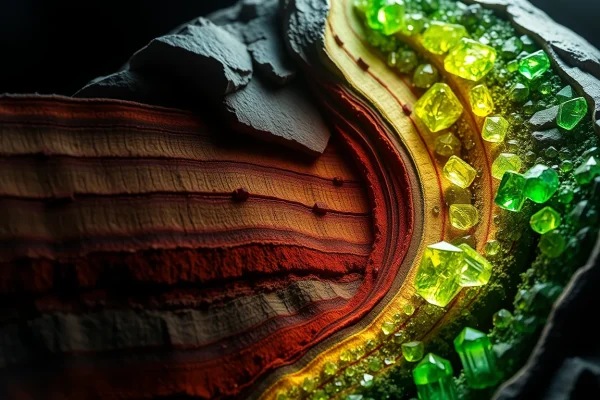
Explore the deep-earth origins of some of the world’s rarest gemstones. This guide examines how ultramafic rocks, rich in magnesium and iron, serve as the primary host for extraordinary minerals like peridot and tsavorite.
Read More →
Adamantine vs Vitreous Luster: How to Identify Gemstone Brilliance

Adamantine vs Vitreous Luster: How to Identify Gemstone Brilliance

October 23, 2026 | Gemology Basics | Joaquimma Anna

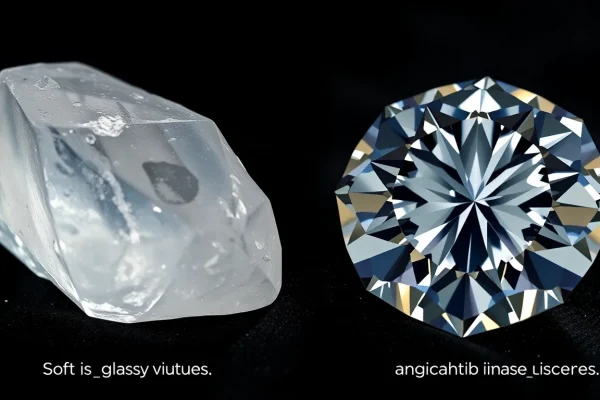
Understanding the distinction between adamantine and vitreous luster is fundamental to gemstone identification. This guide explores the physics of light reflection and provides practical methods for distinguishing these two primary luster types.

Read More →
Understanding Gemstone Fluorescence: A Guide to UV-Reactive Stones

Understanding Gemstone Fluorescence: A Guide to UV-Reactive Stones

October 21, 2026 | Gemology Basics | Joaquimma Anna

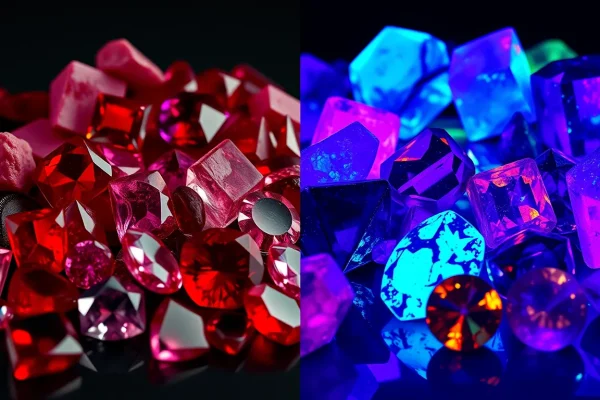
Explore the scientific phenomenon of gemstone fluorescence, where minerals absorb ultraviolet light and emit visible color. This guide explains the causes, types of UV light, and how fluorescence is used in gemstone identification.

Read More →
Triclinic Crystal System: Characteristics and Examples of Gemstones

Triclinic Crystal System: Characteristics and Examples of Gemstones

October 19, 2026 | Gemology Basics | Joaquimma Anna

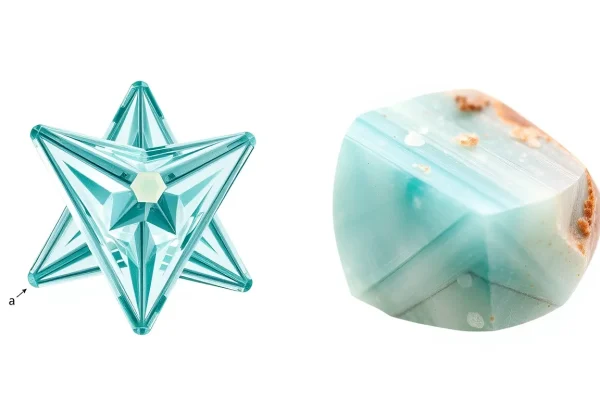
Explore the most asymmetrical of all crystal systems. This guide examines the unique geometric properties of the triclinic system and the rare gemstones that embody its structure.

Read More →
High Refractive Index Gemstones: Why Some Stones Have Exceptional Brilliance

High Refractive Index Gemstones: Why Some Stones Have Exceptional Brilliance

October 18, 2026 | Gemology Basics | Joaquimma Anna

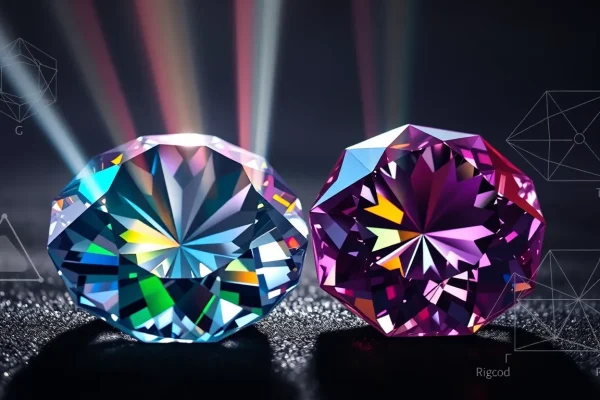
Explore the science of refractive index and how it dictates the brilliance, fire, and luster of gemstones. Learn why certain minerals sparkle more than others and how this property affects gemstone valuation.

Read More →
Copper in Gemstones: How Trace Elements Create Neon Colors

Copper in Gemstones: How Trace Elements Create Neon Colors

October 18, 2026 | Gemology Basics | Joaquimma Anna

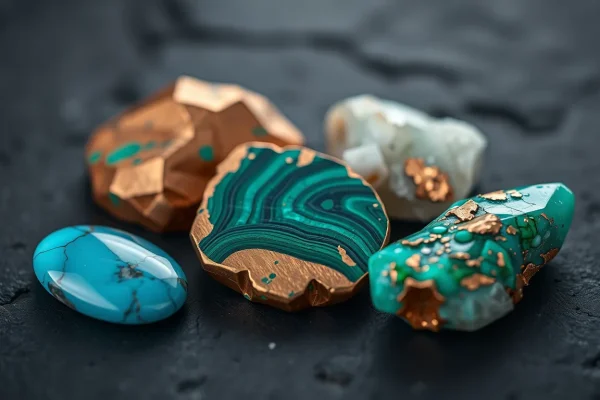
Explore the fascinating role of copper as a chromophore in the mineral kingdom. From the electric blues of turquoise to the vivid greens of malachite, discover how this transition metal transforms colorless minerals into neon masterpieces.

Read More →
Adamantine Luster: Which Gemstones Have the Highest Brilliance?

Adamantine Luster: Which Gemstones Have the Highest Brilliance?

October 15, 2026 | Gemology Basics | Joaquimma Anna

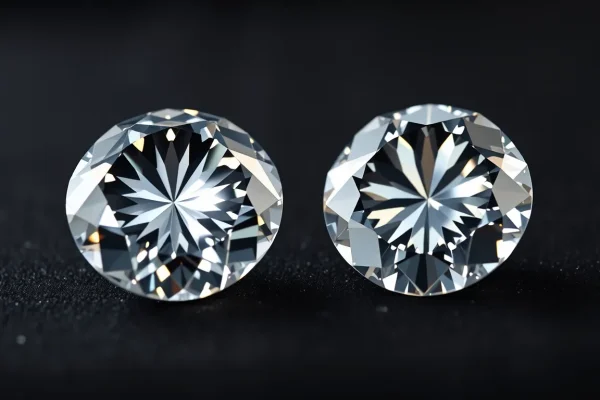
Explore the scientific nature of adamantine luster, the highest form of brilliance in the mineral world. Learn which gemstones possess this mirror-like quality and how it differs from other types of luster.

Read More →
How to Safely Identify and Handle Fibrous Minerals

How to Safely Identify and Handle Fibrous Minerals

October 14, 2026 | Gemology Basics | Joaquimma Anna

A comprehensive guide on recognizing asbestos-form minerals and other fibrous crystals. Learn the essential safety protocols for handling hazardous minerals to prevent respiratory risks.

Read More →
Understanding Basal Cleavage in Gemstones: What It Is and Why It Matters

Understanding Basal Cleavage in Gemstones: What It Is and Why It Matters

October 14, 2026 | Gemology Basics | Joaquimma Anna

Basal cleavage is a critical structural property in mineralogy where a gemstone splits along a single, primary plane. Understanding this phenomenon is essential for safe cutting, polishing, and long-term jewelry maintenance.

Read More →
How to Identify Rare Gemstones: A Guide to Certification and Provenance

How to Identify Rare Gemstones: A Guide to Certification and Provenance

October 13, 2026 | Gemology Basics | Joaquimma Anna

Identifying rare gemstones requires a rigorous combination of scientific analysis and documented history. This guide explores the essential role of gemological certification and the critical importance of provenance in establishing value and authenticity.

Read More →

Posts pagination

1 2 Next →

About This Site

Every Gemstone. Every Meaning. One Encyclopedia.

Recent Articles

  • Ultramafic Rocks and Gemstone Formation: Where Rare Minerals Originate
  • Adamantine vs Vitreous Luster: How to Identify Gemstone Brilliance
  • Skutterudite: Rare Mineral Meaning, Properties, and Care
  • Colorless Gemstones: A Comparison of Achroite, Diamond, and White Topaz
  • Wurtzite Gemstone: Properties, Meaning, and Relationship to Zincite
  • Home
  • About Us
  • Contact Us
  • Disclaimer
  • Term of Services
© 2026 Gemstone Dictionary. All rights reserved. Powered by WordPress