Moldavite – Comprehensive Gemstone Encyclopedia Entry
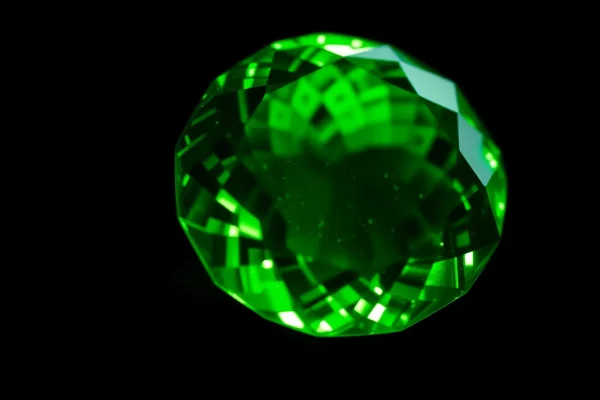
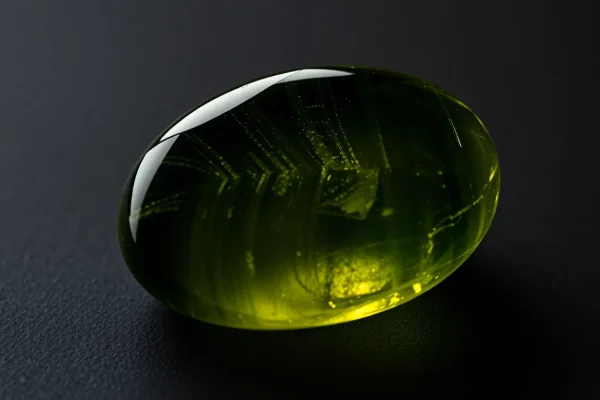
Moldavite is a rare, greenish impact glass formed by a meteorite strike in the Czech Republic, prized for its distinctive olive‑green hue and its use in jewelry and metaphysical practices.

Moldavite is a rare, greenish impact glass formed by a meteorite strike in the Czech Republic, prized for its distinctive olive‑green hue and its use in jewelry and metaphysical practices.
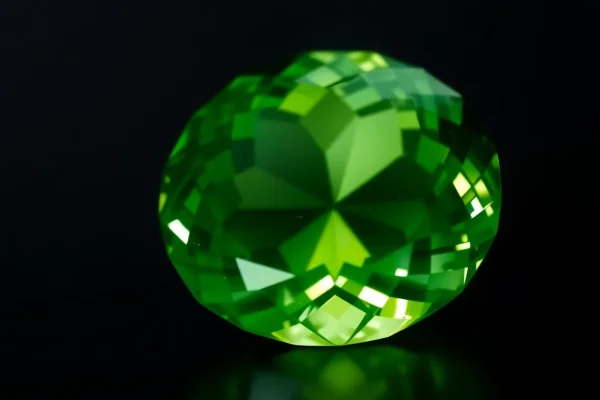
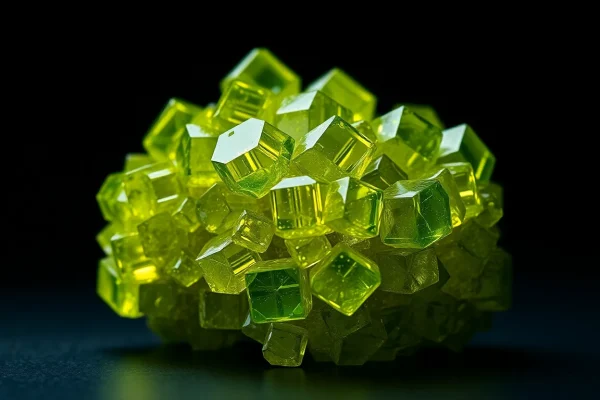
Triphane is a vivid variety of apatite celebrated for its neon greens, blues, and yellows. It is prized in jewelry for its brilliant color and is sought after by collectors interested in its unique properties and symbolism.
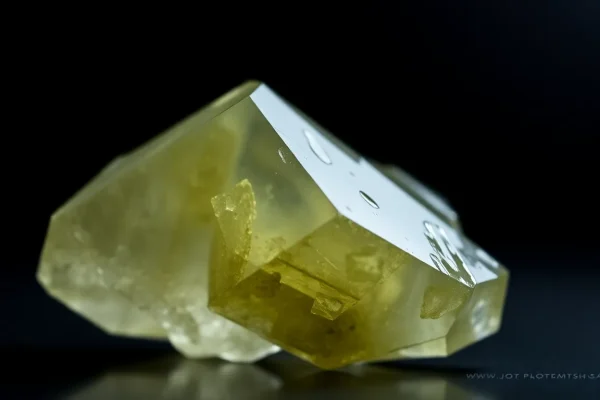
Calcite is a widely occurring carbonate mineral known for its diverse colors and perfect rhombohedral cleavage, making it popular in jewelry and crystal collections. Learn about its properties, meanings, care, and buying tips.
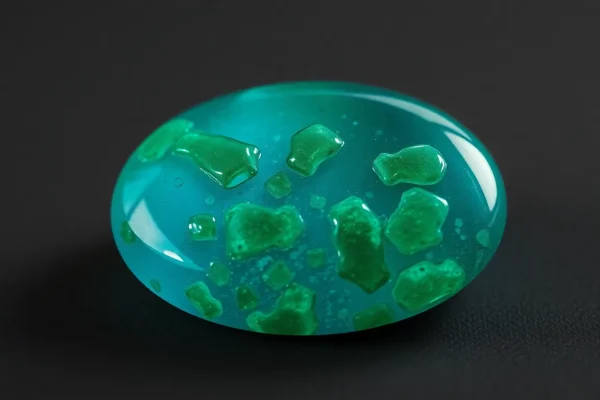
Chlorastrolite is a green to bluish‑green silicate gemstone, known for its distinctive tadpole‑shaped patterns and silky luster. Often called Lakeshore stone, it is prized in jewelry and studied for its mineral properties and traditional meanings.
Vesuvianite is a calcium‑magnesium‑iron aluminum silicate gemstone celebrated for its vibrant green, yellow, brown and occasional blue‑violet hues. Valued in fine jewelry for its 6.5–7.5 hardness, it also carries traditional meanings of growth, protection, and emotional balance, making it a popular choice for collectors.
Cornwallite is a vivid green copper arsenate mineral prized for its emerald hue, occasionally fashioned into collector jewelry, and celebrated in folklore for its grounding energy and heart‑centered symbolism, making it of interest to gem enthusiasts and metaphysical practitioners alike.
Prasiolite is a green variety of quartz, often created by heat‑treating amethyst. Its pastel to vivid green hue makes it popular in jewelry, while its durability and metaphysical lore attract collectors and crystal enthusiasts alike.
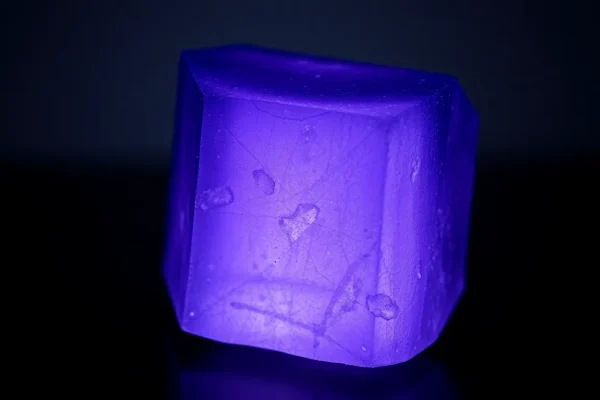
Fluorite is a calcium fluoride mineral known for its vibrant colors and characteristic fluorescence. Ranging from deep purples to bright greens and yellows, it is prized both as an industrial mineral and a decorative gemstone. Readers seeking meaning, identification tips, or jewelry guidance will find comprehensive information here.
Tinaksite is a rare sodium‑iron‑titanium silicate known for its green to brown hues, used occasionally in jewelry, and valued by collectors for its unique crystal structure.
Wurtzite is a hexagonal zinc sulfide mineral known for its yellow‑green hues and occasional use in jewelry. Readers care because it offers unique color, crystal structure, and traditional meanings of communication and clarity.