Short Answer
Among the diverse spectrum of jadeite, few varieties command as much reverence and financial value as ‘Mutton Fat’ jade. While jade is often synonymous with vibrant greens, this specific grade of white jadeite represents the pinnacle of purity and translucency, prized for centuries as a symbol of moral integrity and spiritual perfection.
What Is Mutton Fat Jade?
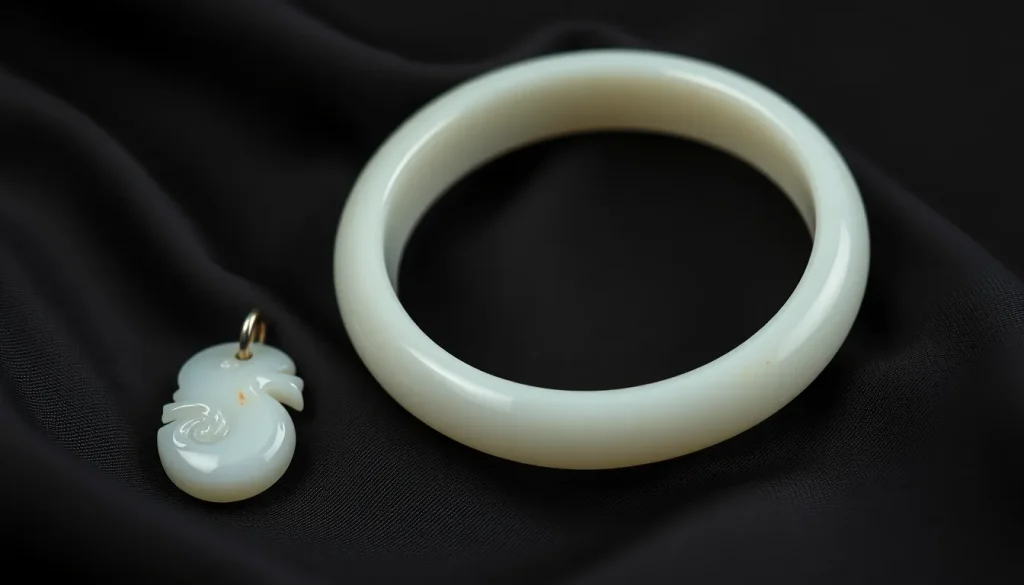
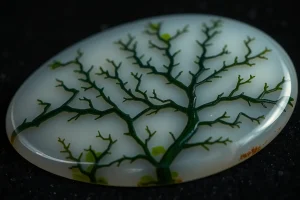
Mutton Fat Jade is a trade term used to describe the highest quality of white jadeite. It is characterized by a dense, fine-grained structure that results in a soft, creamy white color and a distinct, greasy-to-waxy luster. The name is derived from its visual resemblance to the rich, creamy fat of a sheep, which in traditional Chinese culture was seen as a mark of luxury and purity.
From a mineralogical perspective, it is a pyroxene mineral consisting of sodium aluminum silicate. Unlike common white jadeite, which may appear chalky or opaque, Mutton Fat jade possesses a unique translucency that allows light to penetrate the stone, creating an inner glow that is highly sought after by collectors.
Quality and Value Factors
The valuation of Mutton Fat jade is based on several critical gemological criteria. Because true Mutton Fat jade is exceptionally rare, even slight variations in quality can lead to significant price differences.
- Color Purity: The most valuable specimens are a pure, creamy white without any hints of grey, yellow, or blue.
- Translucency: A ‘watery’ or ‘glassy’ appearance is preferred. The more light the stone allows to pass through while maintaining its color, the higher the grade.
- Texture: The grain must be extremely fine (often referred to as ‘ice-like’). Any visible coarse grains or ‘stone-like’ patches reduce the value.
- Luster: A high-quality specimen exhibits a soft, greasy luster that feels smooth to the touch, rather than a harsh, vitreous shine.
Identification and Look-Alikes
Due to its high price, Mutton Fat jade is frequently imitated. Distinguishing genuine white jadeite from substitutes requires professional equipment and expertise.
| Material | Visual Difference | Key Identifier |
|---|---|---|
| Nephrite Jade | Often more buttery/yellowish; generally less translucent. | Different crystal structure (Amphibole vs Pyroxene). |
| White Quartz/Chalcedony | More vitreous (glassy) luster; lacks the ‘greasy’ feel. | Higher hardness; different refractive index. |
| Synthetic Jade | Too perfect; may have internal bubbles. | Microscopic analysis reveals synthetic growth patterns. |
History and Cultural Significance
In Chinese culture, jade has always been valued more highly than gold. Mutton Fat jade, in particular, is associated with the Confucian virtues of benevolence, righteousness, and wisdom. Historically, it was reserved for the imperial family and high-ranking officials.
“Jade is the essence of heaven and earth. The white of the Mutton Fat variety represents the purity of the soul and the clarity of a virtuous mind.”
During the Qing Dynasty, the obsession with white jadeite reached its peak, leading to the creation of intricate carvings and jewelry that served as status symbols of the highest order.
Jewelry Suitability and Care
Mutton Fat jade is highly durable, making it suitable for daily wear in rings, pendants, and bangles. However, its porous nature means it can be affected by chemicals.
- Cleaning: Use only lukewarm water and mild soap. Avoid ultrasonic cleaners or steam cleaning.
- Chemicals: Keep away from bleach, perfumes, and harsh acids which can dull the luster.
- Storage: Store in a soft cloth pouch to prevent scratching from harder gemstones like diamonds.
Symbolism and Modern Beliefs
In contemporary metaphysical circles, Mutton Fat jade is believed to promote emotional healing and mental clarity. It is often worn to attract peace and stability into one’s life, acting as a ‘protective shield’ against negative energy. While these beliefs are not scientific, they continue to drive the demand for the stone in the modern luxury market.
FAQ
Is Mutton Fat jade the same as white nephrite?
No. While both are white and called 'jade', Mutton Fat jade is a variety of Jadeite (pyroxene), whereas white nephrite is a different mineral species (amphibole) with different chemical properties and usually a different level of translucency.
How can I tell if my white jade is genuine Mutton Fat?
Genuine Mutton Fat jade should have a creamy, non-chalky appearance and a distinct 'greasy' luster. However, because of the prevalence of treatments and synthetics, a laboratory report from a certified gemologist is the only way to confirm its authenticity.
Why is Mutton Fat jade so expensive?
Its value stems from extreme rarity. Finding jadeite that is perfectly white, highly translucent, and free of inclusions is statistically very unlikely, making it a prized collector's item.
Leave a Reply