
Short Answer
Overview
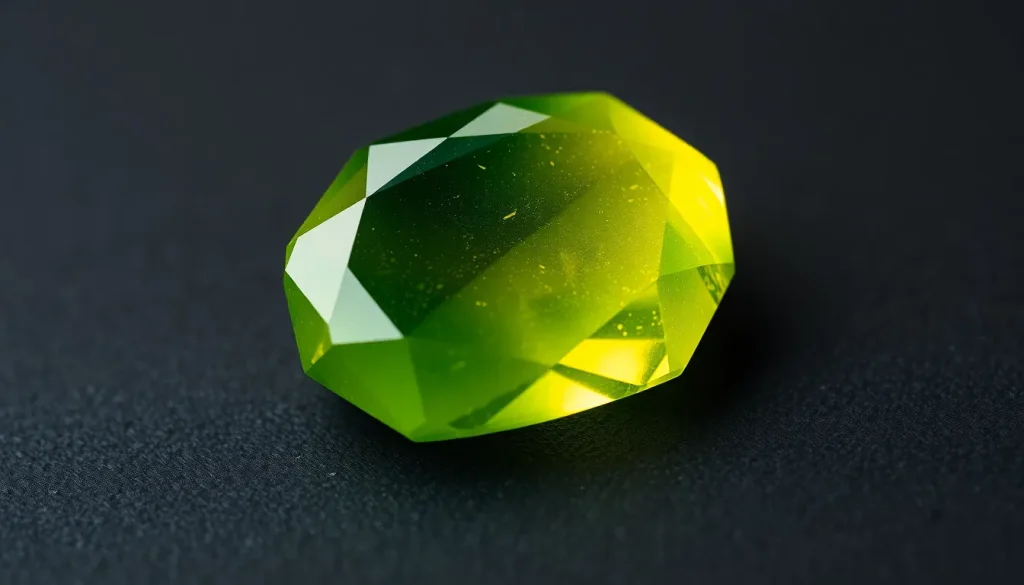
Andesine is a member of the plagioclase series of feldspar minerals, chemically represented as (Na,Ca)(Al,Si)2O6. In gemstone form it is most commonly found in shades of green, yellow‑green, or brown, and may display a subtle chatoyant, or “cat’s eye”, effect. With a Mohs hardness of 6–6.5 and a vitreous luster, it is suitable for a range of jewelry applications while offering an attractive alternative to more expensive gemstones.
History and Origin
The name “andesine” derives from the Andes mountain range, where the mineral was first described in the early 19th century. Although the original discovery was geological rather than gem‑related, the gemstone variety gained popularity in the late 20th century as cutting techniques improved and the market sought new, affordable colored stones. Today, notable deposits are found in Brazil, Madagascar, the Ural region of Russia, the United States (California), and Canada (Ontario).
Meaning and Symbolism
Traditionally, andesine is associated with renewal, growth, and emotional balance. Its green hues are said to echo the energy of nature, encouraging perseverance and a fresh perspective. In jewelry, it is often chosen to convey a sense of understated elegance and optimism.
Healing and Metaphysical Properties
In crystal‑healing circles, andesine is believed to aid the heart chakra, fostering compassion, forgiveness, and emotional healing. Practitioners claim it can help release old emotional patterns, promote confidence, and support decision‑making. These attributes are regarded as metaphysical beliefs and are not intended as medical advice.
Varieties and Types
Andesine occurs in several color varieties:
- Green Andesine – the most common, ranging from pale mint to deep forest green.
- Yellow‑Green Andesine – lighter, often with a warm, citrus‑like hue.
- Brown or Gray Andesine – less common, typically found in more remote localities.
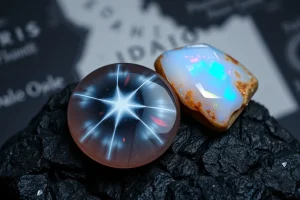
Some specimens exhibit a cat’s‑eye (chatoyant) effect when cut en cabochon, a result of parallel inclusions within the crystal lattice. Heat‑treated andesine, especially those marketed as “enhanced”, may display more vivid colors but should be disclosed to buyers.
Jewelry Uses and Care
Because of its hardness and durability, andesine is cut into faceted stones for rings, earrings, pendants, and bracelets. Cabochon cuts are popular for cat’s‑eye pieces. Care recommendations include:
- Clean with warm, soapy water and a soft brush; avoid abrasive cleaners.
- Dry with a lint‑free cloth; do not expose to prolonged ultrasonic cleaning if the stone has surface treatments.
- Store separately from harder gemstones to prevent scratches.
Andesine is resistant to most chemicals but can be affected by strong acids or alkalis, so avoid exposure to harsh cleaning agents.
Buying Guide
When selecting andesine, consider the following criteria:
- Color – Look for even, saturated green or yellow‑green tones without excessive brown or gray inclusions.
- Clarity – Minor internal fractures are common; however, large cloudiness or visible inclusions can diminish brilliance.
- Cut – Well‑proportioned facets enhance sparkle; for cat’s‑eye stones, a smooth cabochon surface is essential.
- Treatment Disclosure – Reputable dealers will specify whether the stone has been heat‑treated or otherwise enhanced.
- Certification – For high‑value pieces, a gemological laboratory report (e.g., GIA, IGI) provides assurance of authenticity.
Purchasing from a trusted source and requesting a return policy can safeguard against misrepresentation.
FAQ
What is Andesine good for?
Andesine is valued for its attractive green to yellow‑green color and durability, making it suitable for rings, pendants, and other jewelry. Traditionally, it is also believed to promote emotional balance and heart‑centered healing in crystal‑healing practices.
Is Andesine rare?
High‑quality, vivid‑green Andesine is less common than lower‑grade material, but the mineral itself is relatively abundant in several countries. Rarity increases for stones with strong cat’s‑eye effect or those that are untreated and free of visible inclusions.
How can you tell if Andesine is real?
Real Andesine displays a hardness of 6–6.5, perfect cleavage at 90°, and a refractive index in the 1.518–1.531 range. Professional gemologists use tools such as a refractometer, spectroscope, and microscopy to confirm its identity and detect any treatments.
What chakra is Andesine associated with?
In crystal‑healing traditions, Andesine is most commonly linked to the Heart (Anahata) chakra, where it is said to support love, compassion, and emotional healing.
How should you clean Andesine?
Clean Andesine with warm, mildly soapy water and a soft brush. Rinse thoroughly and pat dry with a lint‑free cloth. Avoid ultrasonic cleaners if the stone has surface treatments, and keep it away from harsh chemicals.
Leave a Reply