
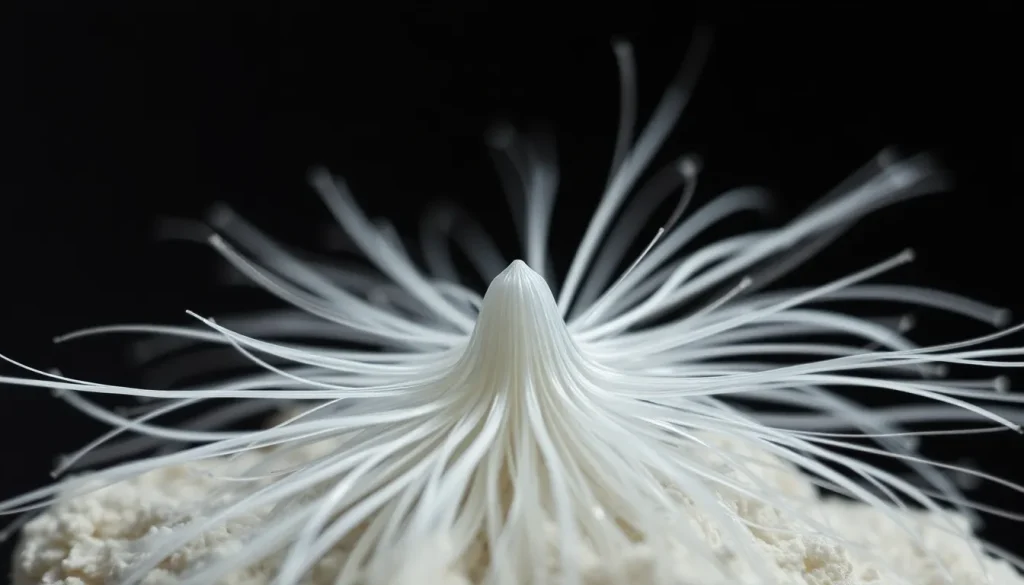
Short Answer
Overview
Asbestos refers to a group of naturally occurring fibrous silicate minerals that form long, flexible fibers. The most common asbestos minerals are chrysotile (a member of the serpentine group) and three amphibole varieties: amosite, crocidolite, and tremolite. These minerals have been valued for their heat resistance, tensile strength, and insulating properties, but they are also known for serious health hazards when inhaled.
History and Origin
Fibrous silicates have been used for millennia. Ancient Greeks described “asbestos” as “inextinguishable” because of its fire‑proof nature. Commercial mining began in the 19th century, with major deposits discovered in Canada (chrysotile), South Africa (amphibole), and the United States (both types). By the mid‑20th century asbestos was widely employed in construction, shipbuilding, and textile industries. Growing scientific evidence of respiratory diseases led to strict regulations and a sharp decline in its use worldwide.
Meaning and Symbolism
In traditional crystal lore, asbestos is sometimes associated with protection, endurance, and the ability to withstand intense pressure. Its resilient fibers symbolize inner strength and the capacity to stay “unburnt” amid challenges. Because of its hazardous nature, modern symbolism also includes a cautionary reminder to respect boundaries and avoid toxic environments.
Healing and Metaphysical Properties
Crystal‑healing practitioners claim that asbestos can absorb negative energies and provide a grounding shield. It is thought to support the Root Chakra, helping users feel secure and anchored. These beliefs are not supported by scientific evidence, and asbestos should never be used as a substitute for professional medical or psychological care.
Varieties and Types
The asbestos family includes several distinct mineral species:
- Chrysotile – the only serpentine asbestos, typically white or light gray, with a silky luster.
- Amosite – an amphibole asbestos, brown to gray, known for its needle‑like fibers.
- Crocidolite – also amphibole, deep blue to blue‑gray, the most heat‑resistant form.
- Tremolite – a rarer amphibole, usually white, sometimes occurring as a contaminant in other minerals.
Each variety shares the characteristic fibrous habit but differs in crystal structure, chemistry, and color.
Jewelry Uses and Care
Because of its health risks, asbestos is not recommended for jewelry or any wearable items. The fibers can break off and become airborne, posing inhalation hazards. Even when polished, the mineral remains brittle and prone to splintering. If a specimen is displayed, it should be sealed behind glass, handled with gloves, and stored in a well‑ventilated area.
Buying Guide
Collectors interested in asbestos specimens should prioritize safety:
- Source verification: Purchase only from reputable mineral dealers who provide documentation of proper handling and packaging.
- Encapsulation: Look for specimens that are sealed in acrylic or glass cases to prevent fiber release.
- Certification: Request a mineralogical analysis (e.g., X‑ray diffraction) to confirm the specific asbestos type.
- Legal considerations: Some jurisdictions restrict the sale of asbestos; verify local regulations before buying.
Never attempt to clean or modify raw asbestos fibers. Professional labs can perform safe cleaning if required for scientific study.
FAQ
What is asbestos good for?
Asbestos has historically been valued for its heat resistance, tensile strength, and insulating properties. In crystal lore it is associated with protection and grounding, but these metaphysical claims are not scientifically verified.
Is asbestos rare?
High‑quality, well‑preserved asbestos specimens are relatively uncommon due to restrictions on mining and handling. Natural deposits exist in several countries, but many are no longer actively mined.
How can you tell if asbestos is real?
Professional identification uses microscopy, X‑ray diffraction, and chemical analysis. Because of health risks, do not attempt to test raw fibers at home; always consult a qualified mineralogist.
What chakra is asbestos associated with?
Traditional crystal‑healing sources link asbestos to the Root Chakra, reflecting its reputed grounding and protective qualities.
How should you clean asbestos?
Do not clean raw asbestos fibers. If the specimen is sealed in a display case, gently dust the case exterior with a soft brush. For any direct handling, wear gloves and a mask, or leave cleaning to a professional conservator.
Leave a Reply