
Short Answer
Overview
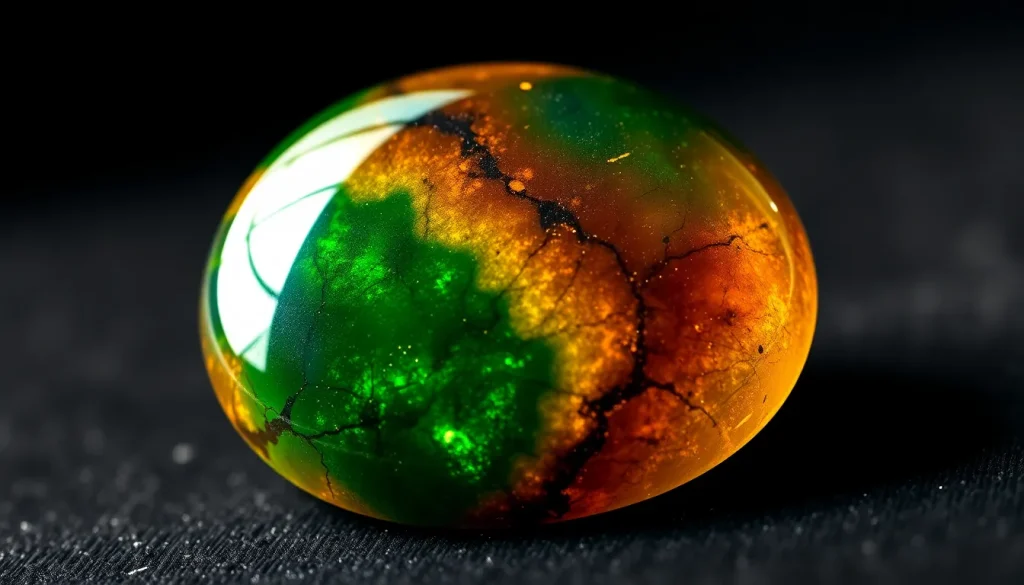
Andalusite is a nesosilicate mineral prized for its distinctive pleochroic colors and occasional color‑change (schiller) effect. With a Mohs hardness of 6.5–7, it is suitable for a range of jewelry pieces while offering a unique visual appeal that changes with orientation.
History and Origin
First described in 1810 from the Andalusian region of Spain, the name “andalusite” reflects its type locality. Historically, it was used as a decorative stone in European jewelry during the 19th century, and later gained popularity among collectors for its strong pleochroism. Natural deposits are found in metamorphic rocks where aluminum‑rich sediments have been subjected to varying temperatures and pressures.
Meaning and Symbolism
In traditional gemstone lore, andalusite is said to represent adaptability and personal growth. Its ability to display different colors from different angles is interpreted as a symbol of flexibility and the capacity to see multiple perspectives.
Healing and Metaphysical Properties
Crystal‑healing practitioners attribute andalusite with qualities that promote emotional balance and self‑confidence. It is believed to aid in decision‑making, encourage optimism, and support the heart’s emotional expression. These claims are part of traditional belief systems and are not medical advice.
Varieties and Types
- Color‑change (schiller) andalusite: Exhibits a noticeable shift from greenish‑brown to reddish‑brown or gold as the stone is rotated.
- Pleochroic andalusite: Shows distinct colors when viewed from different crystallographic directions, commonly green, brown, and yellow.
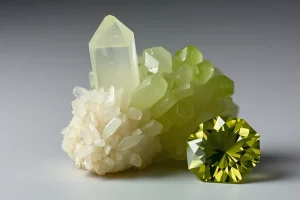
- Clear (colourless) andalusite: Rare, transparent specimens used for delicate jewelry.
Jewelry Uses and Care
Because of its hardness and attractive optical effects, andalusite is set in rings, pendants, earrings, and brooches. It should be protected from hard impacts that could split the perfect cleavage planes. Routine cleaning can be performed with warm, soapy water and a soft brush; avoid ultrasonic cleaners for heavily treated pieces.
Buying Guide
When selecting andalusite, consider the following:
- Color and pleochroism: High‑quality stones display vivid, distinct colors that change noticeably with orientation.
- Clarity: Inclusions are common; a clean interior enhances brilliance.
- Cut: Well‑cut cabochons or faceted stones maximize the stone’s optical play.
- Treatment disclosure: Some stones are heat‑treated to enhance color; reputable sellers will disclose any treatments.
- Certification: For expensive pieces, request a GIA or reputable gemological laboratory report.
FAQ
What is andalusite good for?
Andalusite is valued for its striking pleochroic and color‑change effects in jewelry, and traditionally believed to support emotional balance and adaptability. It is also used by collectors for its rarity in high‑quality, vivid specimens.
Is andalusite rare?
High‑quality, vivid andalusite is relatively rare, especially stones that display strong color change. Common varieties are more abundant, but fine‑cut, clear or intensely pleochroic pieces are less common and can command higher prices.
How can you tell if andalusite is real?
Real andalusite shows pleochroism under a hand lens or by rotating the stone, and has a Mohs hardness of 6.5–7. Look for a vitreous to pearly luster and a white streak. Professional gemological testing, such as refractive index measurement, confirms authenticity.
What chakra is andalusite associated with?
In crystal‑healing traditions, andalusite is most commonly linked to the Heart (Anahata) chakra, where it is said to encourage emotional openness and balance.
How should you clean andalusite?
Clean andalusite with warm, mildly soapy water and a soft brush. Rinse thoroughly and pat dry with a lint‑free cloth. Avoid ultrasonic cleaners and harsh chemicals, especially on treated stones, to prevent damage to its surface or cleavage.
Leave a Reply