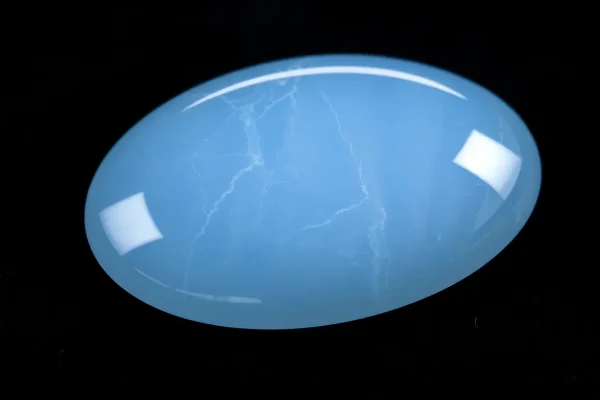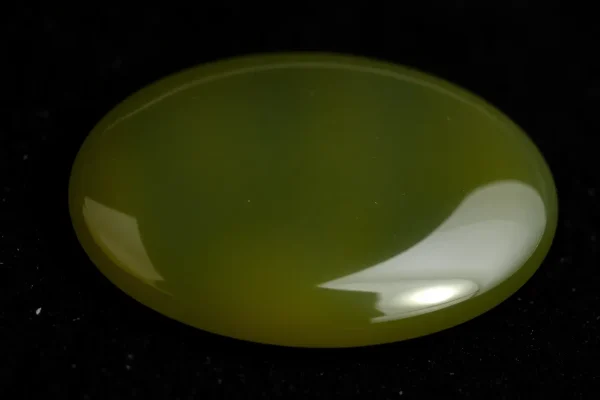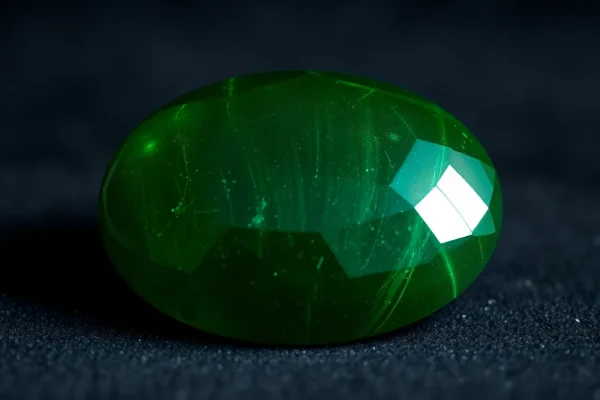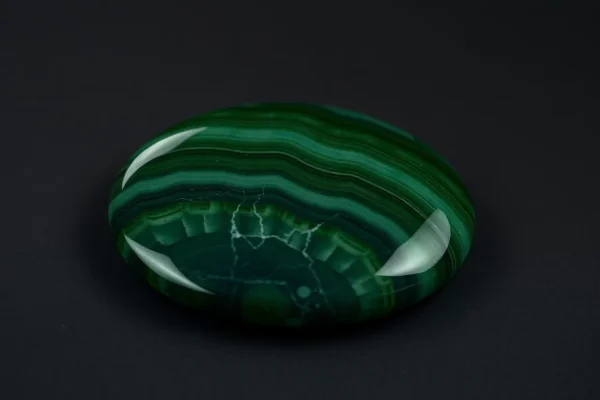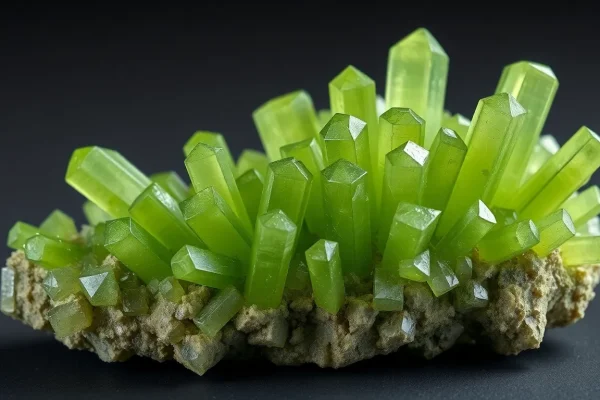
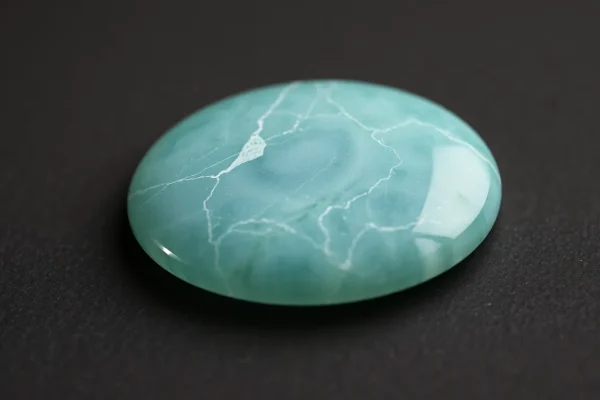
Chrome Chalcedony – Meaning, Properties & Care
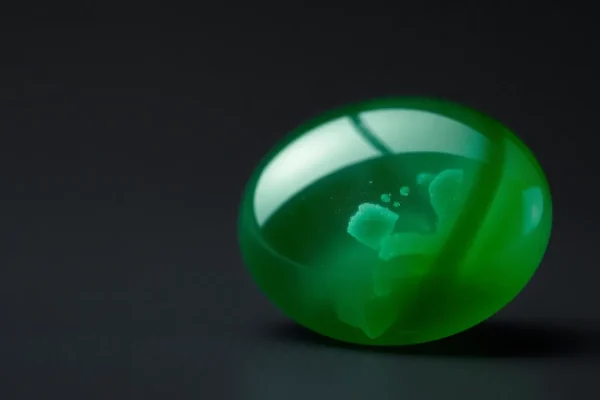
Chrome chalcedony is a green, metallic‑sheened variety of chalcedony prized for its rich hue and use in jewelry. Readers learn about its mineral traits, symbolic meanings, and practical care tips.
Every Gemstone. Every Meaning. One Encyclopedia.
Chrome chalcedony is a green, metallic‑sheened variety of chalcedony prized for its rich hue and use in jewelry. Readers learn about its mineral traits, symbolic meanings, and practical care tips.
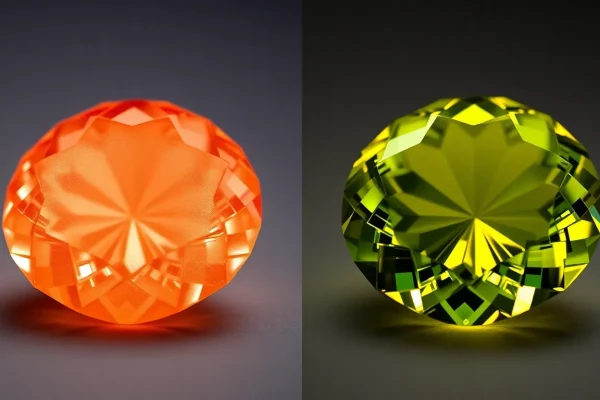
Ceylonite is a green to yellow variety of the mineral zoisite, prized for its vibrant color and clarity. It is used in fine jewelry and valued by collectors for its distinctive hue and historic ties to Sri Lanka.
Serpentine is a group of green to gray silicate minerals prized for their smooth, waxy luster and historic use as ornamental stone. Often called serpentine jade or bowenite, it is valued in jewelry and metaphysical traditions for its calming energy and distinctive appearance.
Epidote is a calcium‑aluminum silicate gemstone known for its vivid green to yellow‑green hues and distinctive crystal habit. It is prized for jewelry, collector pieces, and its traditional symbolism of growth and protection, making it a stone of interest for both gemologists and metaphysical enthusiasts.
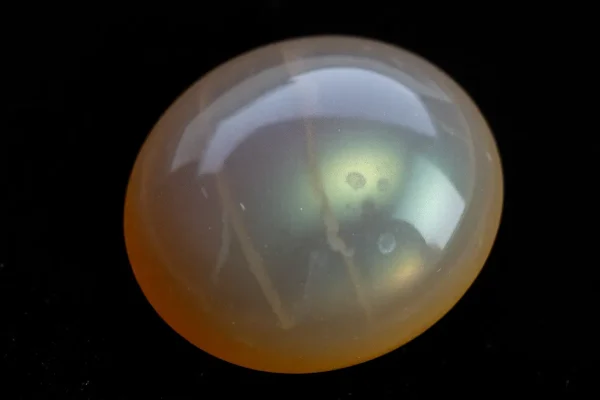
Childrenite is a phosphate gemstone prized for its soft yellow to brown hues, occasional pink or green shades, and its use in cabochon jewelry. Readers care because it offers unique visual appeal, distinct physical properties, and a range of traditional meanings.
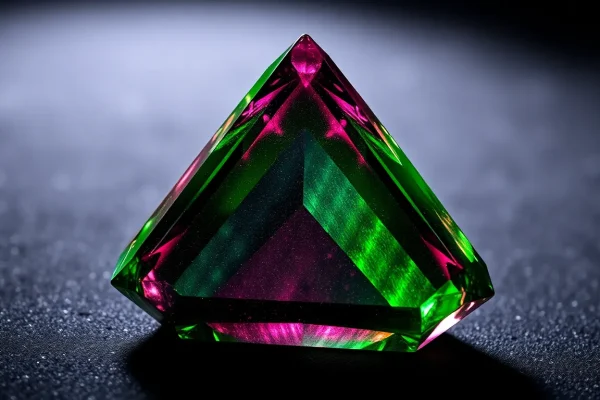
Hiddenite is a vivid green variety of the mineral spodumene, prized for its striking color and rarity in fine jewelry. Discovered in North Carolina, this gemstone combines strong hardness with strong pleochroism, making it a favorite among collectors and those seeking its traditional heart‑chakra symbolism.
Beryl is a hexagonal cyclosilicate gemstone group known for its wide color spectrum, including emerald green and aquamarine blue, prized in jewelry and valued for its metaphysical associations and durable nature.
Chrysocolla is a hydrous copper silicate gemstone known for its vivid blue‑green to turquoise hues. It is prized in jewelry and metaphysical circles for its calming symbolism, and readers often seek guidance on identification, care, and buying tips.
Siderite is an iron carbonate mineral known for its earthy yellow, brown, green, or gray hues. Valued both as a collector’s stone and occasional jewelry component, it offers unique visual appeal and traditional meanings that attract gem enthusiasts and metaphysical practitioners alike.
Biotite is a dark, iron‑magnesium mica known for its perfect basal cleavage and earthy black‑brown colors, used occasionally in ornamental jewelry and valued for its grounding symbolism.