
Short Answer
Overview
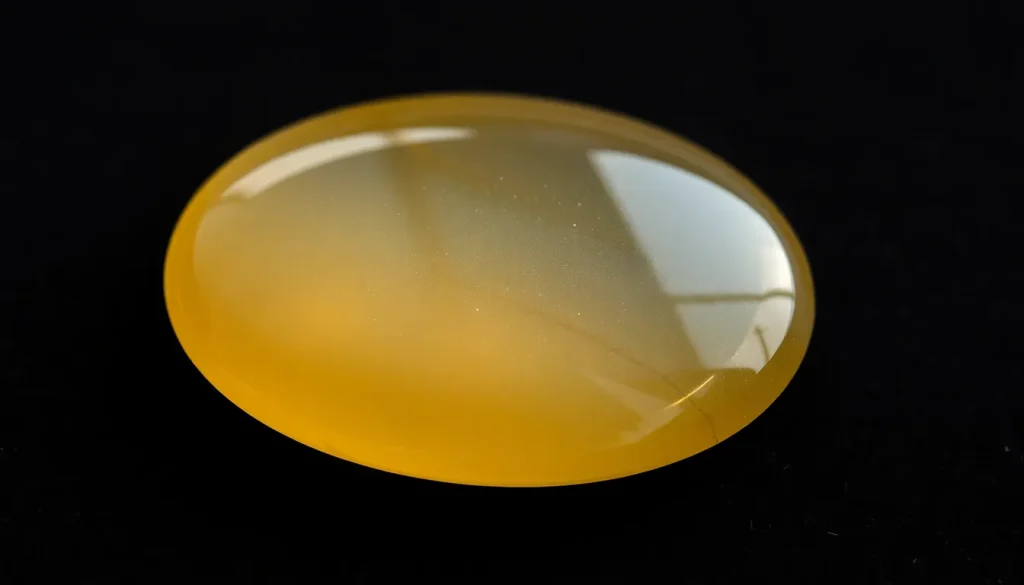
Childrenite is a relatively rare phosphate mineral that is sometimes used as a gemstone. It belongs to the amblygonite‑childrenite series and is composed principally of iron‑ or manganese‑bearing aluminium phosphate. Crystals are typically orthorhombic, displaying a vitreous to pearly luster and a range of colors from yellow and brown to pink, green, or nearly colorless. Because of its perfect cleavage and modest hardness, childrenite is most often fashioned into cabochons rather than faceted stones.
History and Origin
The mineral was first identified in 1845 in the Falun district of Sweden and named in honor of the English mineralogist William Child, who contributed to early studies of phosphate minerals. Significant localities have since been documented in the United States (notably California and Arizona), Brazil, Madagascar, and Sri Lanka. The name “childrenite” is sometimes confused with “amblygonite,” its calcium‑rich counterpart; the two form a solid‑solution series distinguished by the presence of Fe‑Mn versus Ca.
Meaning and Symbolism
In traditional gemstone lore, childrenite is associated with emotional balance and the nurturing of inner childlike wonder. It is said to encourage patience, calm decision‑making, and the gentle release of past hurts. The stone’s earthy tones are thought to ground the wearer while its subtle iridescence symbolizes personal growth.
Healing and Metaphysical Properties
Crystal‑healing practitioners describe childrenite as a stone that supports the heart chakra, helping to open pathways for compassion and forgiveness. It is believed to aid in the processing of grief, promote mental clarity, and assist in the integration of new ideas. These attributes are considered spiritual or symbolic and are not a substitute for professional medical advice.
Varieties and Types
Childrenite occurs in several color varieties, each reflecting differing trace element compositions:
- Yellow to brown – the most common, caused by higher iron content.
- Pink – manganese‑rich specimens exhibit a delicate rose hue.
- Green – trace amounts of chromium or vanadium impart a subtle green tint.
- Colourless – rare, highly sought after for their clarity.
All varieties share the same crystal system and cleavage characteristics, but the intensity of colour can influence their desirability in jewelry.
Jewelry Uses and Care
Because childrenite has a Mohs hardness of 5–5.5 and perfect cleavage on {010}, it is best suited for settings that protect the stone, such as bezel or pendant mounts. Cabochon cuts highlight its colour without stressing the cleavage planes. When cleaning, use warm, soapy water and a soft brush; avoid ultrasonic cleaners and harsh chemicals, which can damage the surface or exacerbate cleavage.
Buying Guide
When purchasing childrenite, consider the following factors:
- Color intensity – vivid, evenly distributed hues are more valuable.
- Clarity – internal fractures or inclusions can weaken the stone.
- Cut quality – a well‑executed cabochon will protect the cleavage and showcase the colour.
- Origin – provenance from well‑documented localities (e.g., Sweden, Brazil) can add credibility.
- Treatment disclosure – reputable dealers will disclose any heat or dye treatments.
For high‑value pieces, request a gemological report from a recognized laboratory. This ensures authenticity and provides detailed property measurements.
FAQ
What is childrenite good for?
Childrenite is valued for its gentle yellow‑brown coloration in jewelry and is traditionally believed to promote emotional balance and compassion, while its physical properties make it suitable for cabochon settings.
Is childrenite rare?
High‑quality, vivid‑colored childrenite is relatively rare because sizable, clear crystals are uncommon and the stone’s perfect cleavage limits its use in faceted jewelry.
How can you tell if childrenite is real?
Real childrenite typically exhibits a Mohs hardness of 5‑5.5, perfect cleavage, and a specific gravity around 3.1‑3.2. A professional gemologist can confirm authenticity with refractive index measurements and spectroscopy.
What chakra is childrenite associated with?
In crystal‑healing traditions, childrenite is most often linked to the Heart (Anahata) chakra, supporting love, forgiveness, and emotional healing.
How should you clean childrenite?
Clean childrenite gently with warm soapy water and a soft brush. Avoid ultrasonic cleaners, steam, and harsh chemicals, as the stone’s low hardness and perfect cleavage make it vulnerable to damage.
Leave a Reply