
Short Answer
Overview
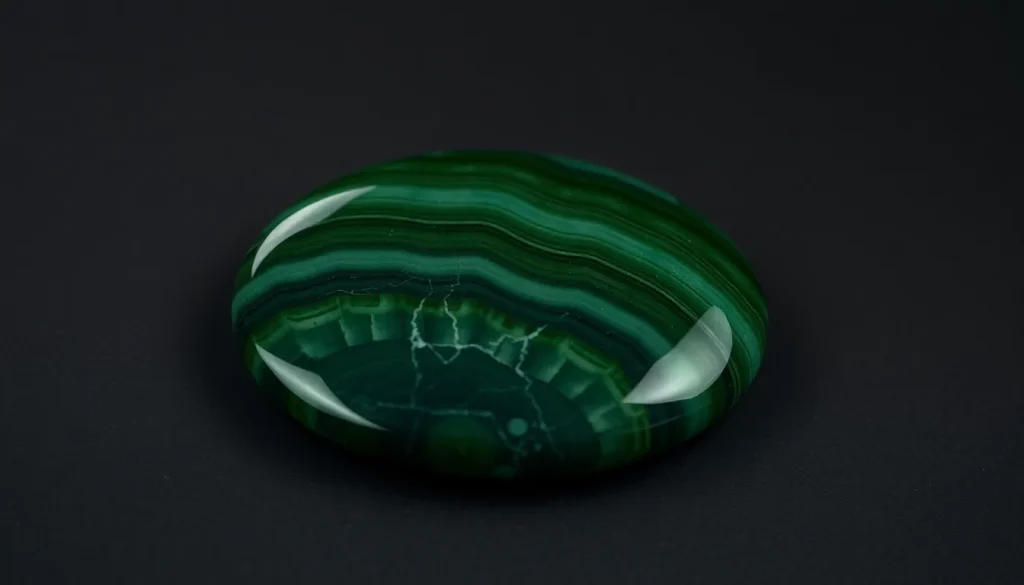
The serpentine subgroup comprises a family of phyllosilicate minerals that share a common layered crystal structure and a characteristic waxy to pearly luster. The name derives from the stone’s often smooth, green‑tinged appearance that resembles the skin of a serpent. While many serpentine specimens are used as ornamental carvings, certain varieties—most notably bowenite—are cut as gemstones for rings, pendants, and beads.
History and Origin
Serpentine has been used by humans for thousands of years. Archaeological finds show that prehistoric peoples in Europe and the Near East carved serpentine into seals, figurines, and tools. In ancient China, the stone was prized as a substitute for jade and was incorporated into ceremonial objects. During the 19th century, European lapidaries began marketing high‑quality serpentine as “serpentine jade,” a name that persists in the trade today.
Meaning and Symbolism
Traditional folklore attributes serpentine with qualities of renewal, flexibility, and grounding. Its green hues are linked to growth and the natural world, while the stone’s softness is said to encourage adaptability and emotional balance. In many cultures, serpentine is given as a talisman for protection during travel and for fostering harmonious relationships.
Healing and Metaphysical Properties
Crystal‑healing practitioners describe serpentine as a stone that promotes emotional healing and reduces stress. It is believed to clear mental confusion, enhance personal insight, and support the heart’s energetic field. Users often place serpentine in meditation spaces or wear it as jewelry to “ground” fluctuating emotions. These claims are based on tradition and are not a substitute for professional medical advice.
Varieties and Types
The serpentine subgroup includes several mineral species, each with subtle differences in composition and appearance:
- Antigorite – Typically dark green to black, with a fibrous habit and a higher magnesium content.
- Lizardite – Pale green to yellow‑green, often forming compact, massive nodules.
- Chrysotile – The mineral form of white asbestos; rarely used as a gemstone because of health concerns.
- Bowenite – A fine‑grained, translucent green variety prized for carving and cabochon work.
Commercially, the term “serpentine jade” may refer to any polished serpentine that resembles true jadeite or nephrite, though it is a distinct mineral group.
Jewelry Uses and Care
Serpentine’s relatively low hardness (2.5–4.5 on the Mohs scale) limits its use to pieces that are not subject to heavy wear. It is popular for earrings, pendants, and decorative beads where its vibrant green color can be displayed without excessive abrasion. Because serpentine can be porous, it may benefit from a protective sealant when set in high‑impact jewelry.
Cleaning: Use a soft, damp cloth and mild soap. Avoid ultrasonic cleaners, steam, or harsh chemicals, which can damage the surface or leach dyes from treated specimens.
Storage: Keep serpentine separate from harder gemstones such as quartz or diamonds to prevent scratching. Store in a padded pouch or a fabric‑lined drawer.
Buying Guide
When selecting serpentine, consider the following factors:
- Color Saturation: Deep, even greens are generally more valuable than mottled or pale shades.
- Clarity and Surface: Look for a smooth, polished finish with minimal cracks or inclusions.
- Treatment Disclosure: Some serpentine is dyed or impregnated with resin to enhance color or durability. Reputable dealers will disclose any treatments.
- Origin: High‑quality bowenite from the United States (California) and Madagascar is especially sought after.
- Certification: For larger or high‑value pieces, request a gemological report that confirms the mineral species and any treatments.
Because serpentine is relatively abundant, price is usually modest, but exceptional specimens—especially large, translucent bowenite—can command premium prices.
FAQ
What is serpentine good for?
Serpentine is used in jewelry, ornamental carvings, and as a decorative stone. Traditionally it is believed to promote emotional balance, grounding, and flexibility, though these attributes are not scientifically verified.
Is serpentine rare?
Serpentine is relatively common, but high‑quality, translucent bowenite or large, uniform pieces are less abundant and can be considered rare in the gem market.
How can you tell if serpentine is real?
Real serpentine feels cool, has a waxy to pearly luster, and displays a characteristic green to gray color. A simple hardness test (it scratches easily) and checking for dye or resin treatments can help, but professional gemological analysis provides certainty.
What chakra is serpentine associated with?
In crystal‑healing traditions, serpentine is most often linked to the Heart (Anahata) chakra, supporting love, compassion, and emotional grounding.
How should you clean serpentine?
Clean serpentine with a soft, damp cloth and mild soap. Avoid ultrasonic cleaners, steam, harsh chemicals, and prolonged exposure to water, as the stone can be porous and may be affected by treatments.
Leave a Reply