
Short Answer
Overview
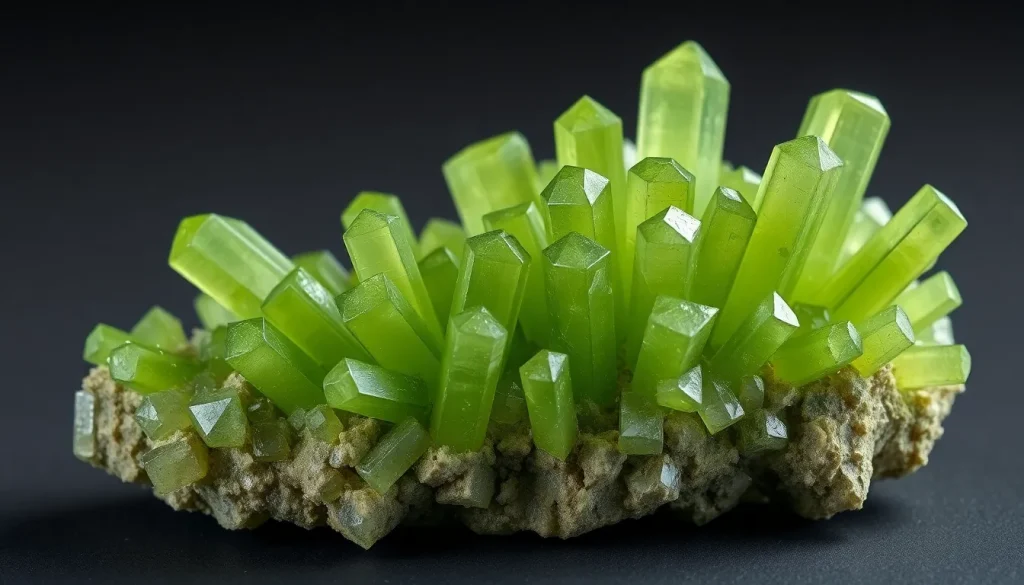
Epidote is a calcium‑aluminum sorosilicate mineral that frequently forms elongated, prismatic crystals with a characteristic pistachio‑green color. Its chemical formula is Ca₂(Al,Fe)₃(SiO₄)₃(OH). In the gem trade, epidote is valued for its attractive hue, vitreous luster, and relative durability, allowing it to be cut into cabochons, faceted stones, and ornamental carvings.
History and Origin
The name “epidote” derives from the Greek epidosis, meaning “addition,” a reference to its formation as a secondary mineral in metamorphic environments. Historically, epidote was first described in the early 19th century from specimens in the Austrian Alps. It occurs worldwide in regions of medium‑grade metamorphism and hydrothermal alteration, often associated with minerals such as garnet, mica, and quartz.
Meaning and Symbolism
Traditional lore associates epidote with personal growth, renewal, and emotional balance. Its green color is linked to the heart’s capacity for compassion, encouraging the wearer to nurture relationships and foster inner harmony. In some cultural contexts, epidote is thought to aid in decision‑making and to bring a sense of calm during periods of change.
Healing and Metaphysical Properties
Within crystal‑healing belief systems, epidote is said to support the heart chakra, promoting emotional healing and forgiveness. Practitioners claim it can help release past trauma, reinforce self‑confidence, and stimulate the body’s natural detoxification processes. These properties are not medically proven and should not replace professional health advice.
Varieties and Types
Several varieties of epidote are recognized by collectors:
- Pistachio Epidote – bright, yellow‑green crystals reminiscent of pistachio nuts.
- Black Epidote – contains higher iron content, giving a deep brownish‑green to nearly black appearance.
- Albite‑Epidote – intergrown with albite, creating a speckled or banded look.
All varieties share the same basic chemical structure but differ in trace element composition, which influences color intensity and clarity.
Jewelry Uses and Care
Epidote’s hardness of 6–7 on the Mohs scale makes it suitable for many jewelry applications, though it is advisable to avoid harsh impact settings. Common uses include:
- Faceted gemstones in rings and pendants.
- Cabochons for earrings and brooches.
- Beads and carved intaglios for artisanal pieces.
Because epidote can display perfect cleavage in one direction, care should be taken to protect it from sudden blows. Routine cleaning with a soft, lint‑free cloth and mild soap solution is sufficient. Avoid ultrasonic cleaners and steam, which may exacerbate cleavage or affect any surface treatments.
Buying Guide
When selecting epidote, consider the following factors:
- Color: Vibrant, evenly distributed green is most desirable; avoid stones with excessive brown or gray zoning.
- Clarity: Inclusions are common but should not dominate the visual field. Transparent to translucent stones with minor internal fractures are acceptable.
- Cut: Well‑proportioned facets enhance color play; cabochons can mask minor inclusions.
- Treatment: Natural epidote is rarely treated, but some stones may be stabilized with resin. Request certification if you need confirmation.
- Certification: Reputable labs such as GIA or IGI can provide gem‑identification reports, especially for high‑value pieces.
Price varies widely based on color intensity, size, and source. While epidote is generally more affordable than many precious gemstones, exceptional specimens from renowned localities can command premium prices.
FAQ
What is epidote good for?
Epidote is valued for jewelry due to its attractive green color and moderate hardness, and it is traditionally believed to support emotional balance and personal growth.
Is epidote rare?
Epidote is not exceptionally rare; it is relatively common in metamorphic rocks, but high‑quality, vivid green specimens are less abundant and can be more valuable.
How can you tell if epidote is real?
Real epidote exhibits a characteristic green hue, vitreous luster, and perfect cleavage in one direction. Testing its hardness (6–7 on Mohs) and refractive index (1.73–1.78) helps, but a professional gemological lab can provide definitive identification.
What chakra is epidote associated with?
In crystal‑healing traditions, epidote is linked to the Heart chakra, where it is said to promote love, forgiveness, and emotional healing.
How should you clean epidote?
Clean epidote with warm, soapy water and a soft brush or cloth. Rinse thoroughly and pat dry. Avoid ultrasonic cleaners, steam, or harsh chemicals, as they may damage the stone’s cleavage or any applied treatments.
Leave a Reply