
Short Answer
Overview
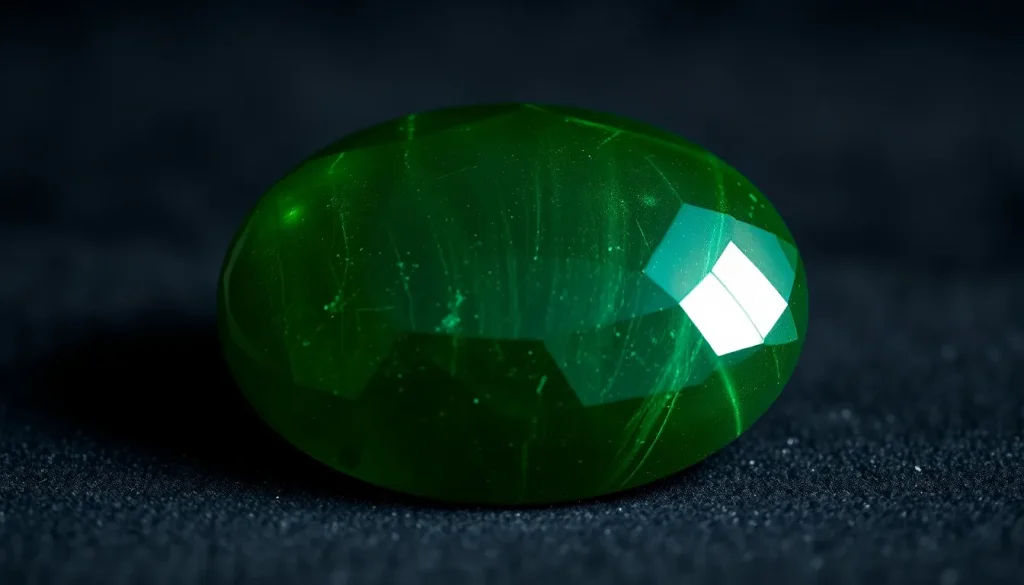
Ceylonite is a gemstone variety of the mineral zoisite, a calcium‑aluminum hydroxy sorosilicate belonging to the epidote group. It is most noted for its vivid green to yellow‑brown hues, though colorless and pinkish specimens also occur. The stone exhibits a vitreous luster, good transparency, and a hardness that makes it suitable for many types of jewelry.
History and Origin
The name “Ceylonite” derives from Ceylon, the former name of Sri Lanka, where early trade specimens were first documented in the 19th century. Since then, high‑quality material has been sourced from Tanzania, Kenya, Madagascar, and limited localities in the United States (California). Historically, Ceylonite was used as a decorative stone in inlay work and, more recently, has become a popular choice for cabochon and faceted jewelry.
Meaning and Symbolism
In traditional gemstone lore, Ceylonite is associated with growth, renewal, and the heart’s emotional balance. It is said to inspire optimism, encourage new beginnings, and support personal transformation. The stone’s green shades link it symbolically to nature, fertility, and abundance.
Healing and Metaphysical Properties
Crystal‑healing practitioners attribute the following properties to Ceylonite, described as belief rather than medical fact:
- Heart chakra alignment: Promotes emotional openness and compassion.
- Energy renewal: Said to clear stagnant energy and stimulate personal growth.
- Physical wellness: Traditionally believed to support the circulatory system and aid in detoxification.
These claims are part of cultural tradition and should not replace professional health advice.
Varieties and Types
While “Ceylonite” is a trade name, the stone is essentially zoisite of varying chemical composition and color. Common distinctions include:
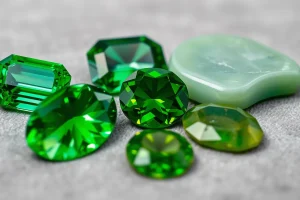
- Green Ceylonite – the most sought‑after hue, ranging from bright emerald to deep forest green.
- Yellow/Brown Ceylonite – warm honey‑gold to chocolate tones, often found in Tanzanian deposits.
- Colorless or Pale Ceylonite – less common, valued for its clarity rather than color.
Occasionally, heat treatment is applied to enhance or stabilize color, a practice accepted in the gemstone market when disclosed.
Jewelry Uses and Care
Ceylonite’s hardness (6.5–7 on the Mohs scale) makes it suitable for rings, pendants, earrings, and brooches. Cabochon cuts showcase its color, while faceting highlights its brilliance. Care recommendations:
- Avoid prolonged exposure to harsh chemicals, acids, or chlorine.
- Clean with warm, soapy water and a soft brush; a microfiber cloth can be used to dry.
- Store separately from harder gemstones (e.g., quartz, sapphire) to prevent scratching.
- If the stone has been heat‑treated, handle with extra care to avoid sudden temperature changes.
Buying Guide
When selecting Ceylonite, consider the following factors:
- Color intensity: Deep, even green is most valuable; uneven zoning may lower price.
- Clarity: Inclusions are common; a clean eye‑clean specimen is preferred for faceted pieces.
- Cut: Well‑proportioned cuts maximize brilliance and color display.
- Treatment disclosure: Reputable dealers will state whether the stone has undergone heat treatment or other enhancements.
- Certification: For larger stones, a gemological report from GIA or a similar laboratory adds confidence.
Pricing varies widely based on color, size, and origin; compare multiple sources and request detailed provenance when possible.
FAQ
What is Ceylonite good for?
Ceylonite is prized for its vibrant green to yellow colors, making it popular in rings, pendants, and earrings. Traditionally, it is also used in crystal healing to promote emotional balance and heart‑chakra alignment.
Is Ceylonite rare?
High‑quality green Ceylonite is relatively scarce, especially when free of visible inclusions. Medium‑grade material is more common from Tanzanian and Kenyan mines, while heat‑treated stones increase market availability.
How can you tell if Ceylonite is real?
Real Ceylonite displays a hardness of 6.5–7, a vitreous luster, and characteristic cleavage. A professional gemologist can confirm identity using refractive index, specific gravity, and spectroscopic analysis.
What chakra is Ceylonite associated with?
In crystal‑healing traditions, Ceylonite is linked to the Heart (Anahata) chakra, where it is believed to foster love, compassion, and emotional openness.
How should you clean Ceylonite?
Clean Ceylonite with warm, mildly soapy water and a soft brush. Rinse thoroughly and pat dry with a microfiber cloth. Avoid ultrasonic cleaners and harsh chemicals, especially if the stone has been heat‑treated.
Leave a Reply