
Short Answer
Overview
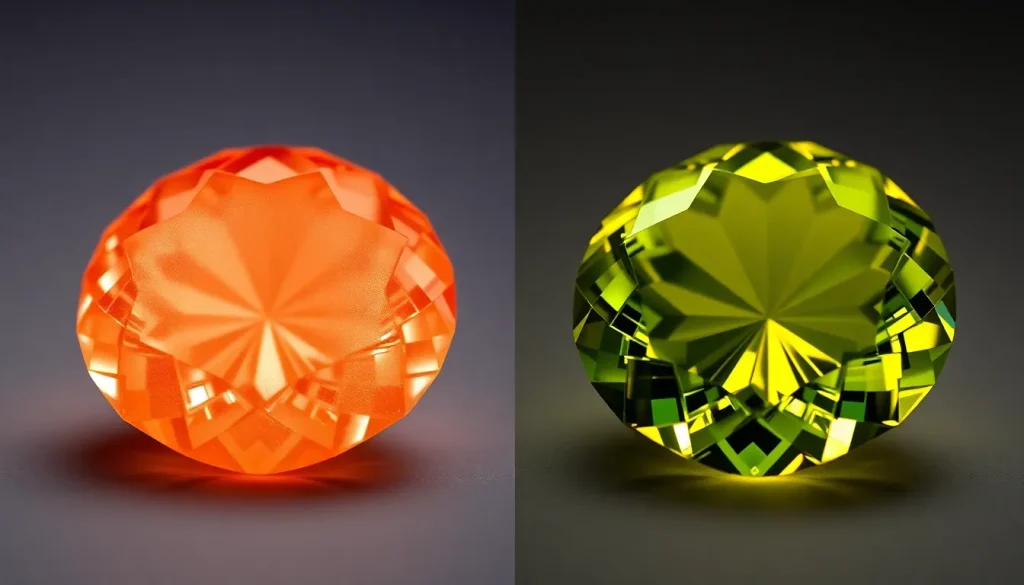
Zultanite is the trade name for a remarkable color‑change variety of the mineral zoisite (chemical formula Ca2Al3(SiO4)(OH)). In daylight it displays a warm peach‑pink to salmon hue, while under incandescent or candlelight it transforms to a fresh greenish‑yellow or kiwi‑tone. This optical phenomenon, known as the pleochroic or color‑change effect, is caused by the stone’s crystal structure interacting with different light spectra.
History and Origin
Zultanite was first identified in the early 2000s in the Marmara region of southwestern Turkey, specifically in the province of Muğla. Turkish gem dealers coined the name “Zultanite” to highlight its regal, shifting colors. Since its discovery, the stone has been mined in limited quantities, and most gem‑quality material comes from this Turkish locality. While other color‑change zoisite specimens have been reported from Madagascar and Kenya, the Turkish stones remain the most widely marketed.
Meaning and Symbolism
Traditionally, Zultanite is associated with transformation, adaptability, and emotional balance. Its ability to change color is seen as a metaphor for personal growth and the fluid nature of feelings. In jewelry, it is often chosen to symbolize love that evolves over time and the capacity to see different perspectives.
Healing and Metaphysical Properties
In crystal‑healing circles, Zultanite is believed to support the Heart Chakra, encouraging emotional openness, compassion, and self‑acceptance. Practitioners claim it can aid in releasing past emotional wounds, fostering forgiveness, and enhancing intuition. These attributes are described as traditional beliefs and are not intended as medical advice.
Varieties and Types
The primary variety is the natural, untreated color‑change zoisite marketed as Zultanite. Other related zoisite gems include:
- Tanzanite – a blue‑violet color‑change zoisite from Tanzania.
- Thulite – a pink, non‑color‑changing zoisite found in Norway and other locations.
Occasionally, Zultanite may undergo gentle heat treatment to enhance its pink‑to‑green transition, but reputable sellers disclose any such processes.
Jewelry Uses and Care
Because Zultanite rates 6.5–7 on the Mohs scale, it is suitable for rings, pendants, earrings, and bracelets when set protectively. The stone’s perfect cleavage in one direction makes it vulnerable to impact, so settings that cushion the gem are recommended. Care instructions:
- Clean with warm, soapy water and a soft brush; avoid ultrasonic cleaners.
- Dry with a lint‑free cloth; store separately from harder stones like diamonds.
- Avoid prolonged exposure to high heat or harsh chemicals, as these can affect the color‑change effect.
Buying Guide
When purchasing Zultanite, consider the following factors:
- Color‑change intensity – Look for a noticeable shift from pink in daylight to green under incandescent light.
- Clarity – Inclusions are common; eye‑clean stones are most valued.
- Cut – Well‑cut facets maximize the color‑change effect.
- Treatment disclosure – Reputable dealers will state whether the stone has been heat‑treated.
- Certification – Obtain a gemological report from a recognized lab (e.g., GIA, IGI) to verify authenticity.
Because the supply is limited, high‑quality Zultanite can command premium prices, especially for larger, vivid specimens.
FAQ
What is Zultanite good for?
Zultanite is prized for its striking color‑change effect in jewelry, and traditionally it is believed to support emotional balance and heart‑centered healing. Practically, it adds a dynamic visual element to rings, pendants, and earrings.
Is Zultanite rare?
High‑quality Zultanite is relatively rare because it is sourced from a limited Turkish locality and only a small portion of the mined material is gem‑grade. Rarity increases with larger size, vivid color‑change, and eye‑clean clarity.
How can you tell if Zultanite is real?
Examine the stone under both daylight and incandescent lighting to observe the color shift. Look for natural pleochroism, not uniform color. Professional gemologists can verify authenticity with spectroscopic analysis and a certification report.
What chakra is Zultanite associated with?
In crystal‑healing traditions, Zultanite is linked to the Heart Chakra, promoting love, compassion, and emotional openness.
How should you clean Zultanite?
Clean Zultanite with warm, mildly soapy water and a soft brush. Avoid ultrasonic cleaners, steam, or harsh chemicals. Store separately from harder gemstones and keep it away from prolonged heat.
Leave a Reply