
Short Answer
Overview
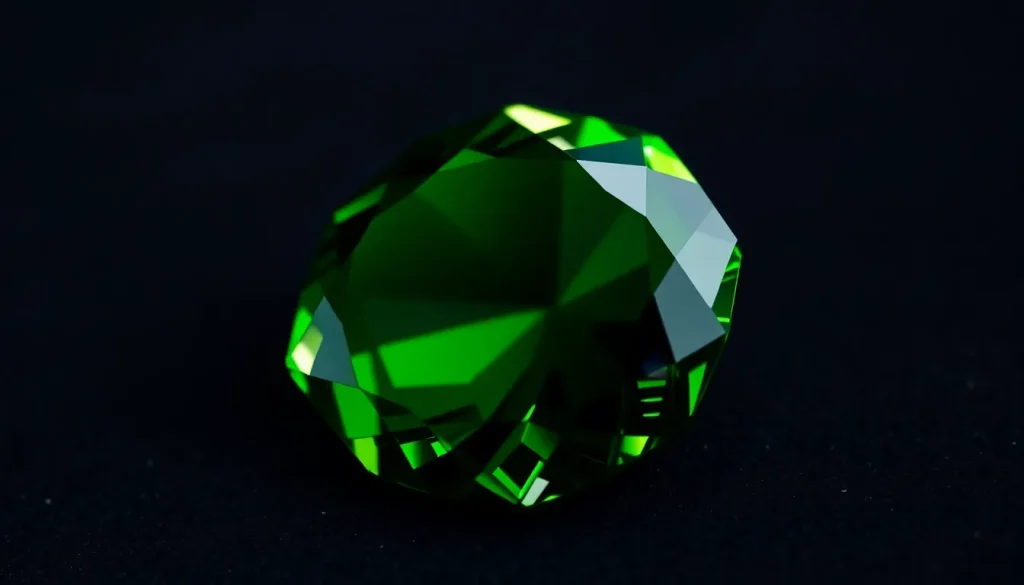
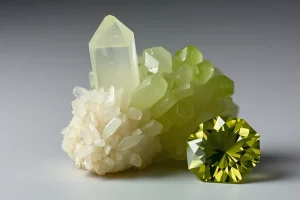
Hiddenite is the vivid green variety of the lithium aluminum silicate mineral spodumene. It is best known for its bright, apple‑green to emerald hues, strong pleochroism, and good hardness, which together make it suitable for fine jewelry and collector pieces. The gem is typically cut in faceted styles that showcase its color and optical properties.
History and Origin
The name “Hiddenite” honors American mineralogist and gem merchant William Earl Hidden, who first identified the stone in 1879 near Hiddenite, North Carolina, USA. The original discovery was a small, green crystal found in a pegmatite that exhibited the characteristic green color of chromium‑bearing spodumene. Since that time, additional deposits have been located in Brazil, Afghanistan, Madagascar, Pakistan, and Tanzania, each producing material of varying intensity and clarity.
Meaning and Symbolism
Traditionally, Hiddenite is linked to the heart chakra and is thought to promote love, compassion, and emotional healing. Its green color is associated with growth, renewal, and the natural world, making it a popular talisman for those seeking personal transformation or a deeper connection to nature.
Healing and Metaphysical Properties
In crystal‑healing circles, Hiddenite is believed to:
- Support emotional balance and release past hurts.
- Encourage optimism and a forward‑looking outlook.
- Assist in manifesting abundance and personal goals.
These claims are based on traditional beliefs and are not a substitute for professional medical advice.
Varieties and Types
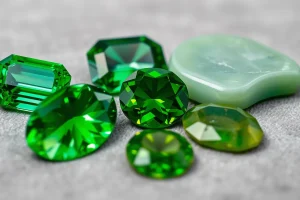
Hiddenite is essentially a single variety of spodumene distinguished by its green color, which results from trace amounts of chromium or, less commonly, vanadium. The color can range from a pale, minty green to a deep, saturated emerald. While most specimens are transparent, some may exhibit translucency or slight inclusions that add character.
Jewelry Uses and Care
Because of its hardness (6.5–7 on the Mohs scale) and vitreous luster, Hiddenite is set in rings, pendants, earrings, and high‑end watches. However, the stone has perfect cleavage in two directions, making it susceptible to chip damage if struck. Care recommendations include:
- Clean with warm, soapy water and a soft brush; avoid ultrasonic cleaners unless the stone is confirmed untreated.
- Store separately from harder gemstones such as diamonds or sapphires to prevent scratching.
- Remove jewelry before activities that could expose the stone to hard impacts.
Buying Guide
When purchasing Hiddenite, consider the following factors:
- Color intensity: Deep, saturated greens are the most valuable.
- Clarity: Inclusions are common; eye‑clean stones command higher prices.
- Cut: A well‑cut stone maximizes color and minimizes cleavage exposure.
- Treatment disclosure: Some stones are heat‑treated to enhance color; reputable dealers will disclose any treatments.
- Certification: Request a gemological report from a recognized laboratory (e.g., GIA, IGI) for confidence in authenticity.
Because natural, vivid green Hiddenite is relatively scarce, expect higher price points for top‑quality material.
FAQ
What is Hiddenite good for?
Hiddenite is prized for its vivid green color in fine jewelry and is traditionally believed to support emotional healing and heart‑chakra balance, though such metaphysical claims are not medically verified.
Is Hiddenite rare?
High‑quality, vivid green Hiddenite is relatively scarce, especially when free of inclusions and untreated. It occurs in limited localities, making fine specimens rarer than many other gemstones.
How can you tell if Hiddenite is real?
Real Hiddenite displays strong pleochroism, a refractive index around 1.66, and perfect cleavage on two planes. Professional gemological testing (e.g., spectroscopy or a GIA report) provides definitive verification.
What chakra is Hiddenite associated with?
In traditional crystal‑healing beliefs, Hiddenite is linked to the Heart (Anahata) chakra, where it is thought to promote love and emotional balance.
How should you clean Hiddenite?
Clean Hiddenite with warm soapy water and a soft brush. Avoid ultrasonic cleaners unless the stone is confirmed untreated, and store it separately from harder gemstones to prevent chipping.
Leave a Reply