
Short Answer
Overview
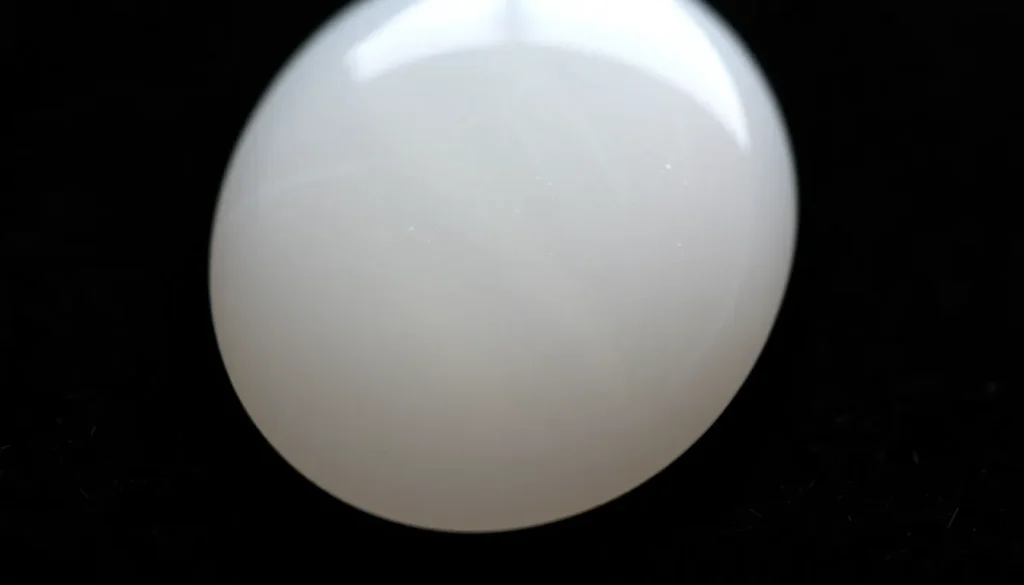
Kaolinite, also called kaolin or China clay, is a soft, earthy mineral composed of hydrated aluminum silicate. It typically appears as a white to off‑white, fine‑grained material with a pearly to dull luster. While best known for its industrial uses in ceramics and paper, kaolinite is occasionally cut into cabochons or beads for ornamental jewelry and is popular in crystal‑healing circles for its grounding qualities.
History and Origin
The name “kaolin” derives from the Chinese village of Gaoling, where the mineral was first mined for porcelain production over two thousand years ago. Throughout history, kaolinite has been extracted from riverbanks, alluvial deposits, and weathered granitic terrains. Major historic sources include the Appalachian region of the United States, the Guangxi province of China, and the Cornish clay pits of England.
Meaning and Symbolism
In traditional gemstone lore, kaolinite symbolizes simplicity, humility, and a return to the basics. Its muted white color is associated with purity of thought and emotional calm. Many believe it encourages a gentle, nurturing approach to life, helping the wearer stay centered during times of stress.
Healing and Metaphysical Properties
Crystal‑healing practitioners attribute kaolinite with grounding and stabilizing energy. It is said to support the Root Chakra, promote emotional balance, and aid in releasing negative thought patterns. Users often place a piece of kaolinite on the lower abdomen during meditation to foster a sense of security. These claims are based on tradition and are not medical advice.
Varieties and Types
- Pure White Kaolinite – The most common form, displaying a bright, almost translucent appearance.
- Grey‑ish Kaolinite – Contains minor impurities that give a light grey hue.
- Yellowish Kaolinite – Slight iron oxide staining can produce a pale yellow tint.
All varieties share the same basic chemical structure but differ in color due to trace mineral content.
Jewelry Uses and Care
Because of its low hardness (2–2.5 on the Mohs scale), kaolinite is best used in pendants, earrings, and beads that are not subject to heavy wear. It should be set in protective settings such as bezel or bezel‑back designs. Cleaning should be gentle: use a soft, damp cloth and mild soap. Avoid ultrasonic cleaners, harsh chemicals, and prolonged exposure to water, as the mineral can absorb moisture and become fragile.
Buying Guide
- Check the source: reputable dealers will disclose mining locality and any treatments.
- Inspect the surface: genuine kaolinite feels soft, may show a faint pearly sheen, and should not sparkle like quartz.
- Verify hardness: a simple scratch test with a copper coin (hardness 3) should leave a mark on kaolinite.
- Ask about certifications: while formal gem‑certificates are rare for kaolinite, a basic mineral identification report adds confidence.
- Consider the setting: choose protective mounts to reduce the risk of chipping or scratching.
FAQ
What is kaolinite good for?
Kaolinite is valued for its gentle grounding energy in crystal‑healing practices and is occasionally used in ornamental jewelry due to its subtle pearly appearance. Industrially, it is essential for ceramics, paper coating, and cosmetics.
Is kaolinite rare?
Kaolinite is not rare; it occurs worldwide in sedimentary deposits. High‑quality, translucent specimens suitable for jewelry are less common than bulk industrial material, making fine cabochons relatively scarce.
How can you tell if kaolinite is real?
Real kaolinite feels soft, may show a faint pearly luster, and has a white streak. A copper‑coin scratch test will typically leave a mark. For certainty, seek a professional mineral identification report or gem‑lab analysis.
What chakra is kaolinite associated with?
Traditional crystal‑healing beliefs link kaolinite to the Root Chakra, supporting grounding, stability, and a sense of safety.
How should you clean kaolinite?
Clean kaolinite gently with a soft, damp cloth and mild soap. Avoid ultrasonic cleaners, harsh chemicals, and prolonged soaking, as the stone is soft and can absorb moisture, leading to damage.
Leave a Reply