
Short Answer
Overview
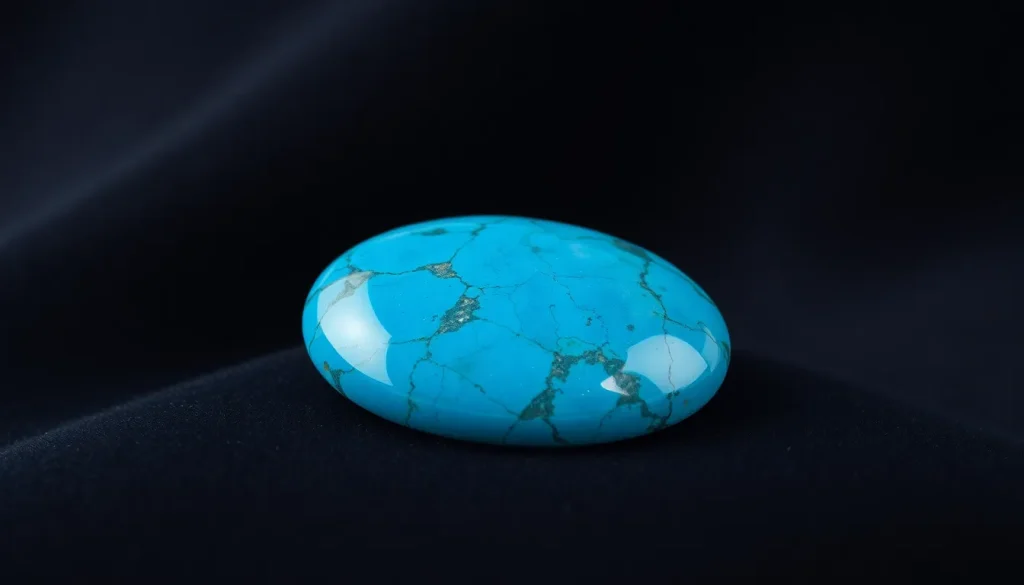
Shattuckite is a secondary copper silicate mineral with the chemical formula Cu5(SiO3)4(OH)2. It is best known for its intense blue to turquoise coloration, which makes it a popular ornamental stone and occasional gemstone in jewelry. Crystallizing in the monoclinic system, shattuckite occurs as acicular (needle‑like) crystals, fibrous masses, or as botryoidal aggregates. Its Mohs hardness of 3.5–4.5 places it in the softer range of gemstones, requiring careful handling in settings.
History and Origin
The mineral was first described in 1915 from specimens collected at the Shattuck Mine near Bisbee, Arizona, USA, and was named after the mine’s owner, J. D. Shattuck. Since its discovery, shattuckite has been reported from copper‑rich oxidized zones in arid regions of the world, including Chile, the Democratic Republic of Congo, Namibia, and Zambia. Historically, it has been used as a decorative stone and, more recently, as a collector’s mineral and occasional gemstone due to its vivid hue.
Meaning and Symbolism
In traditional gemstone lore, shattuckite’s bright blue tone is associated with clear communication, truth, and self‑expression. The stone is thought to encourage honesty and aid in the articulation of ideas, making it a symbolic talisman for writers, speakers, and anyone seeking to convey their thoughts with confidence.
Healing and Metaphysical Properties
Crystal‑healing practitioners attribute shattuckite with throat‑chakra activation, promoting vocal expression and the free flow of ideas. It is believed to help release emotional blockages, especially those related to fear of speaking out. Some claim it can assist in detoxifying the body’s copper pathways, though these statements are not medically verified and should not replace professional health advice.
Varieties and Types
Shattuckite is found in several textural forms:
- Acicular Crystals – Needle‑like clusters that display the most vivid color.
- Fibrous Masses – Often used for cabochons and beads, showing a uniform turquoise hue.
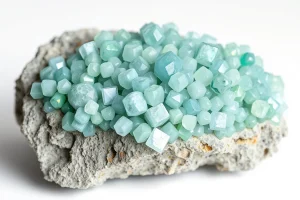
- Botryoidal Aggregates – Rounded, grape‑like formations prized by collectors.
While the mineral itself is not typically treated, some specimens are polished to enhance their luster and color depth. Unenhanced, natural shattuckite retains a slightly porous surface that can absorb oils and dirt over time.
Jewelry Uses and Care
Because of its relatively low hardness, shattuckite is best suited for earrings, pendants, brooches, and beads rather than rings or bracelets that endure heavy wear. Protective settings such as bezel or bezel‑back designs help shield the stone from scratches.
Cleaning should be gentle: use lukewarm water with a mild soap, a soft brush, and avoid ultrasonic cleaners or harsh chemicals. After cleaning, pat dry with a lint‑free cloth. Store shattuckite pieces separately from harder gemstones to prevent abrasion.
Buying Guide
When purchasing shattuckite, consider the following factors:
- Color Saturation – Deep, uniform blues or turquoise hues are most desirable.
- Clarity – Inclusions are common; however, excessive cracks or matrix can lower value.
- Cut and Finish – Well‑polished cabochons that showcase the stone’s luster are preferred.
- Treatment Disclosure – Reputable sellers should state whether the stone has been dyed or stabilized.
- Certification – For high‑value pieces, obtain a gemological report from a recognized laboratory.
Because large, gem‑quality crystals are uncommon, price varies widely based on color intensity, size, and craftsmanship. Always buy from reputable dealers who provide clear return policies and authenticity guarantees.
FAQ
What is shattuckite good for?
Shattuckite is valued for its striking blue‑green color in jewelry and ornamental objects. Traditionally, it is believed to aid clear communication and truth‑telling, though these properties are based on crystal‑healing folklore, not scientific evidence.
Is shattuckite rare?
High‑quality, gem‑grade shattuckite is relatively uncommon because large, well‑colored crystals are scarce. However, the mineral itself is not extremely rare and can be found in several copper‑rich localities worldwide.
How can you tell if shattuckite is real?
Real shattuckite exhibits a blue‑turquoise hue, a Mohs hardness of 3.5–4.5, and a light‑blue streak. It may show fibrous or acicular crystal habits. Professional gemological testing, such as refractive index measurement or spectroscopy, provides definitive verification.
What chakra is shattuckite associated with?
In crystal‑healing traditions, shattuckite is most commonly linked to the throat chakra, supporting vocal expression and honest communication.
How should you clean shattuckite?
Clean shattuckite gently with lukewarm soapy water and a soft brush. Avoid ultrasonic cleaners, steam, or harsh chemicals, and store it separately from harder gemstones to prevent scratching.
Leave a Reply