How to Safely Identify and Handle Fibrous Minerals
A comprehensive guide on recognizing asbestos-form minerals and other fibrous crystals. Learn the essential safety protocols for handling hazardous minerals to prevent respiratory risks.

A comprehensive guide on recognizing asbestos-form minerals and other fibrous crystals. Learn the essential safety protocols for handling hazardous minerals to prevent respiratory risks.
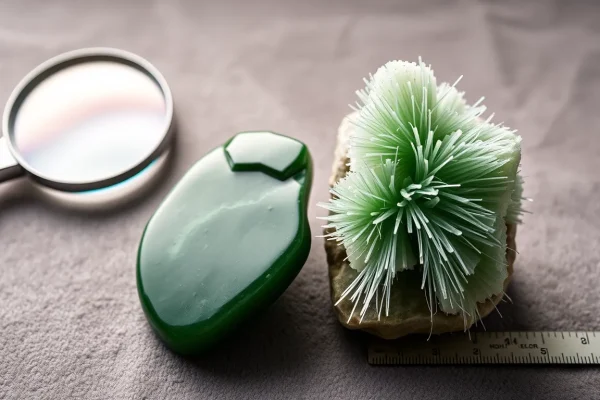
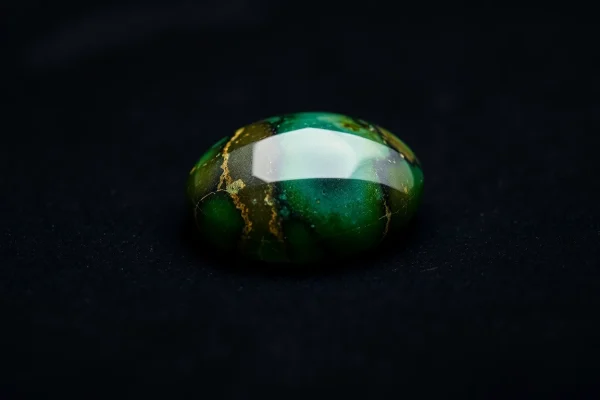
While both can appear as striking green stones, actinolite and jade are mineralogically distinct. This guide explores the critical differences in composition, hardness, and structure to help collectors distinguish between them.
Arfvedsonite is a dark, black‑to‑green amphibole mineral valued for its striking vitreous luster and rarity in fine jewelry. This article covers its mineral properties, historical background, symbolic meanings, care tips, and buying advice for collectors and gemstone enthusiasts.
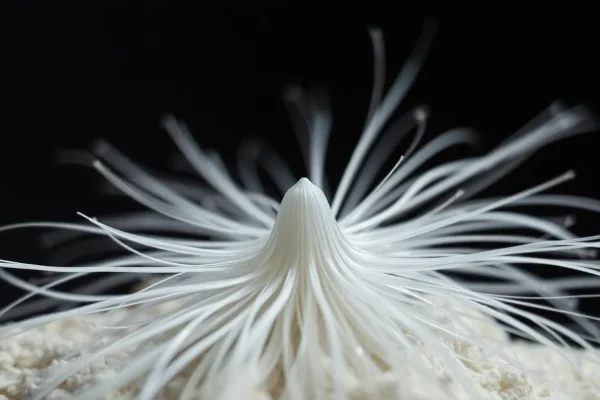
Asbestos is a group of fibrous silicate minerals known for their silky white to gray appearance and historic use in fire‑resistant products. Readers care because its unique properties, symbolism, and health considerations are essential for collectors and crystal enthusiasts.
Tremolite is a silicate mineral of the amphibole group, known for its white to pale green coloration and occasional use as a gemstone in delicate jewelry. Its subtle hues, distinct cleavage, and historic significance make it a point of interest for collectors and crystal enthusiasts.
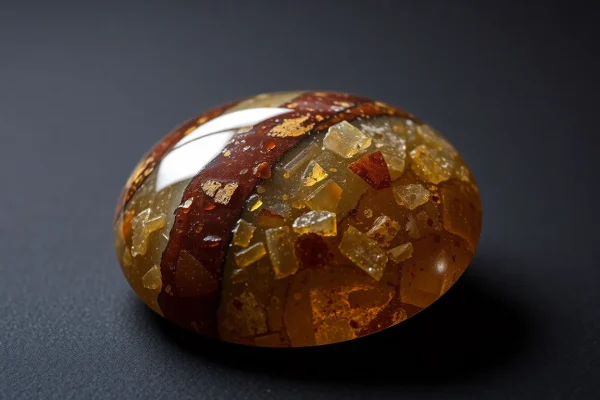
Richterite is a sodium‑rich amphibole mineral known for its earthy brown to yellow‑green hues. Frequently cut as cabochons or beads, it appeals to collectors and jewelry makers seeking a distinctive, grounding stone with rich mineral heritage and is valued for its unique crystal habit and subtle luster.
Pargasite is a dark‑green to brownish amphibole mineral prized for its grounding symbolism and occasional use in jewelry. Learn about its physical properties, metaphysical meanings, care tips, and buying guidance.
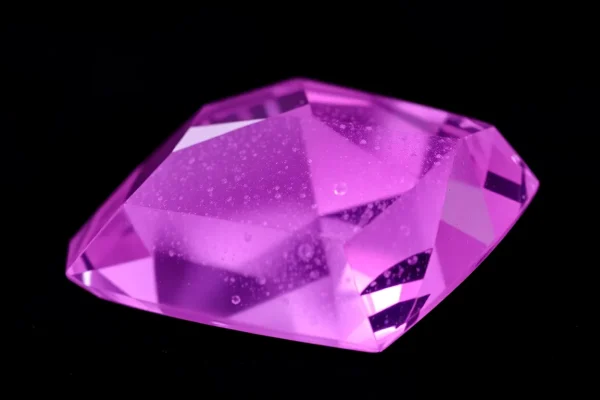
Hexagonite is a rare, manganese‑colored variety of the amphibole mineral tremolite, prized for its delicate pink‑to‑violet hues and silky luster, making it a sought‑after gemstone for collectors and jewelry designers alike. Its unique coloration results from manganese substitution in the crystal lattice, and its rarity adds to its appeal among gemstone enthusiasts.
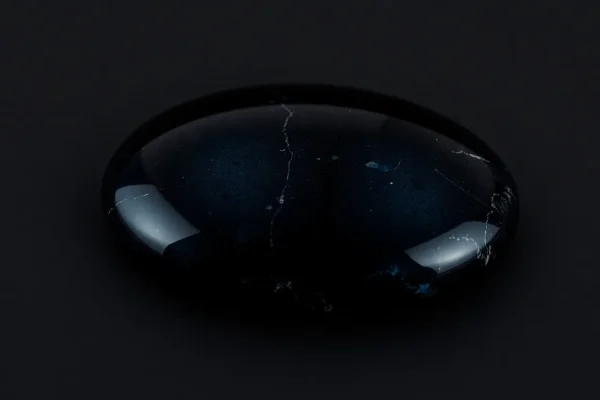
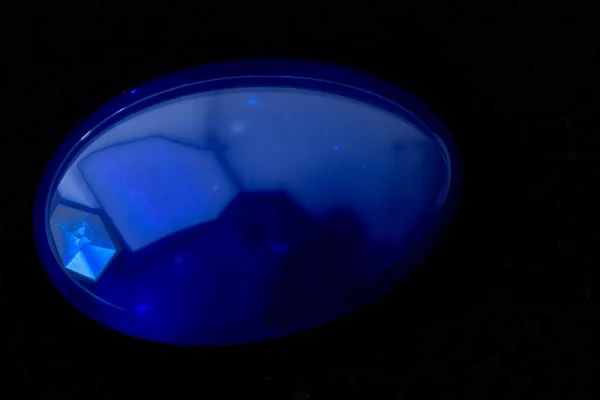
Glaucophane is a deep‑blue amphibole mineral prized in niche jewelry for its striking indigo hue. Found in metamorphic blueschist rocks, it is cut into cabochons and beads. Readers care for its unique color, mineral properties, and the lore surrounding its calming energy.
Nuummite is a rare black gemstone from Greenland known for its striking iridescent flashes of blue, green, and gold. Formed by intergrown amphibole minerals, it is prized for its chatoyant “cat’s eye” effect in jewelry and for traditional meanings of strength and inner insight.