
Short Answer
Overview
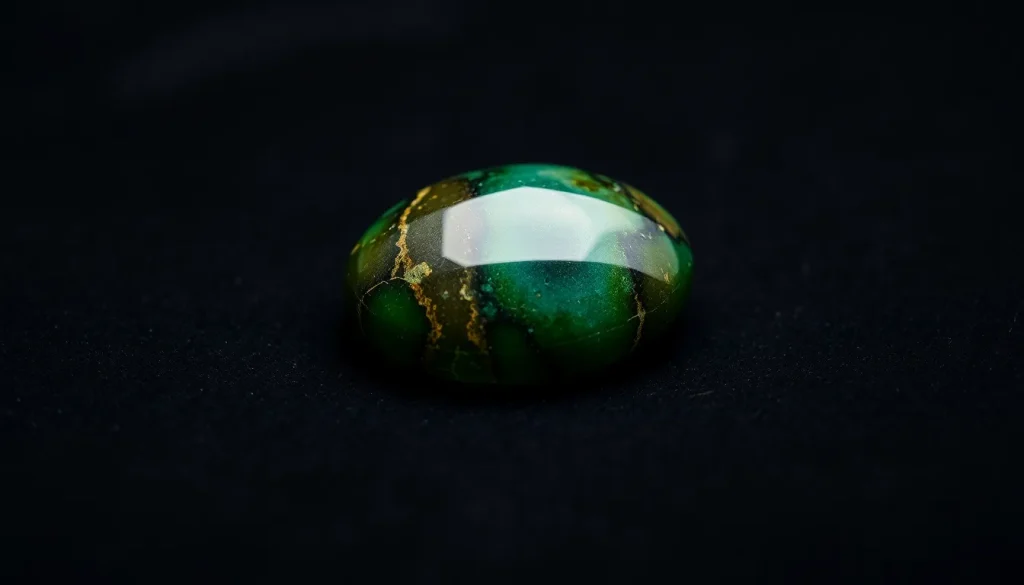
Pargasite is a dark‑green to brownish amphibole mineral belonging to the inosilicate (chain silicate) family. Chemically it is a sodium‑calcium magnesium‑iron silicate with the ideal formula NaCa₂(Mg₄Al)Si₈O₂₂(OH)₂, though iron can substitute for magnesium in natural specimens. The mineral crystallises in the monoclinic system and is most noted for its perfect two‑directional cleavage, vitreous to sub‑adamantine luster, and a Mohs hardness of about 5.5–6.5, making it suitable for certain types of ornamental use.
History and Origin
The name “pargasite” derives from the Finnish town of Pargas (Pargas), where the mineral was first described in 1841 by Finnish geologist E. G. von Brückner. It occurs in metamorphic rocks such as amphibolite and greenschist facies, forming under medium‑temperature conditions (400–600 °C) in subduction‑zone environments. Notable localities include Finland, Japan (Honshu), the United States (California, Oregon), Canada (British Columbia), Norway, and Russia.
Meaning and Symbolism
In traditional gemstone lore, pargasite is associated with grounding and inner strength. Its deep green hues are said to echo the heart of the forest, encouraging perseverance and a calm, steady outlook. Collectors value the stone for its rarity and the subtle elegance it brings to jewelry, often interpreting it as a symbol of personal growth and resilience.
Healing and Metaphysical Properties
Crystal‑healing practitioners attribute the following properties to pargasite, describing them as traditional beliefs rather than medical facts:
- Grounding and stability: Believed to help anchor one’s energy to the Earth, promoting a sense of security.
- Emotional balance: Said to soothe anxiety and assist in releasing past emotional wounds.
- Physical support: Traditionally linked to the musculoskeletal system, especially the spine and joints.
These uses are based on metaphysical tradition; they are not intended as medical advice.
Varieties and Types
While “pargasite” refers to a specific amphibole composition, several related varieties occur:
- Iron‑rich pargasite: Higher Fe content, giving a darker brown‑black tone.
- Sodium‑rich pargasite (anthophyllite series): Shows a slightly lighter green and may contain trace titanium.
- Altered pargasite: Exhibits surface oxidation, producing a brownish‑black patina.
All varieties share the characteristic amphibole cleavage and similar hardness.
Jewelry Uses and Care
Because of its moderate hardness and perfect cleavage, pargasite is best suited for jewelry pieces that experience limited impact, such as pendants, earrings, and cabochons in rings that are not worn for heavy work. The stone can be cut into cabochons, beads, or faceted gems, though faceting is challenging due to the cleavage planes.
Care recommendations:
- Clean with a soft brush and mild soapy water; avoid ultrasonic cleaners.
- Dry thoroughly; moisture can promote surface alteration over time.
- Store separately from harder stones (e.g., quartz, topaz) to prevent scratching.
- Avoid exposure to strong acids or prolonged heat, which may alter the surface.
Buying Guide
When selecting pargasite, consider the following factors:
- Color and clarity: Deep, even green or brown tones without cloudy inclusions are most prized.
- Cut quality: Look for well‑oriented cabochons that respect the mineral’s cleavage to avoid chips.
- Source documentation: Reputable dealers should provide locality information; Finnish and Japanese specimens are often considered high quality.
- Treatment disclosure: Natural pargasite is rarely treated, but some stones may be stabilized with resins; ask for certification.
- Pricing: Prices vary widely; fine, transparent material from classic localities can command premium prices, while lower‑grade material is more affordable.
Always request a gemological report from a recognized laboratory (e.g., GIA, IGI) for valuable pieces.
FAQ
What is pargasite good for?
Practically, pargasite is used in ornamental cabochons and collectors’ pieces because of its attractive dark green color and moderate hardness. Traditionally, crystal‑healing believers attribute grounding, emotional balance, and musculoskeletal support to the stone.
Is pargasite rare?
Pargasite is uncommon in gem‑quality form. High‑clarity, well‑coloured material from classic localities such as Finland or Japan is rarer and more valuable, while lower‑grade material is more widely available.
How can you tell if pargasite is real?
Real pargasite shows perfect amphibole cleavage, a vitreous to sub‑adamantine luster, and a Mohs hardness around 5.5–6.5. A professional gemological lab can confirm identity with refractive index measurements and chemical analysis.
What chakra is pargasite associated with?
In metaphysical traditions, pargasite is sometimes linked to the Root (Muladhara) chakra for grounding, though there is no single standard chakra association.
How should you clean pargasite?
Clean pargasite gently with warm soapy water and a soft brush. Rinse thoroughly, pat dry, and avoid ultrasonic cleaners, harsh chemicals, or prolonged heat, which can damage its surface or alter its appearance.
Leave a Reply