
Short Answer
Overview
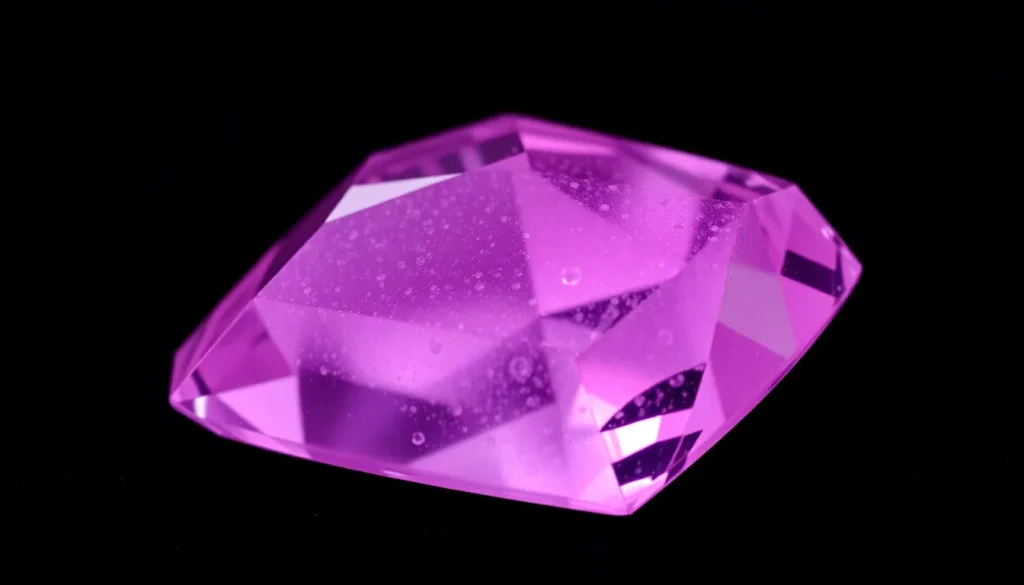
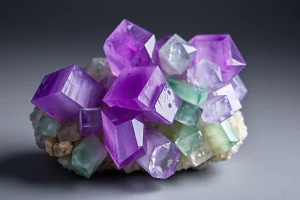
Hexagonite is a manganese‑bearing variety of the amphibole mineral tremolite. It is distinguished by its delicate pink to violet coloration, which results from Mn²⁺ substituting for Mg²⁺ in the crystal lattice. The stone exhibits a vitreous to silky luster, often with a faint chatoyancy when cut. Because of its rarity and distinctive hue, hexagonite is prized by collectors and is occasionally used in high‑end jewelry.
History and Origin
The name “hexagonite” was coined in the early 1960s after specimens were discovered in the Otavi Mountainland of Namibia, a region known for manganese‑rich metamorphic rocks. Subsequent occurrences have been reported from Tanzania, Canada (Ontario), and the United States (California). Historically the stone was categorized as “manganese tremolite” before the distinct name was adopted. Its rarity and limited localities have kept it relatively obscure in the broader gem market.
Meaning and Symbolism
In traditional gemstone lore, hexagonite is associated with emotional balance and gentle transformation. Its pink tones are said to nurture compassion, while the violet aspects are linked to intuition and spiritual insight. The stone is often presented as a symbol of subtle inner change, making it a popular choice for meaningful gifts and personal talismans.
Healing and Metaphysical Properties
Crystal‑healing enthusiasts attribute the following properties to hexagonite, based on longstanding belief systems rather than scientific evidence:
- Emotional Healing: Promotes self‑acceptance and eases feelings of sadness.
- Spiritual Insight: Enhances intuition and supports meditation practices.
- Physical Support: Traditionally thought to aid the endocrine system and assist with hormonal balance.
These claims are not intended as medical advice; individuals should consult qualified health professionals for any medical concerns.
Varieties and Types
Hexagonite is essentially a color variety of tremolite. The primary factor influencing its hue is the concentration of manganese. Specimens may range from soft salmon‑pink to deep violet. In some cases, heat treatment or irradiation is employed to intensify color, though natural, untreated hexagonite remains the most valued. The stone can appear in massive, fibrous aggregates or be cut into cabochons and faceted gems.
Jewelry Uses and Care
Due to its Mohs hardness of 5.5–6, hexagonite is suitable for pendants, earrings, and brooches, but is less appropriate for rings or bracelets that endure frequent impact. The stone’s perfect basal cleavage means it can split if struck, so setting designs that protect the girdle are preferred. Cleaning should be performed with a soft, lint‑free cloth and mild soapy water; ultrasonic cleaners and steam are discouraged because of the stone’s cleavage and possible treatments.
Buying Guide
When evaluating hexagonite, consider the following factors:
- Color Saturation: Deep, even pink‑violet tones are most desirable.
- Clarity: Since the mineral is often fibrous, a smooth, translucent appearance without visible inclusions is preferred.
- Cut Quality: Well‑proportioned cabochons or faceted stones that protect the cleavage planes add value.
- Treatment Disclosure: Request documentation on any heat or irradiation treatments; untreated specimens command a premium.
- Certification: Obtain a gemological report from a reputable laboratory (e.g., GIA, IGI) to verify identity and any enhancements.
Because hexagonite is uncommon, pricing can vary widely. Authentic, untreated stones from Namibia typically command the highest market prices.
FAQ
What is hexagonite good for?
Hexagonite is valued for its unique pink‑violet color in jewelry and as a collector’s specimen. Traditional crystal‑healing beliefs also associate it with emotional balance and intuitive insight, though these uses are not medically verified.
Is hexagonite rare?
Yes. High‑quality, untreated hexagonite is uncommon because it occurs only in a few manganese‑rich localities and the color range suitable for jewelry is limited. Rarity is greater for deep, evenly saturated stones.
How can you tell if hexagonite is real?
Professional identification includes checking hardness (5.5–6), examining cleavage, and confirming color under natural light. Gemological labs can verify the mineral’s composition and detect any heat or irradiation treatments.
What chakra is hexagonite associated with?
In crystal‑healing traditions hexagonite is most often linked to the Third Eye chakra for intuition and the Heart chakra for compassion, though there is no single standard association.
How should you clean hexagonite?
Clean hexagonite with a soft, lint‑free cloth and mild soapy water. Avoid ultrasonic cleaners, steam, or harsh chemicals, as the stone’s perfect cleavage and possible treatments can be damaged by aggressive cleaning methods.
Leave a Reply