
Short Answer
Overview
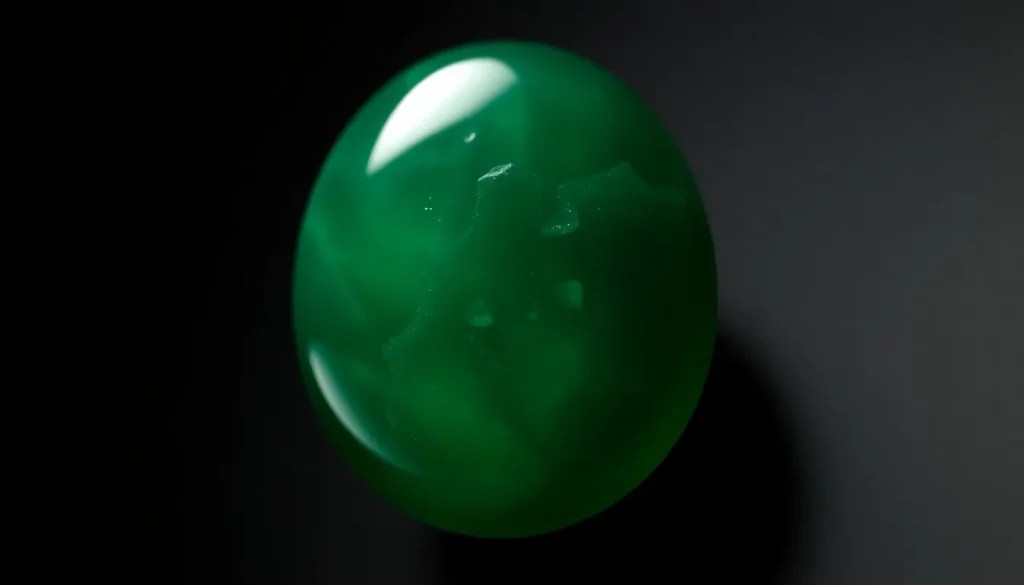
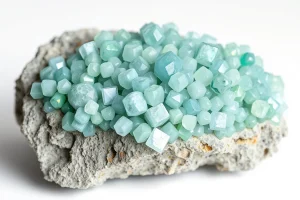
Smithsonite is the natural mineral form of zinc carbonate (ZnCO3). It belongs to the carbonate family and crystallises in the trigonal system, often forming botryoidal, stalactitic, or massive aggregates. The stone is best known for its wide colour palette—soft greens, blues, pinks, and earthy browns—making it a favoured material for ornamental cabochons and beads.
History and Origin
The name “smithsonite” honors James Smithson, the founder of the Smithsonian Institution, who first described the mineral in the early 19th century. Historically, the mineral was also called “calamine,” a term that later became ambiguous because it referred to both smithsonite and the zinc silicate mineral hemimorphite. Smithsonite occurrences are typical of oxidised zinc ore deposits where primary sphalerite (ZnS) weathers to secondary carbonates. Notable historic localities include the “Lead Belt” of Missouri, USA, and the “Zinc Belt” of New South Wales, Australia.
Meaning and Symbolism
In traditional gemstone lore, smithsonite is associated with personal growth and emotional balance. Its gentle colours are said to encourage calmness, promote self‑acceptance, and support the transition from hardship to renewal. The stone is sometimes linked to the heart centre, symbolising compassion and the nurturing of relationships.
Healing and Metaphysical Properties
Crystal‑healing practitioners attribute a range of non‑medical benefits to smithsonite. It is believed to aid emotional healing, especially after loss, and to foster a sense of inner stability. Some claim that it assists in grounding energy, enhancing communication, and stimulating the creative expression of thoughts. These properties are based on tradition and should not replace professional medical advice.
Varieties and Types
Smithsonite displays several colour varieties, each often named after its dominant hue:
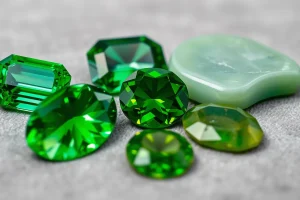
- Green smithsonite – rich emerald to olive tones, sometimes caused by trace copper.
- Blue smithsonite – pastel sky‑blue to deep sapphire shades, a rarer variety.
- Pink smithsonite – soft rose to salmon‑pink, resulting from manganese impurities.
- Brown and yellow smithsonite – earthy tones influenced by iron oxides.
All varieties share the same chemical composition; colour differences are due to trace element substitutions and radiation exposure.
Jewelry Uses and Care
Because smithsonite ranks 4.5–5.5 on the Mohs scale, it is considered a relatively soft gemstone. It is therefore suited to earrings, pendants, and brooches where wear is moderate. When set in rings, protective settings such as bezel or channel settings are recommended to minimise abrasion.
Care instructions:
- Clean with lukewarm water, mild soap, and a soft brush. Avoid ultrasonic cleaners and steam.
- Dry with a lint‑free cloth; do not expose to sudden temperature changes.
- Store separately from harder gemstones to prevent scratching.
- Apply a clear protective coating only if the stone has been professionally treated; otherwise, avoid chemicals such as acids or bleach.
n
Buying Guide
When purchasing smithsonite, consider the following criteria:
- Colour intensity – Deep, uniform hues are generally more desirable.
- Clarity – Inclusions are common; however, large fractures or surface pits reduce value.
- Cut and finish – Well‑polished cabochons that showcase the stone’s luster are preferred.
- Origin – Reputable sources from known localities (e.g., Missouri, Australia) often provide better quality control.
- Treatment disclosure – Some specimens are heat‑treated to enhance colour; request certification if this is a concern.
For valuable pieces, obtain a gemstone grading report from a recognized laboratory such as the GIA or IGI. This ensures authenticity and provides details on any treatments applied.
FAQ
What is smithsonite good for?
Smithsonite is valued for its attractive pastel colours in jewelry and as a collector’s mineral. Traditional beliefs also associate it with emotional balance and grounding, though these are not medical facts.
Is smithsonite rare?
High‑quality, vividly coloured smithsonite specimens are relatively uncommon, especially in large sizes. The mineral itself is moderately abundant in oxidised zinc deposits, but fine‑cut gems are less frequent.
How can you tell if smithsonite is real?
Real smithsonite feels slightly softer than quartz (Mohs 4.5–5.5) and shows a white streak. It exhibits perfect basal cleavage and a characteristic pearly to adamantine luster. Professional gemological testing, such as refractive index measurement, confirms authenticity.
What chakra is smithsonite associated with?
In crystal‑healing traditions smithsonite is often linked to the Heart (Anahata) chakra, promoting love and emotional healing, though no single standard chakra is universally recognized.
How should you clean smithsonite?
Clean smithsonite with lukewarm water, mild soap, and a soft brush. Avoid ultrasonic cleaners, steam, and harsh chemicals. Dry gently and store separately from harder gemstones to prevent scratches.
Leave a Reply