
Short Answer
Overview
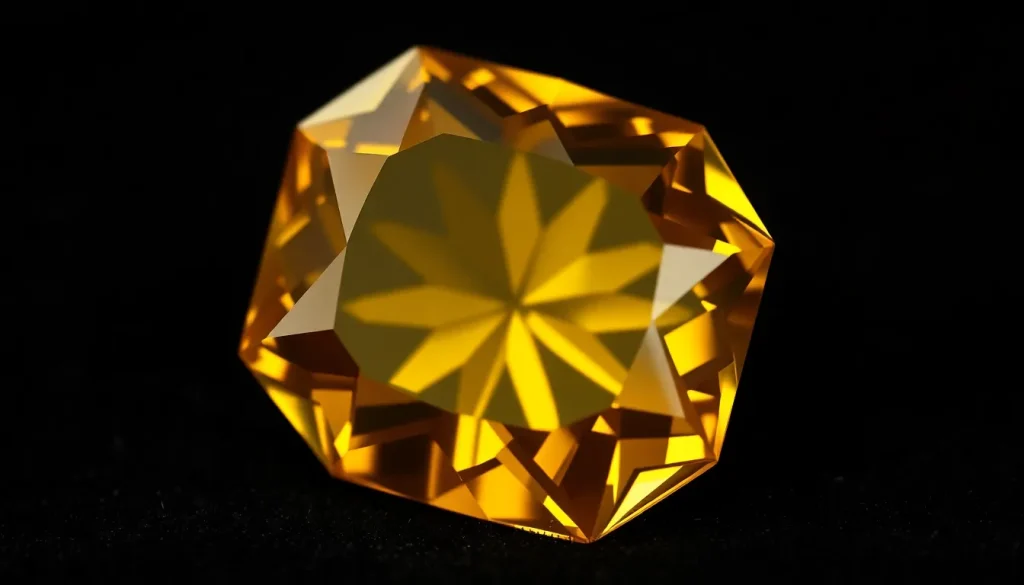
Sphalerite, also known as zinc blende, is the primary ore of zinc and a recognized gemstone. It belongs to the isometric crystal system, typically forming cubic crystals or massive aggregates. The mineral’s most common colors range from bright honey‑yellow and golden brown to deep red, green, and opaque black, often displaying a high degree of brilliance when faceted.
History and Origin
The name “sphalerite” derives from the Greek word sphaleros, meaning “deceptive,” because early miners often confused it with galena. Historically, sphalerite has been mined for zinc extraction in Europe since the 16th century, while gemstone-quality material has been collected from localities such as the Zinnwald region of Germany, the Katanga district of the Democratic Republic of Congo, and more recently from Canada, the United States, and China.
Meaning and Symbolism
In traditional gem lore, sphalerite is associated with personal transformation and the ability to “see through” illusion. Its deep, warm tones are said to encourage confidence, grounding, and the discovery of inner truth. Many cultures view the stone as a talisman for perseverance and protection during change.
Healing and Metaphysical Properties
Crystal‑healing practitioners attribute sphalerite with grounding energy that supports the Root and Heart chakras, helping to release emotional blockages and promote self‑acceptance. It is believed to aid in detoxifying the body, especially the respiratory and skeletal systems, and to enhance intuition when used during meditation. These claims are based on tradition and are not medical advice.
Varieties and Types
- Clear (Colourless) Sphalerite: Rare, highly valued for its exceptional clarity and high refractive index.
- Golden / Honey‑Brown Sphalerite: The most common commercial variety, prized for its rich, warm hue.
- Red or Pink Sphalerite: Colored by trace chromium or iron; often cut as cabochons.
- Green Sphalerite: Usually contains trace copper; displays a vivid emerald‑like shade.
- Black Sphalerite (Zincite‑bearing): Opaque, often used in ornamental pieces rather than fine jewelry.
Jewelry Uses and Care
Because of its relatively low hardness (3.5–4 on the Mohs scale) and perfect octahedral cleavage, sphalerite is best suited for earrings, pendants, and brooches rather than rings or bracelets that endure frequent impact. When set in protective bezels or mounted as cabochons, the stone’s brilliance can be safely showcased. Care instructions:
- Avoid abrasive cleaning; use a soft, lint‑free cloth.
- Clean with mild soap and warm water; do not soak for extended periods.
- Store separately from harder gemstones to prevent scratching.
- Keep away from harsh chemicals, ultrasonic cleaners, and high‑temperature environments.
Buying Guide
When purchasing sphalerite, consider the following factors:
- Color and Clarity: Deep, even color with minimal inclusions is most desirable.
- Cut: Faceted stones reveal brilliance; cabochons display the stone’s natural glow.
- Treatment Disclosure: Some specimens are heat‑treated to enhance color—request certification.
- Origin: Reputable sources such as Canada, the United States, and well‑documented European mines often provide higher‑quality material.
- Certification: A gemological report from a recognized laboratory confirms authenticity and any treatments.
Choosing a reputable dealer and requesting a return policy will help ensure satisfaction with your sphalerite purchase.
FAQ
What is sphalerite good for?
Sphalerite is valued as a collector's gemstone for its warm colors and high brilliance, and is traditionally believed to aid grounding, emotional balance, and personal transformation.
Is sphalerite rare?
Sphalerite is relatively common as an ore mineral, but high‑quality, color‑saturated gemstones are less common. Rarity depends on clarity, color, and whether the stone is untreated.
How can you tell if sphalerite is real?
Real sphalerite feels heavy for its size, shows perfect octahedral cleavage, and may exhibit a high refractive index. Professional testing such as a refractometer, specific gravity measurement, or gemological lab report confirms authenticity.
What chakra is sphalerite associated with?
Traditional crystal‑healing beliefs associate sphalerite with the Heart and Root chakras, supporting emotional grounding and self‑acceptance.
How should you clean sphalerite?
Clean sphalerite with a soft cloth and mild soapy water; avoid ultrasonic cleaners, harsh chemicals, and abrasive powders. Store separately from harder gemstones to prevent scratching.
Leave a Reply