
Short Answer
Overview
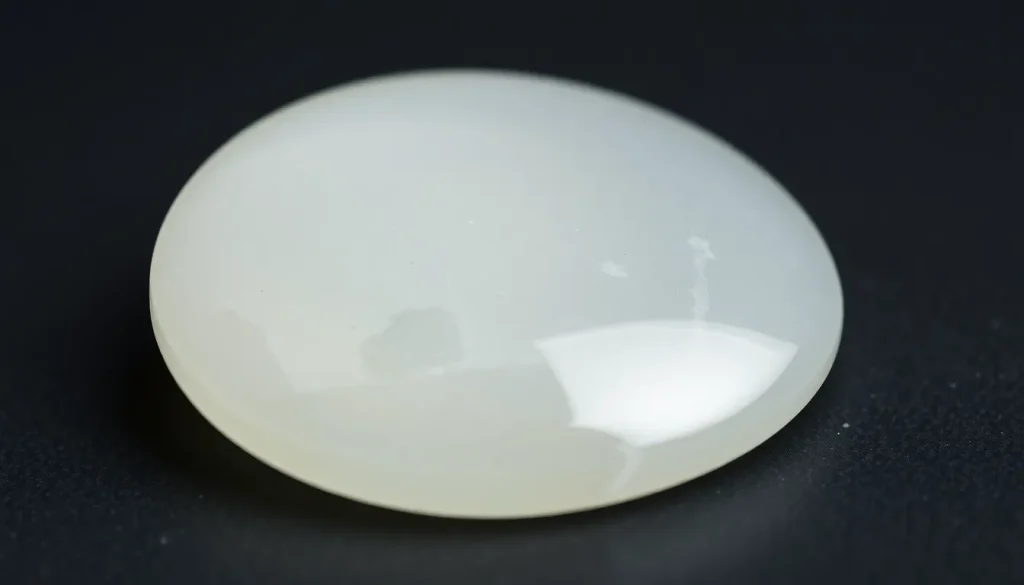
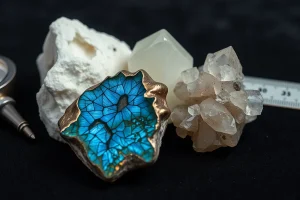
Zeolites are a family of hydrated aluminosilicate minerals characterized by an open, three‑dimensional framework that creates microscopic channels and cavities. These pores give zeolites a low specific gravity, a tendency to absorb water, and a distinctive, often translucent appearance. In gemology, zeolite specimens are prized for their crystal habit, delicate colors, and sometimes for their porous texture, which can be enhanced by polishing.
History and Origin
The name “zeolite” derives from the Greek words zeo (to boil) and lithos (stone), referring to the mineral’s tendency to release steam when heated. The first zeolite was described in 1756 by Swedish mineralogist Axel Fredrik Cronstedt. Historically, zeolites were used as natural absorbents for smoke, odors, and even as early desiccants. In the late 20th century, certain zeolite species began to be cut and set for decorative purposes, especially in the United States, Japan, and parts of Europe.
Meaning and Symbolism
In traditional gemstone symbolism, zeolite is associated with clarity of thought, personal growth, and the ability to “filter” out negative influences—mirroring its natural ability to trap molecules. It is sometimes described as a stone of transformation, helping the wearer release old patterns and embrace new possibilities.
Healing and Metaphysical Properties
Crystal‑healing practitioners attribute the following qualities to zeolite:
- Emotional balance: Believed to absorb emotional toxicity and promote calm.
- Physical detoxification: Traditionally thought to assist the body in eliminating toxins, though no medical claims are made.
- Spiritual grounding: Often linked to the Root Chakra, encouraging a sense of stability and connection to the earth.
These beliefs are part of cultural and metaphysical traditions and should not replace professional medical advice.
Varieties and Types
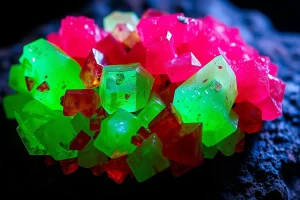
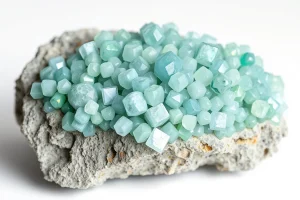
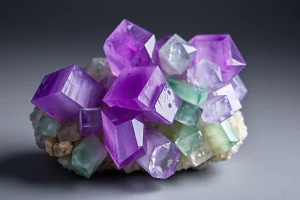
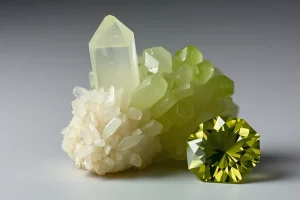
Zeolite is not a single mineral but a group that includes dozens of species. The most common varieties encountered in jewelry and collectors’ markets are:
- Stilbite: Typically displays a pearly luster with colors ranging from white to pale pink.
- Heulandite: Often forms well‑defined, tabular crystals in shades of white, green, or yellow.
- Clinoptilolite: Usually brown to yellow‑brown and known for its high porosity.
- Chabazite: Frequently deep green to blue‑green, valued for its vivid hue.
Because the chemical composition varies (generally expressed as (Na,K,Ca)2Al2Si4O12·6H2O), each variety may exhibit slightly different physical properties.
Jewelry Uses and Care
Zeolite’s relatively low hardness (3.5–5.5 on the Mohs scale) limits its use in everyday wear pieces. However, it is popular in:
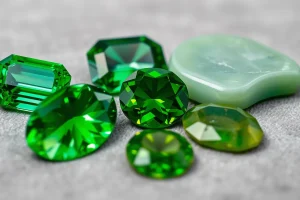
- Cabochons and polished beads for pendants, earrings, and bracelets.
- Artistic inlays where its porous texture can be highlighted with light‑fast stains.
Care recommendations:
- Cleaning: Use a soft, damp cloth. Avoid ultrasonic cleaners and harsh chemicals, which can penetrate the pores and cause discoloration.
- Storage: Keep in a padded bag or compartment separate from harder gemstones to prevent scratches.
- Heat exposure: Zeolite releases water when heated; prolonged high temperatures can cause cracking.
Buying Guide
When purchasing zeolite, consider the following factors:
- Clarity and surface finish: High‑quality specimens have a smooth, well‑polished surface with minimal visible pores.
- Color consistency: Uniform color throughout the stone is more desirable than mottled or uneven tones.
- Source and treatment: Natural zeolite is often untreated, but some pieces may be dyed to enhance color. Ask the seller for a disclosure.
- Certification: For larger cabochons or collector pieces, request a gemological report that identifies the specific zeolite species.
Because zeolite is relatively abundant, price is generally modest, ranging from a few dollars per carat for basic beads to higher amounts for rare, well‑crystallized specimens.
FAQ
What is zeolite good for?
Zeolite is valued for its distinctive porous crystal habit, making it suitable for ornamental cabochons, beads, and collector specimens; traditionally, it is also used in crystal‑healing practices for grounding and emotional cleansing.
Is zeolite rare?
High‑quality, well‑crystallized zeolite specimens are less common than lower‑grade material, but the mineral group is abundant worldwide, so overall rarity is moderate and depends on color, clarity, and treatment.
How can you tell if zeolite is real?
Real zeolite feels lightweight, may show tiny pores, and exhibits a vitreous‑pearly luster. A simple hardness test (scratching glass) will show a Mohs value below 6. For certainty, seek a gemological report that identifies the specific species.
What chakra is zeolite associated with?
In crystal‑healing traditions, zeolite is often linked to the Root Chakra for grounding, though some practitioners also associate it with the Heart Chakra for emotional balance.
How should you clean zeolite?
Clean zeolite with a soft, damp cloth and mild soap if needed. Avoid ultrasonic cleaners, steam, and harsh chemicals, as the stone’s porosity can absorb liquids and cause staining or damage.
Leave a Reply