
Short Answer
Overview
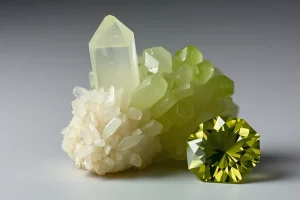
Calcite is a calcium carbonate mineral (CaCO3) belonging to the carbonate family. It crystallizes in the trigonal (rhombohedral) system and is renowned for its perfect rhombohedral cleavage, which allows the stone to split into smooth, flat parallelograms. Calcite occurs in a remarkable spectrum of colors, from colorless and white to vivid blues, greens, reds, and yellows, often forming speleothems, veins, and massive aggregates.
History and Origin
Calcite has been recognized since antiquity. The ancient Greeks named it kallos (beauty), while the Romans used it for building material and pigments. Transparent calcite from Iceland, known as Iceland Spar, was prized for its optical properties and employed in early polarizing devices. Throughout the 19th and 20th centuries, calcite became a staple in ornamental carving, decorative objects, and, more recently, in gemstone jewelry.
Meaning and Symbolism
In many cultural traditions, calcite symbolizes clarity, transformation, and the amplification of personal energy. Its ability to split cleanly is often interpreted as a metaphor for breaking through obstacles and achieving mental clarity. Different colors carry specific symbolic meanings: blue calcite is linked to communication, green to growth, and pink to love.
Healing and Metaphysical Properties
Within crystal‑healing circles, calcite is believed to:
- Enhance focus, concentration, and mental clarity.
- Support emotional balance by absorbing negative energies.
- Promote physical detoxification, especially of the digestive system.
- Facilitate spiritual growth when used in meditation, particularly the transparent Iceland Spar variety.
These attributes are based on traditional beliefs and are not intended as medical advice.
Varieties and Types
Calcite exhibits numerous named varieties, often distinguished by color, habit, or locality:
- Iceland Spar – a clear, optically active form prized for its double‑refraction.
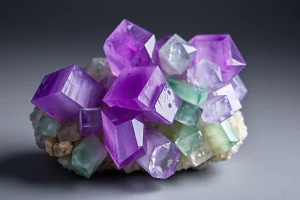
- Dogtooth Calcite – rhombohedral crystals with a pointed termination, typically white to gray.
- Mexican Calcite – vivid orange, red, or pink masses from the state of Puebla.
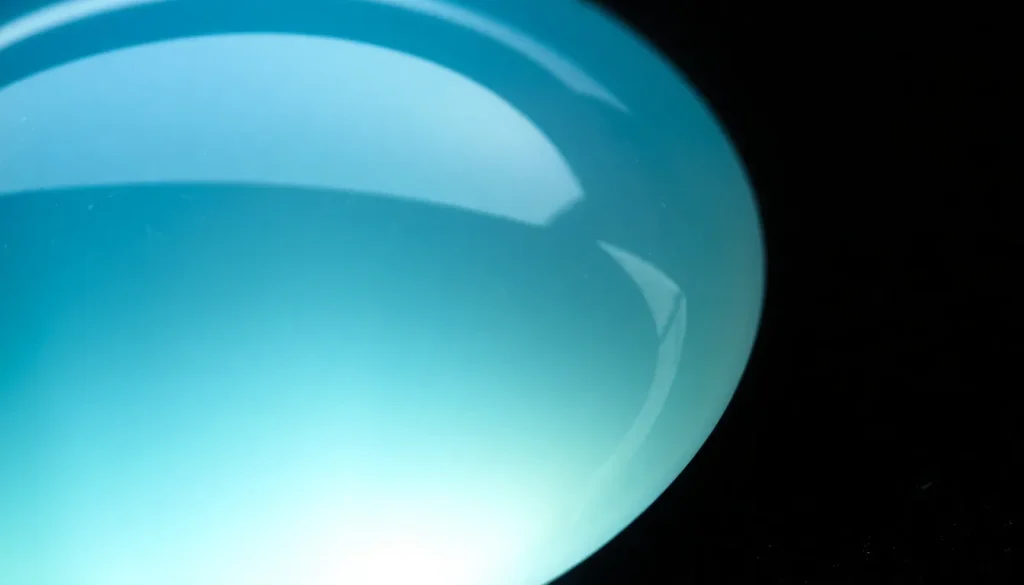
- Blue Calcite – ranges from pale sky‑blue to deep turquoise, often sourced from Madagascar.
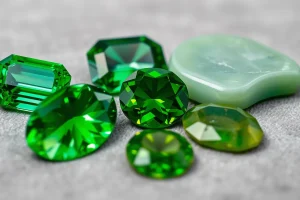
- Green Calcite – includes the rare “Hydrothermal Green” variety with a striking emerald hue.
Jewelry Uses and Care
Calcite is used in earrings, pendants, bracelets, and cabochon settings. Because its hardness is only 3 on the Mohs scale, it is relatively soft and prone to scratching. Its perfect cleavage also makes it vulnerable to chipping if struck. When set in protective settings (e.g., bezel or halo) and worn with care, calcite can be a beautiful addition to jewelry.
Care guidelines:
- Clean with warm, soapy water and a soft brush; avoid ultrasonic cleaners.
- Store separately from harder gemstones to prevent scratching.
- Avoid prolonged exposure to acids, acids in sweat, or harsh chemicals.
- Limit prolonged sunlight exposure for certain colored varieties, as some may fade.
Buying Guide
When selecting calcite, consider the following factors:
- Color and Transparency – vivid, even coloration and clear transparency (for varieties like Iceland Spar) increase value.
- Cut and Setting – a well‑executed cut that respects the stone’s cleavage reduces the risk of breakage.
- Treatment Disclosure – some calcite is heat‑treated or dyed; reputable sellers should disclose any enhancements.
- Origin – provenance from renowned localities (e.g., Madagascar blue calcite) can add desirability.
- Certification – for high‑value pieces, request a gemological report from a recognized laboratory.
FAQ
What is calcite good for?
Calcite is valued for its wide color range in jewelry, its use as a decorative stone, and, in traditional crystal lore, for enhancing mental clarity and emotional balance.
Is calcite rare?
Calcite is abundant worldwide, but high‑quality, vivid, and transparent varieties (such as Iceland Spar) are less common and can command higher prices.
How can you tell if calcite is real?
Real calcite exhibits perfect rhombohedral cleavage, a relatively low hardness (Mohs 3), and a white streak. Professional testing, such as a refractive index measurement, can confirm authenticity.
What chakra is calcite associated with?
In crystal‑healing traditions, calcite is most commonly linked to the Throat (Vishuddhi) chakra, and sometimes to the Crown chakra.
How should you clean calcite?
Gently wash calcite with warm, mildly soapy water and a soft brush. Avoid ultrasonic cleaners, harsh chemicals, and prolonged exposure to acids or high heat.
Leave a Reply