
Short Answer
Overview
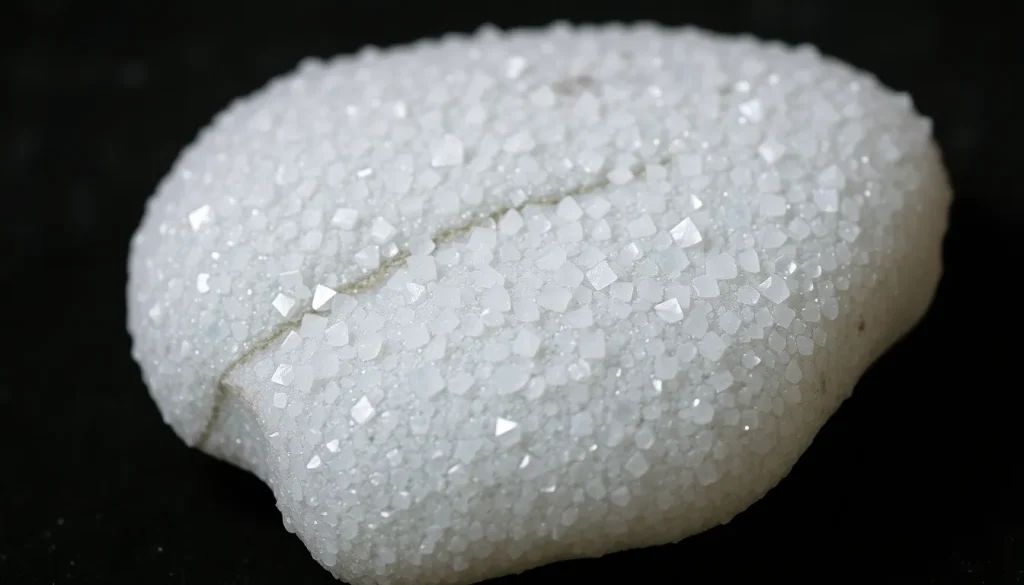
Druzy (also spelled druze) refers to a coating of tiny, well‑formed crystals that grow on the surface of a host mineral or rock. The crystals are typically less than a millimeter in size and create a sparkling, glittering effect that resembles frost or a field of tiny gems. While the term is most often applied to quartz druzy, similar crusts can form on calcite, fluorite, and other mineral substrates.
History and Origin
The word “druzy” originates from the French druze, meaning “glittering” or “shimmering”. Historically, druzy specimens were collected from natural caves, riverbeds, and volcanic tuff where mineral‑rich fluids seeped and deposited crystal layers. In the 19th century, miners and lapidaries began cutting and polishing druzy‑covered stones for ornamental use, and the material gained popularity in Art Deco jewelry for its brilliant surface sparkle.
Meaning and Symbolism
In traditional gemstone lore, druzy is said to embody clarity, illumination, and the ability to reflect inner light. Its multitude of tiny facets is often interpreted as a symbol of many possibilities or a reminder to see the beauty in small details. The variety of colors allows it to be associated with different emotional tones, from calming blues to energizing reds.
Healing and Metaphysical Properties
According to crystal‑healing traditions, druzy is believed to amplify the energies of the underlying mineral while adding a gentle, uplifting vibration. Practitioners claim that quartz druzy promotes mental clarity and spiritual insight, while calcite druzy is thought to support emotional balance. These beliefs are not scientifically proven and should not replace professional medical advice.
Varieties and Types
Druzy can occur on a wide range of host minerals, resulting in several recognizable varieties:
- Quartz Druzy – Clear or milky white crystals on quartz; the most common type.
- Calcite Druzy – Often pink, orange, or white, forming on calcite nodules.
- Fluorite Druzy – Vibrant blues, greens, or purples, typically found in volcanic environments.
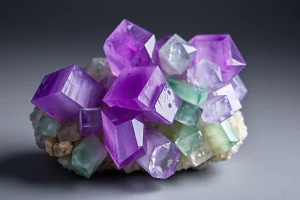
- Amethyst Druzy – Deep violet crystals that create a rich, regal appearance.
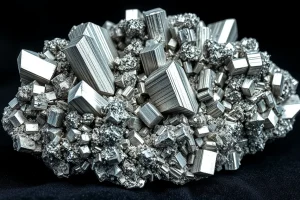
- Gold‑Sheen Druzy – Thin layers of metallic‑looking crystals, sometimes mistaken for pyrite.
Each variety inherits the physical properties of its host mineral, while the surface crystals contribute additional sparkle.
Jewelry Uses and Care
Druzy is popular in pendants, earrings, bracelets, and watch bezels because the crystal coating catches light from many angles. It is often set in metal frames that protect the delicate surface. Care recommendations include:
- Clean with a soft, lint‑free cloth; for deeper cleaning, use mild soapy water and a soft brush.
- Avoid ultrasonic cleaners, which can dislodge loosely attached crystals.
- Store separately from harder gemstones to prevent abrasion.
- Keep away from harsh chemicals, especially acids, which may dissolve certain host minerals like calcite.
Buying Guide
When purchasing druzy, consider the following factors:
- Host Mineral – Determines hardness, durability, and long‑term care needs.
- Crystal Density – A higher concentration of surface crystals generally indicates better visual impact.
- Color Consistency – Look for even coloration; uneven patches may indicate natural variation or treatment.
- Cut and Setting – Well‑cut stones showcase the sparkle; protective settings help preserve the coating.
- Certification – Reputable dealers may provide gem‑ological reports confirming the mineral host and any treatments.
Because druzy is a surface phenomenon rather than a distinct mineral, authenticity is best verified by a qualified gemologist.
FAQ
What is druzy good for?
Druzy is prized for its sparkling appearance in jewelry and decorative items; traditionally it is also believed to promote clarity and amplify the energies of its host mineral.
Is druzy rare?
Rarity depends on the quality of the crystal coating, color, and the host mineral. High‑density, uniformly colored druzy on fine quartz is less common than lower‑grade specimens.
How can you tell if druzy is real?
Examine the stone under magnification: natural druzy shows irregular, well‑formed crystals with varied orientations. Synthetic or plated surfaces often appear uniform and may feel smoother. Professional gemological testing confirms authenticity.
What chakra is druzy associated with?
In crystal‑healing traditions druzy is sometimes linked to the Crown chakra for its reflective qualities, though there is no universally accepted association.
How should you clean druzy?
Use a soft, lint‑free cloth or a gentle brush with mild soapy water. Avoid ultrasonic cleaners and harsh chemicals, especially if the host mineral is calcite, which can be damaged by acids.
Leave a Reply