
Short Answer
Overview
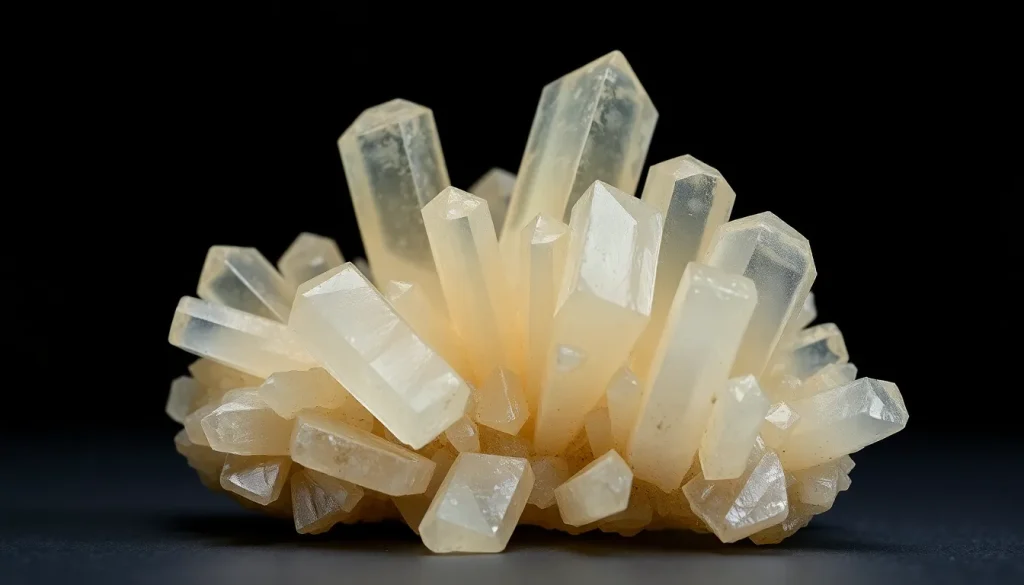
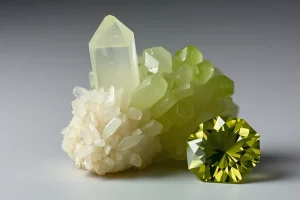
Hardystonite is a calcium‑zinc sorosilicate mineral (chemical formula Ca₂ZnSi₂O₇·H₂O) that forms tetragonal crystals with a vitreous to pearly luster. It occurs most often in the Franklin‑type zinc ore deposits of Missouri, USA, and is prized by collectors for its clear to pale‑colored crystals and occasional pink, brown, or gray tones. With a Mohs hardness of 5.5–6, hardystonite is suitable for limited jewelry applications, especially as accent stones in pendants or earrings.
History and Origin
Hardystonite was first described in 1888 from specimens collected in the Franklin mining district of St. Francois County, Missouri. The name derives from the Hardyston Mine in the same region where the mineral was initially identified. Since its discovery, hardystonite has been reported from several other zinc‑rich localities, including Belgium, Germany, Italy, and Japan, where similar hydrothermal conditions produced the mineral.
Meaning and Symbolism
In traditional gemstone lore, hardystonite is associated with clarity of thought and inner vision. Its transparent to translucent appearance is thought to reflect purity and honesty, while the occasional warm hues are linked to optimism and emotional balance. Collectors often view hardystonite as a symbol of resilience, reflecting its formation in the high‑temperature, zinc‑rich environments of ore deposits.
Healing and Metaphysical Properties
Crystal‑healing practitioners attribute several metaphysical qualities to hardystonite. It is believed to enhance mental focus, aid in decision‑making, and promote spiritual insight. Some claim it supports the crown chakra, encouraging a connection to higher consciousness. As with all crystal therapies, these properties are based on tradition and should not replace professional medical advice.
Varieties and Types
Hardystonite exhibits a range of colors depending on trace impurities and the surrounding matrix:
- Colorless/White: The most common and highly valued for its clarity.
- Pale Yellow: Resulting from minor iron or manganese inclusions.
- Pink to Brown: Caused by trace manganese or iron, often found in association with fluorite.
- Gray: Typically due to surface oxidation or intergrowth with other zinc minerals.
Hardystonite can occur as well‑formed individual crystals, as drusy coatings on other minerals, or as aggregates embedded in fluorite or calcite host rocks.
Jewelry Uses and Care
Because of its moderate hardness and perfect basal cleavage, hardystonite is used sparingly in jewelry. When set as a small accent stone, it adds a subtle sparkle without risking damage. Care recommendations include:
- Clean with lukewarm water and a soft brush; avoid ultrasonic cleaners.
- Do not expose to harsh chemicals, acids, or prolonged sunlight, which can alter surface luster.
- Store separately from harder gemstones to prevent scratching.
- Inspect settings regularly for any signs of cleavage or fracture.
Buying Guide
When purchasing hardystonite, consider the following factors:
- Color and Clarity: Transparent, colorless stones with minimal inclusions command higher value.
- Cut and Faceting: Well‑cut stones display better brilliance; avoid heavily faceted pieces that may exploit cleavage.
- Origin Documentation: Reputable dealers will provide provenance, especially for specimens from the Franklin district.
- Treatment Disclosure: Natural hardystonite is rarely treated, but be aware of any claimed enhancements.
- Certification: For larger or high‑value stones, request a gemological report from a recognized laboratory.
Because hardystonite is not a common commercial gemstone, prices vary widely based on quality, size, and rarity of color.
FAQ
What is hardystonite good for?
Hardystonite is valued by collectors for its clear to pale‑colored crystals and occasional pink hues. Traditionally, it is believed to aid mental clarity and spiritual insight, but it has no proven medical benefits.
Is hardystonite rare?
High‑quality, colorless hardystonite from classic localities like Franklin, Missouri, is relatively rare, while lower‑grade or colored material is more common. Rarity depends on crystal size, clarity, and natural color.
How can you tell if hardystonite is real?
Real hardystonite displays a vitreous to pearly luster, perfect basal cleavage, and a Mohs hardness of 5.5–6. It will have a white streak and may show tetragonal crystal forms. Professional gemological testing (e.g., refractive index measurement) confirms authenticity.
What chakra is hardystonite associated with?
In crystal‑healing traditions, hardystonite is linked to the Crown Chakra, supporting higher consciousness and spiritual connection.
How should you clean hardystonite?
Clean hardystonite gently with lukewarm water, mild soap, and a soft brush. Avoid ultrasonic cleaners, harsh chemicals, and prolonged exposure to sunlight. Store separately to prevent scratches from harder stones.
Leave a Reply