Short Answer
Overview
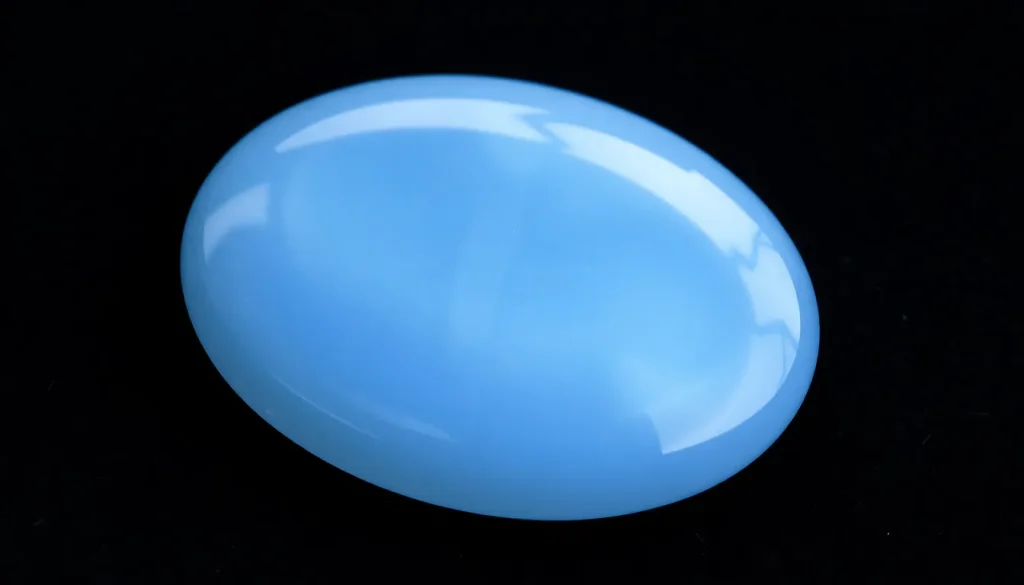
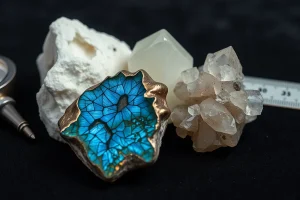
Chalcedony is a cryptocrystalline variety of quartz composed of intergrowths of the minerals quartz (SiO2) and moganite. It displays a waxy to vitreous luster and occurs in a broad spectrum of pastel hues, from milky white to blue, gray, green, pink, and brown. Unlike transparent crystal quartz, chalcedony is typically translucent to opaque and is often cut into cabochons or beads for decorative purposes.
History and Origin
Chalcedony has been used by ancient cultures for thousands of years. Early Egyptian artisans fashioned beads and amulets from blue chalcedony, while the Romans prized carnelian – the red variety – for signet rings. In the Middle Ages, chalcedony was ground into powders for cosmetics and medicinal balms. Modern mining began in the 19th century, with significant deposits identified in Brazil, Uruguay, India, and the United States (Idaho).
Meaning and Symbolism
Traditionally, chalcedony is associated with calm communication, emotional balance, and gentle confidence. Its soft colors are thought to encourage inner peace, promote harmonious relationships, and aid in expressing thoughts clearly. In many cultures, specific varieties carry additional symbolism; for example, carnelian is linked to courage and vitality, while moss agate (a green chalcedony) represents growth and renewal.
Healing and Metaphysical Properties
Within crystal‑healing traditions, chalcedony is believed to soothe anxiety, stabilize mood, and support the heart chakra. Practitioners claim it can aid in lowering blood pressure, enhancing circulation, and fostering a sense of optimism. These attributes are considered energetic rather than medical, and chalcedony should not replace professional health care.
Varieties and Types
Chalcedony encompasses many named varieties, each distinguished by color or pattern:
- Blue Chalcedony – pale to deep blue, often used in jewelry for its serene hue.
- Carnelian – rich orange‑red, valued for its warmth and historic use in signet rings.
- Sard – brownish‑red, similar to carnelian but with a darker tone.
- Moss Agate – green inclusions resembling moss, popular in ornamental carvings.
- Heliotrope (Bloodstone) – dark green with red specks, traditionally linked to protection.
- Grey Chalcedony – smoky to steel‑gray, often fashioned into minimalist modern pieces.
Jewelry Uses and Care
Because of its hardness (6.5–7 on the Mohs scale) and resistance to scratching, chalcedony is suitable for everyday wear in rings, pendants, earrings, and bracelets. The stone’s conchoidal fracture means it can be polished to a high shine without risk of cleavage. Care recommendations include:
- Clean with warm, soapy water and a soft brush; avoid ultrasonic cleaners if the piece has metal settings that could be affected.
- Dry with a lint‑free cloth; store separately from harder gemstones such as diamonds to prevent surface abrasion.
- Avoid prolonged exposure to harsh chemicals, high heat, or direct sunlight, which can fade some dyed varieties.
Buying Guide
When purchasing chalcedony, consider the following factors:
- Color Uniformity: High‑quality stones exhibit even, saturated color without cloudy inclusions.
- Clarity: Translucent specimens should be free of cracks; opaque stones may be acceptable if the color is vivid.
- Cut and Finish: Well‑polished cabochons reveal the characteristic waxy luster.
- Treatment Disclosure: Some chalcedony is heat‑treated or dyed to enhance color. Reputable dealers will disclose any treatment.
- Certification: For high‑value pieces, request a gemological report from a recognized laboratory (e.g., GIA, IGI).
Compare prices per carat based on color rarity; deep blue and vivid carnelian typically command higher prices than milky white or gray stones.
FAQ
What is chalcedony good for?
Chalcedony is prized for its smooth waxy luster in jewelry, and traditionally believed to promote calm communication and emotional balance. It is also used in decorative carvings and as a collector's stone.
Is chalcedony rare?
Chalcedony is relatively common, but high‑quality specimens with vivid, uniform color (e.g., deep blue or bright carnelian) are less abundant and can be more valuable. Rarity also depends on locality and whether the stone is untreated.
How can you tell if chalcedony is real?
Real chalcedony feels cool to the touch, has a waxy to vitreous luster, and displays a conchoidal fracture when broken. A professional gemological test, such as refractive index measurement or spectroscopy, can confirm authenticity and detect treatments.
What chakra is chalcedony associated with?
In crystal‑healing traditions, chalcedony is most commonly linked to the Heart chakra, supporting love and emotional balance; some sources also associate it with the Throat chakra for clear communication.
How should you clean chalcedony?
Clean chalcedony with warm, soapy water and a soft brush, then pat dry with a lint‑free cloth. Avoid ultrasonic cleaners if the piece contains metal settings, and keep it away from harsh chemicals, extreme heat, and prolonged sunlight.
Leave a Reply