
Short Answer
Overview
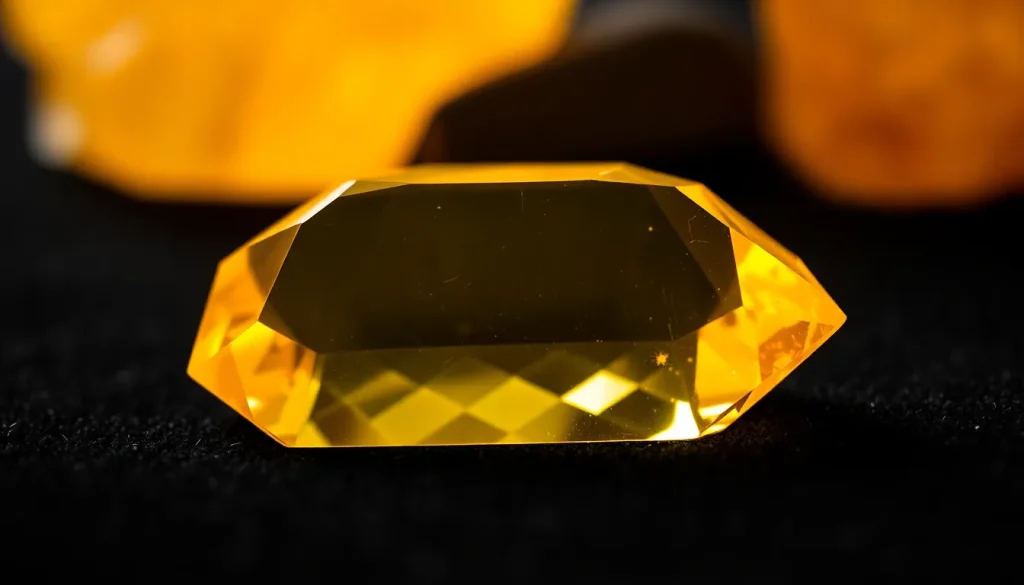
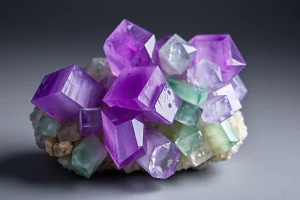
Anglesite is the natural mineral form of lead(II) sulfate (PbSO4). It crystallises in the orthorhombic system and is best known for its high specific gravity, adamantine luster, and a colour palette that spans from colourless to bright yellow, orange, and brown hues. While not a traditional gemstone in mainstream jewellery, anglesite is prized by collectors for its well‑formed crystals and occasional use in high‑end ornamental pieces.
History and Origin
The name “anglesite” derives from the English village of Anglesey in Wales, where the mineral was first described in the early 19th century. It typically forms as a secondary mineral in the oxidation zones of lead‑rich ore deposits, where primary lead sulfides such as galena alter to lead sulfate through exposure to oxygen‑rich waters. Notable historic localities include the United Kingdom (Cumbria), Germany (Mansfeld), France (Le Puy‑en‑Velay), the United States (Arizona, New Mexico), Mexico, and Australia (New South Wales). Specimens from these sites are frequently displayed in mineral museums worldwide.
Meaning and Symbolism
In folklore and contemporary crystal‑healing circles, anglesite is associated with clarity, transformation, and the release of old patterns. Its bright, almost luminous colour is said to symbolise illumination of the mind and the unveiling of hidden truths. Because the stone originates from lead ore, some traditions link it to the concept of “weight” – a metaphor for grounding, responsibility, and the ability to bear burdens with dignity.
Healing and Metaphysical Properties
Traditional crystal‑healing beliefs attribute the following properties to anglesite:
- Grounding and Stability: Thought to anchor the wearer’s energy to the Earth, helping to stay present and focused.
- Emotional Release: Said to assist in letting go of repressed emotions, encouraging honest self‑expression.
- Clarity of Thought: Believed to sharpen mental perception and support decision‑making.
- Physical Support: Some practitioners claim it may aid the skeletal system and help with calcium metabolism, though these claims are not medically verified.
These attributes are based on longstanding metaphysical traditions and should not be taken as medical advice. Individuals seeking health treatment should consult qualified healthcare professionals.
Varieties and Types
Anglesite occurs in several visual varieties, primarily distinguished by colour and crystal habit:
- Transparent/Colourless Anglesite: Clear, glass‑like crystals often prized for their brilliance.
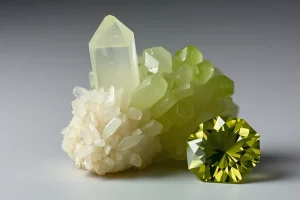
- Yellow to Orange Anglesite: Colour is imparted by trace iron or manganese impurities; these are the most commonly marketed “gem” forms.
- Brown/Red Anglesite: Darker hues result from additional mineral inclusions or oxidation.
- Crystal‑Form Anglesite: Well‑developed orthorhombic prisms, tabular or tabular‑dipyramidal crystals that display excellent cleavage on {001}.
Synthetic anglesite can be produced for scientific study, but natural specimens remain the focus of gem collectors.
Jewelry Uses and Care
Because of its relatively low hardness (2.5–3 on the Mohs scale) and perfect cleavage, anglesite is unsuitable for everyday wear rings or bracelets that are subject to abrasion. However, it is sometimes set in pendants, earrings, or brooches where the stone is protected by a bezel or mounted in a way that minimises impact.
Care recommendations:
- Cleaning: Use a soft, lint‑free cloth. For deeper cleaning, a mild soap solution and a soft brush are acceptable. Avoid ultrasonic cleaners and steam because the stone can fracture.
- Storage: Keep pieces separate from harder gemstones (e.g., quartz, topaz) to prevent scratching or chipping. Store in a padded compartment or a soft pouch.
- Handling: Because anglesite contains lead, handling should be limited to short periods, and washing hands after contact is advisable.
- Avoid Heat: High temperatures can cause thermal shock and lead to cleavage fracture.
Buying Guide
When purchasing anglesite, consider the following factors:
- Color Saturation: Bright, evenly distributed colour is generally more valuable than pale or unevenly coloured stones.
- Clarity: Inclusions are common; however, large fractures or cloudiness reduce aesthetic appeal.
- Cut and Faceting: Well‑cut stones that maximise brilliance without excessive thinning are preferred.
- Origin Documentation: Reputable dealers will provide locality information and, where possible, mineralogical certification.
- Treatment Disclosure: Anglesite is rarely treated, but any artificial enhancement (e.g., heating) should be disclosed.
Because the mineral contains lead, ensure that any jewellery piece complies with local safety regulations, especially for children’s wear.
FAQ
What is Anglesite good for?
Anglesite is valued by collectors for its bright colour and crystal habit, and it is sometimes set in pendants or earrings. Traditional beliefs attribute grounding, emotional release, and mental clarity properties, but these are not medically proven.
Is Anglesite rare?
High‑quality, vividly coloured Anglesite crystals are relatively uncommon because the mineral forms in limited oxidation zones and is soft and fragile. However, the mineral itself is not extremely rare, and modest specimens are available from several mining districts.
How can you tell if Anglesite is real?
Real Anglesite feels heavy for its size (high specific gravity) and displays perfect cleavage on {001}. A professional gemologist can confirm its identity with a refractive index measurement (≈1.93) and X‑ray diffraction. Simple tests like a streak (white) and hardness (2.5‑3) help, but lab verification is recommended.
What chakra is Anglesite associated with?
In crystal‑healing circles Anglesite is sometimes linked to the Root Chakra because of its grounding symbolism, though no single standard chakra association exists.
How should you clean Anglesite?
Clean Anglesite gently with a soft, lint‑free cloth. For deeper cleaning, use lukewarm water with mild soap and a soft brush. Avoid ultrasonic cleaners, steam, and harsh chemicals, and store the stone separately from harder gemstones to prevent scratching.
Leave a Reply