
Short Answer
Overview
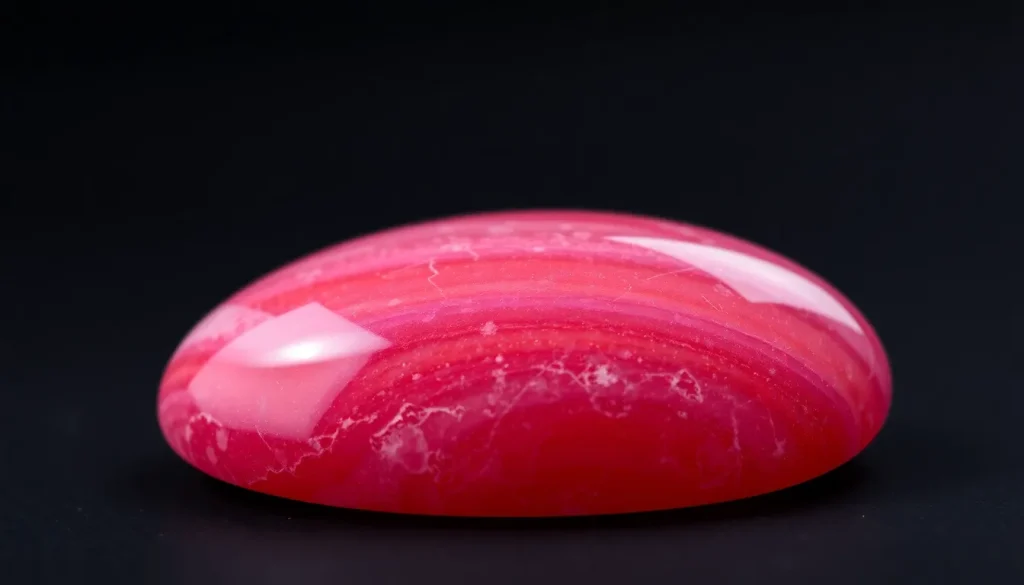
Rhodochrosite is the natural mineral form of manganese carbonate (MnCO₃). It crystallises in the trigonal (rhombohedral) system and typically occurs as massive aggregates, nodules, or well‑formed rhombohedral crystals. The stone is best known for its vivid pink to rose‑red hues, which can range from pale salmon to deep magenta.
History and Origin
The name rhodochrosite derives from the Greek words rhodos (rose) and chros (color). Historically, pink specimens from the Catamarca Province of Argentina were treasured by the Inca and later by European collectors in the 19th century. Today, major localities include Argentina, South Africa, the United States (Colorado), Peru and China. Rhodochrosite has been used in ornamental carvings, cabochons, and as a collector’s mineral for over a century.
Meaning and Symbolism
In traditional gemstone lore, rhodochrosite is associated with love, compassion, and emotional healing. It is said to open the heart, encourage self‑acceptance, and promote a sense of inner peace. The stone is often gifted to celebrate new relationships or to support personal growth.
Healing and Metaphysical Properties
Crystal‑healing practitioners believe rhodochrosite can balance the emotional body, alleviate feelings of guilt, and foster self‑worth. It is thought to stimulate the heart chakra, helping the wearer release old emotional patterns. These claims are based on folklore and should not replace professional medical advice.
Varieties and Types
- Inca Rose – High‑quality, deep‑pink material from Argentina, prized for its uniform color and translucency.
- Banded Rhodochrosite – Exhibits striking pink and white banding, often used in ornamental objects.
- Massive Rhodochrosite – Rough, opaque nodules that are commonly cut into cabochons.
- Heat‑treated Rhodochrosite – Some specimens are gently heated to enhance pink saturation; treatment should be disclosed.
Jewelry Uses and Care
Because rhodochrosite rates 3.5–4.5 on the Mohs scale, it is best suited for earrings, pendants, and brooches where it is protected from heavy impact. It can be cut into cabochons, beads, and carved cameos. The stone’s perfect basal cleavage makes it vulnerable to splitting, so setting should avoid excessive pressure.
Care guidelines:
- Clean with a soft, lint‑free cloth; mild soap and lukewarm water are acceptable.
- Avoid ultrasonic cleaners and steam, which can cause micro‑fractures.
- Store separately from harder gemstones to prevent scratching.
- Do not expose to harsh chemicals or prolonged sunlight, which may fade untreated specimens.
Buying Guide
When selecting rhodochrosite, consider the following factors:
- Color intensity: Deep, even pinks are most valuable; uneven or brownish tones lower price.
- Clarity: Translucent stones with minimal inclusions command higher fees.
- Cut and polish: Well‑polished cabochons showcase the stone’s luster; rough pieces are priced for carving.
- Treatment disclosure: Ask whether the stone has been heat‑treated or dyed; untreated material is preferred by collectors.
- Certification: Reputable dealers provide GIA or IGI reports confirming authenticity and any treatments.
Purchasing from established gem dealers and requesting return policies ensures confidence in the quality of your rhodochrosite.
FAQ
What is rhodochrosite good for?
Rhodochrosite is prized for its vivid pink color in jewelry and ornamental objects. Traditionally, it is believed to promote love, emotional balance, and self‑acceptance, though these claims are not medically proven.
Is rhodochrosite rare?
High‑quality, deep‑pink rhodochrosite from classic localities like Argentina is relatively scarce, while lighter or banded material is more common. Rarity depends on color, clarity, and whether the stone is untreated.
How can you tell if rhodochrosite is real?
Real rhodochrosite feels cool to the touch, displays a vitreous to pearly luster, and has a white streak. It may exhibit perfect basal cleavage. Professional gemologists can confirm authenticity with refractive index measurement and spectroscopy.
What chakra is rhodochrosite associated with?
In crystal‑healing traditions rhodochrosite is most often linked to the Heart (Anahata) chakra, where it is said to encourage compassion and emotional healing.
How should you clean rhodochrosite?
Clean rhodochrosite gently with a soft cloth and lukewarm soapy water. Avoid ultrasonic cleaners, steam, and harsh chemicals. Store separately from harder gemstones to prevent scratches.
Leave a Reply