
Short Answer
Overview
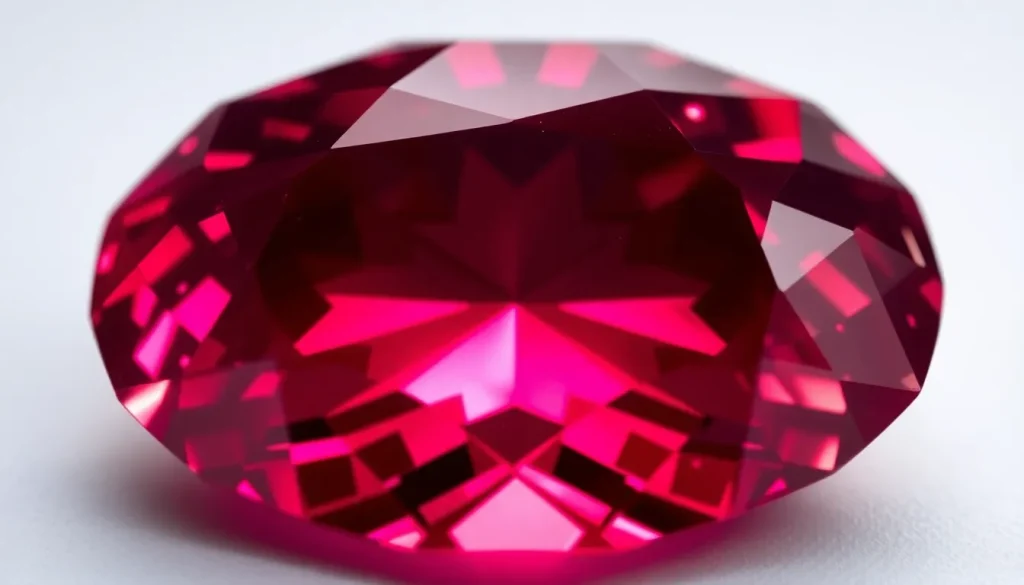
Fluor‑liddicoatite is a fluorine‑rich variety of the tourmaline group, belonging to the complex cyclosilicate series known as tourmalines. Chemically it is a sodium‑calcium‑lithium‑aluminum borosilicate with dominant fluorine in the anion site. The stone is most celebrated for its intense pink to red coloration, although it can also occur in orange, green, blue, yellow, or colourless forms. With a hardness of 7–7.5 on the Mohs scale and a vitreous luster, fluor‑liddicoatite is suitable for a wide range of jewelry applications.
History and Origin
The name “liddicoatite” honors Arthur D. Liddicoat, an influential gemologist and author of the Gemology Handbook. The fluorine‑dominant member of this species, fluor‑liddicoatite, was later identified by mineralogists who noted its distinct chemical composition and deeper pink hues. Significant deposits have been documented in Brazil (especially Minas Gerais), Mozambique, Madagascar, Afghanistan, Pakistan, Namibia, and the United States (California). These localities continue to supply material for both gem and collector markets.
Meaning and Symbolism
In traditional gemstone lore, pink tourmalines—including fluor‑liddicoatite—are linked to love, compassion, and emotional balance. They are said to encourage openness in relationships and to support the heart’s energy. Many attribute to the stone the ability to soften emotional wounds and promote self‑acceptance.
Healing and Metaphysical Properties
Within crystal‑healing circles, fluor‑liddicoatite is believed to stimulate the Heart (Anahata) chakra, fostering emotional healing and nurturing. Practitioners claim it can help release past traumas, enhance forgiveness, and attract affectionate relationships. These properties are described as traditional beliefs and are not intended as medical advice.
Varieties and Types
Fluor‑liddicoatite belongs to the broader tourmaline family, which includes many colour‑specific varieties:
- Rubellite – red to pink tourmaline with manganese as the colourant.
- Indicium – deep blue to indigo tourmaline.
- Verdelite – bright green tourmaline, lithium‑rich.
- Elbaite – the general species name for the complex lithium‑rich tourmalines, of which fluor‑liddicoatite is a subgroup.
Fluor‑liddicoatite is distinguished by its strong pleochroism, often showing a brighter pink when viewed along one crystallographic axis and a softer hue from another direction.
Jewelry Uses and Care
Because of its durability and attractive colour, fluor‑liddicoatite is commonly cut into faceted gems for rings, earrings, pendants, and bracelets. When set in protective settings—such as bezel or halo—it resists scratching and everyday wear.
Care recommendations:
- Avoid prolonged exposure to harsh chemicals, bleach, or strong acids.
- Clean with warm, soapy water and a soft brush; a microfiber cloth can be used for polishing.
- Ultrasonic cleaning is generally safe but should be limited to low‑intensity cycles to prevent potential fracture in heavily included stones.
- Store separately from softer gemstones (e.g., opal, pearl) to avoid scratching.
Buying Guide
When selecting fluor‑liddicoatite, consider the following factors:
- Colour intensity: The most valuable stones display a vivid, saturated pink‑red without brown or gray overtones.
- Clarity: Minor inclusions are common; however, stones with a clear, glassy appearance command higher prices.
- Cut: Well‑proportioned cuts enhance pleochroism and brilliance.
- Treatment: Some pink tourmalines are heat‑treated to improve colour. Request a full disclosure from the seller.
- Certification: Reputable labs such as GIA, IGI, or the International Gem Society can provide a gemstone report confirming identity and any treatments.
Purchasing from established dealers who can provide provenance and treatment information will help ensure you receive a genuine, high‑quality fluor‑liddicoatite.
FAQ
What is fluor‑liddicoatite good for?
Fluor‑liddicoatite is valued for its vivid pink‑red color in fine jewelry and, in crystal‑healing traditions, for promoting emotional balance and heart‑chakra activation. It is not a medical remedy.
Is fluor‑liddicoatite rare?
High‑quality, vivid pink‑red fluor‑liddicoatite is relatively rare, especially when free of treatment. The stone occurs in several countries, but fine specimens are limited compared with more common tourmaline colors.
How can you tell if fluor‑liddicoatite is real?
Authentic fluor‑liddicoatite exhibits a hardness of 7‑7.5, a vitreous luster, and characteristic pleochroism. Professional testing—such as spectroscopy, refractive‑index measurement, and a gemological report—provides definitive verification.
What chakra is fluor‑liddicoatite associated with?
Traditionally, pink tourmaline varieties like fluor‑liddicoatite are linked to the Heart (Anahata) chakra in crystal‑healing belief systems.
How should you clean fluor‑liddicoatite?
Clean with warm, mildly soapy water and a soft brush, then dry with a microfiber cloth. Avoid harsh chemicals and limit ultrasonic cleaning to low‑intensity cycles. Store separately from softer gems to prevent scratching.
Leave a Reply