
Short Answer
Overview
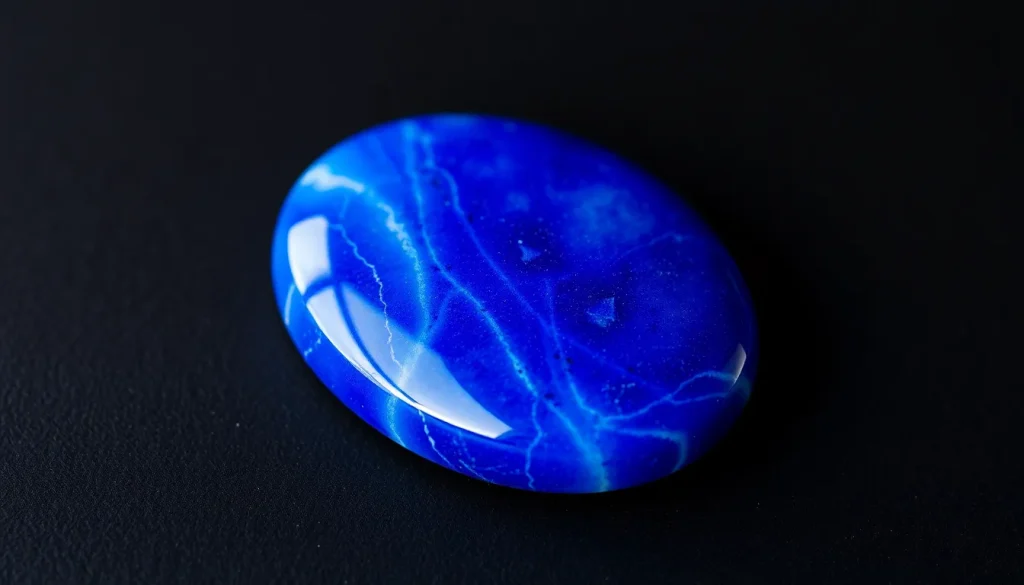
Azurite is a copper carbonate mineral known for its intense azure‑blue coloration. Chemically it is Cu3(CO3)2(OH)2 and belongs to the monoclinic crystal system. Though relatively soft (Mohs 3.5–4), azurite is valued as a gemstone, ornamental stone, and historical pigment.
History and Origin
Historically, azurite was mined as a source of blue pigment for paintings, manuscripts, and ceramics. Ancient Egyptians, Romans, and medieval European artists prized the mineral for its vivid hue. In the 19th century, large deposits were documented in the Moroccan Atlas Mountains, leading to its use in decorative cabochons and cameos. Today, azurite is still extracted from several locales worldwide, often occurring alongside its green counterpart, malachite.
Meaning and Symbolism
Traditional gemstone lore associates azurite with insight, communication, and spiritual awakening. Its deep blue is thought to represent the sky and the realm of higher thought, encouraging clarity of mind and truth‑telling. In many cultures, azurite is presented as a talisman for honest expression and intellectual development.
Healing and Metaphysical Properties
Within crystal‑healing circles, azurite is believed to stimulate the Third Eye and Throat chakras, fostering intuition, psychic perception, and clear communication. Practitioners claim it can help release mental blockages, enhance meditation, and support the recall of past lives. These properties are based on traditional beliefs and should not be taken as medical advice.
Varieties and Types
Azurite commonly occurs as prismatic crystals, massive aggregates, or botryoidal (grape‑like) formations. The most recognizable form is a deep, uniform blue, though specimens may display:
- Azurite‑malachite pseudomorphs: where azurite crystals replace malachite, creating striking blue‑green banding.
- Azurochroite: a rare, finely banded variety with alternating blue and green layers.
- Polished cabochons: cut and polished stones used in jewelry, often stabilized to improve durability.
Jewelry Uses and Care
Because of its softness and perfect cleavage, azurite is best suited for pendants, earrings, and brooches where it is not subjected to heavy impact. It is frequently set in protective bezels or mounted in protective resin. Care guidelines include:
- Avoid exposure to acids, perspiration, and harsh chemicals; azurite can react and lose color.
- Clean gently with a soft, dry cloth; if necessary, use lukewarm water and a mild soap, then dry immediately.
- Store separately from harder gemstones to prevent scratching.
- Consider stabilizing treatments for pieces intended for frequent wear.
Buying Guide
When selecting azurite, consider the following factors:
- Color intensity: Deep, uniform blue without excessive green overtones is most prized.
- Clarity: Inclusions are common; however, large fractures or heavy veining can weaken the stone.
- Cut and setting: Look for protective settings that minimize stress on the stone.
- Treatment disclosure: Stabilization or resin coating should be disclosed by the seller.
- Origin: Reputable sources from Morocco, Namibia, or the United States often guarantee quality.
Always request a gem‑ological report for high‑value pieces and purchase from a reputable dealer who offers a return policy.
FAQ
What is azurite good for?
Azurite is valued for its vivid blue color in jewelry and decorative objects, and traditionally believed to aid communication, intuition, and mental clarity. Its historical use as a pigment also makes it significant in art history.
Is azurite rare?
High‑quality, deep‑blue azurite is less common than many other gemstones. While the mineral occurs in several countries, large, flawless crystals are rare, and many specimens are treated for stability, affecting overall rarity.
How can you tell if azurite is real?
Real azurite feels relatively soft (Mohs 3.5‑4) and may exhibit perfect cleavage. It displays a characteristic deep blue with a light‑blue streak. Professional gemologists use refractive index measurements and spectroscopy to confirm authenticity.
What chakra is azurite associated with?
In crystal‑healing traditions, azurite is most commonly linked to the Throat (Vishuddhi) chakra and also to the Third Eye (Ajna) chakra, supporting clear expression and intuitive insight.
How should you clean azurite?
Because azurite is soft and can be affected by acids, clean it gently with a soft dry cloth. If needed, use lukewarm water with mild soap, rinse quickly, and pat dry. Avoid ultrasonic cleaners and harsh chemicals.
Leave a Reply