
Short Answer
Overview
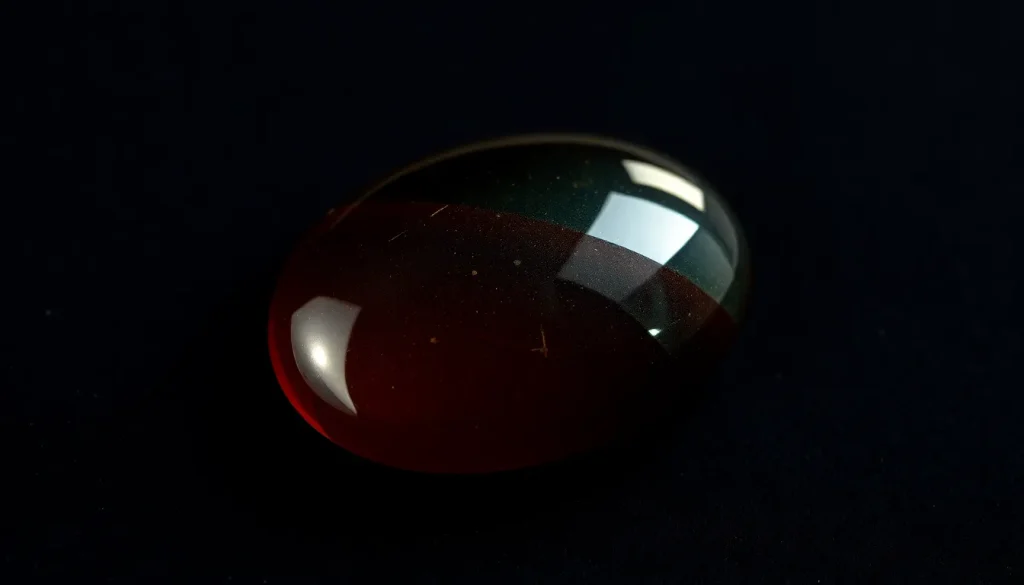
Nambulite is a manganese‑rich sorosilicate mineral that occurs in dark brown to blackish‑brown hues, sometimes showing a subtle greenish tint. It crystallises in the monoclinic system and is characterised by a vitreous to sub‑metallic luster. Because of its modest hardness (5.5–6 on the Mohs scale) and perfect cleavage on one plane, it is used sparingly in jewelry, typically as cabochons or beads. The stone is valued by collectors for its rarity and distinctive colour.
History and Origin
The mineral was first described in 1970 from specimens discovered in the Nambula region of South Africa, after which it was named. Subsequent occurrences have been reported from the Kola Peninsula in Russia, several localities in Japan, and limited reports from Canada and the United States. Research on nambulite remains relatively limited, and it is not widely mined; most available material comes from historic pegmatite and metamorphic host rocks.
Meaning and Symbolism
In contemporary gemstone lore, nambulite’s deep earthy colour is associated with stability, perseverance, and a connection to the natural world. It is thought to embody the qualities of endurance and inner strength, making it a symbolic talisman for those facing challenging life phases.
Healing and Metaphysical Properties
Traditional crystal‑healing beliefs attribute grounding and protective energies to nambulite. Practitioners claim it can help balance the root chakra, promote emotional resilience, and assist in releasing old patterns. These statements reflect cultural and metaphysical traditions and are not medical advice.
Varieties and Types
Nambulite does not have widely recognised commercial varieties. Colour variations occur naturally, ranging from dark brown to a slightly greenish‑brown tone, depending on the specific manganese‑iron composition of the specimen. No documented treatments or enhancements are common.
Jewelry Uses and Care
Because of its moderate hardness and perfect cleavage, nambulite is best set in protective settings such as bezel or channel settings that minimise impact. It is most often fashioned into cabochons, pendants, or bead strands. Care recommendations include:
- Avoid ultrasonic or steam cleaning; use a soft, damp cloth and mild soap.
- Store separately from harder gemstones to prevent scratching.
- Protect from prolonged exposure to strong chemicals or acids.
Buying Guide
When purchasing nambulite, consider the following:
- Color and Clarity: Look for a uniform brown tone without excessive inclusions that may weaken the stone.
- Cut Quality: Cabochons with a smooth, well‑polished surface showcase the stone’s luster best.
- Certification: Request a gemological report from a reputable lab, especially if the stone is presented as a rare gemstone.
- Origin Documentation: Provenance from known localities (South Africa, Japan, Russia) adds confidence.
- Treatment Disclosure: Genuine nambulite is rarely treated; any claims of enhancement should be verified.
FAQ
What is nambulite good for?
Nambulite is prized by collectors for its rare brown colour and is occasionally used in jewelry as cabochons or beads. In crystal‑healing circles it is believed to provide grounding and emotional resilience, though these are traditional beliefs, not medical facts.
Is nambulite rare?
Yes, nambulite is considered rare. Quality material suitable for jewelry is limited to a few localities, and large, clean crystals are especially scarce.
How can you tell if nambulite is real?
Authentic nambulite displays a consistent dark brown colour, perfect cleavage on {001}, and a vitreous luster. Professional gemological testing (e.g., X‑ray diffraction or refractive index measurement) is recommended for certainty.
What chakra is nambulite associated with?
Traditional crystal‑healing sources associate nambulite with the Root (Muladhara) chakra, reflecting its grounding symbolism.
How should you clean nambulite?
Clean nambulite gently with a soft, damp cloth and mild soap. Avoid ultrasonic cleaners, steam, or harsh chemicals, and store it separately from harder gemstones to prevent scratching.
Leave a Reply