
Short Answer
Overview
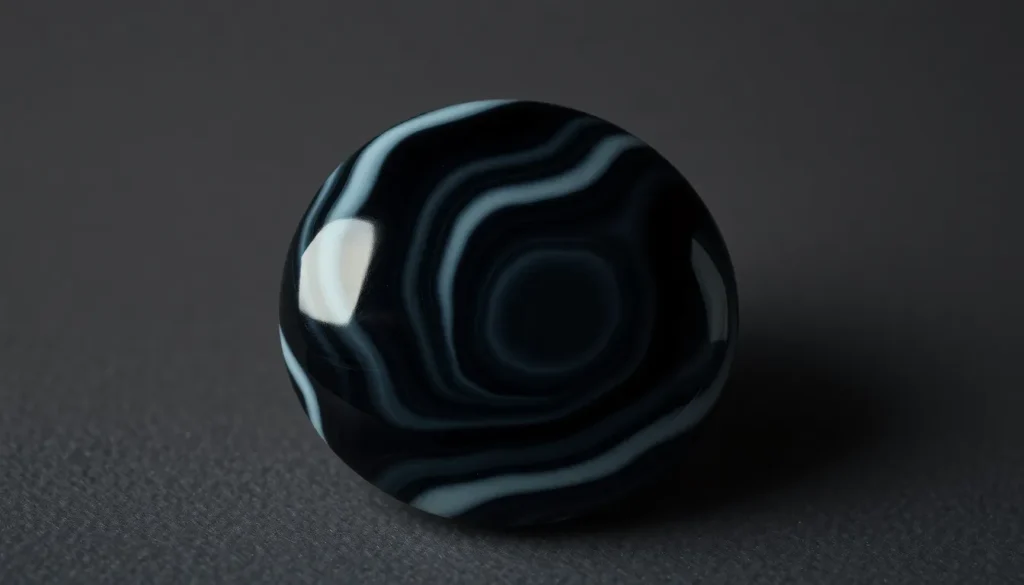
Sardonyx is a variety of chalcedony, a cryptocrystalline form of silica (SiO₂). It is distinguished by parallel bands of contrasting colors, most commonly black or deep brown alternating with white or ivory. The stone is opaque to translucent, has a waxy to silky luster, and rates 6.5–7 on the Mohs hardness scale, making it suitable for many types of jewelry.
History and Origin
The name “sardonyx” derives from the ancient Greek words sardios (a reddish-brown gemstone from Sardis) and onyx (claw). Historically, the stone was valued by the Romans and Greeks for its protective qualities and was often used in signet rings and cameos. Major sources of natural sardonyx include Brazil, India, Madagascar, Uruguay, and the United States (particularly Arizona). Modern production also includes synthetic and treated stones that replicate the characteristic banding.
Meaning and Symbolism
In traditional lore, sardonyx is associated with strength, courage, and grounding. Its bold banded pattern is said to symbolize the balance between light and darkness, encouraging the wearer to integrate opposing aspects of the self. The stone has been used as a talisman for protection against negativity and as a reminder of personal resolve.
Healing and Metaphysical Properties
Within crystal‑healing circles, sardonyx is believed to promote emotional stability, enhance self‑discipline, and aid in overcoming fear. Practitioners claim it can help anchor scattered energy, supporting the root chakra and fostering a sense of security. These claims are rooted in tradition and should not be taken as medical advice.
Varieties and Types
Sardonyx is defined by its distinctive banding, but variations exist based on the colors of the layers:
- Black and White Sardonyx – Classic contrast of deep black bands with bright white.
- Brown and White Sardonyx – Dark brown or chocolate bands paired with white.
- Red‑Band Sardonyx – Rare specimens where the darker band shows a reddish hue.
- Artificially Enhanced Sardonyx – Heat‑treated or dyed stones that intensify band colors.
Jewelry Uses and Care
Because of its durability, sardonyx is commonly cut into cabochons, beads, and signet rings. It is also used for cameos, intaglios, and ornamental objects. Care recommendations include:
- Cleaning: Use warm soapy water and a soft brush. Avoid ultrasonic cleaners if the stone has been dyed.
- Storage: Keep separate from harder gemstones (e.g., quartz, diamonds) to prevent scratching.
- Wear: Sardonyx tolerates daily wear, but prolonged exposure to harsh chemicals or high heat should be avoided.
Buying Guide
When purchasing sardonyx, consider the following factors:
- Color Contrast: High‑contrast, well‑defined bands are most valued.
- Clarity: Look for a smooth surface without cracks or inclusions that could weaken the stone.
- Cut: Cabochons should display the banding uniformly; uneven cuts may hide the characteristic pattern.
- Treatment Disclosure: Ask the seller if the stone has been heat‑treated or dyed, as this can affect value.
- Certification: For high‑value pieces, a reputable gemological laboratory report (e.g., GIA) provides assurance of authenticity.
Reputable dealers, certified gemstone fairs, and established online marketplaces are reliable sources. Always request clear photographs and return policies before finalizing a purchase.
FAQ
What is Sardonyx good for?
Sardonyx is prized for its striking banded appearance in jewelry and, in traditional beliefs, for grounding, protection, and enhancing personal resolve. It is not a substitute for medical treatment.
Is Sardonyx rare?
High‑quality sardonyx with vivid, well‑defined banding is less common than plain chalcedony, but the mineral itself is not extremely rare. Rarity depends on color contrast, clarity, and whether the stone is untreated.
How can you tell if Sardonyx is real?
Examine the banding pattern, hardness (scratch test with a steel file), and weight. Real sardonyx feels solid and has a waxy to silky luster. For certainty, seek a gemological report or professional appraisal.
What chakra is Sardonyx associated with?
Traditional crystal‑healing sources associate Sardonyx with the Root (Muladhara) chakra, believed to promote grounding and stability.
How should you clean Sardonyx?
Clean sardonyx with warm soapy water and a soft brush. Avoid harsh chemicals, ultrasonic cleaners (especially on dyed stones), and extreme heat, as these can affect surface luster or color.
Leave a Reply