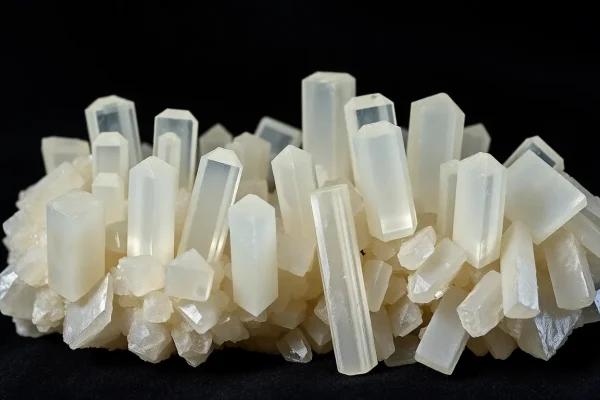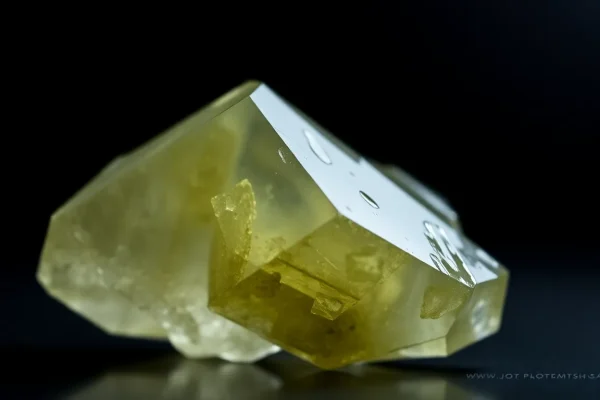
Tinaksite – Mineral and Gemstone Profile
Tinaksite is a rare sodium‑iron‑titanium silicate known for its green to brown hues, used occasionally in jewelry, and valued by collectors for its unique crystal structure.

Tinaksite is a rare sodium‑iron‑titanium silicate known for its green to brown hues, used occasionally in jewelry, and valued by collectors for its unique crystal structure.
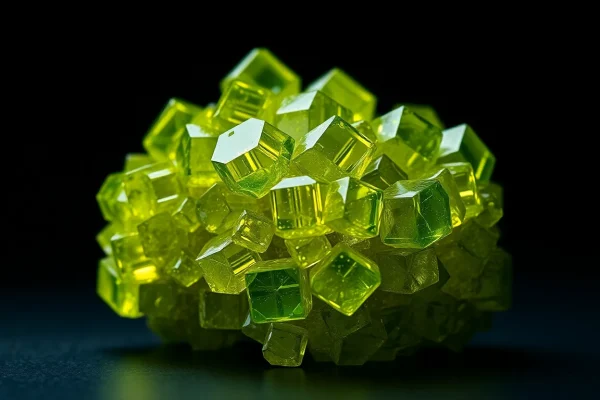
Wurtzite is a hexagonal zinc sulfide mineral known for its yellow‑green hues and occasional use in jewelry. Readers care because it offers unique color, crystal structure, and traditional meanings of communication and clarity.
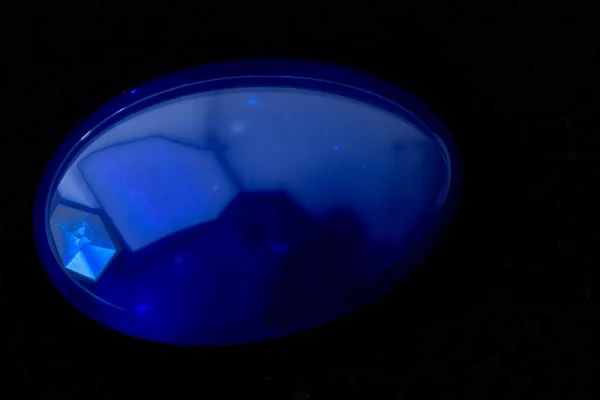
Glaucophane is a deep‑blue amphibole mineral prized in niche jewelry for its striking indigo hue. Found in metamorphic blueschist rocks, it is cut into cabochons and beads. Readers care for its unique color, mineral properties, and the lore surrounding its calming energy.
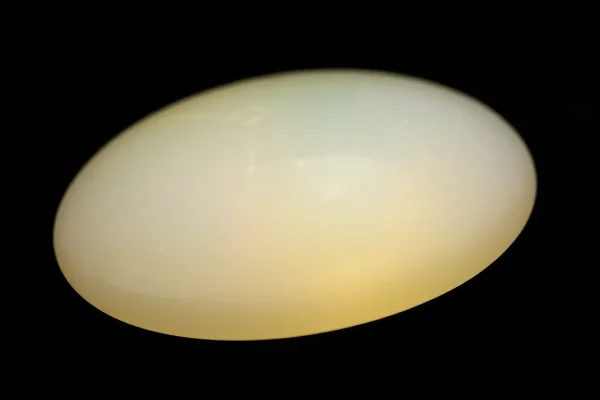
Witherite is a rare carbonate mineral composed of barium carbonate, typically appearing colorless to white with occasional pale yellow hues. It is prized by collectors and occasionally used in specialty jewelry for its high density and unique fluorescence, making it a stone of interest for both scientific and ornamental purposes.
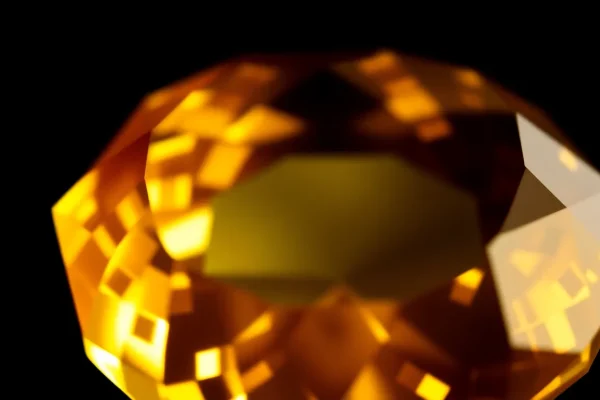
Citrine is a golden-yellow variety of quartz prized for its sunny hue and affordability. Used in jewelry and believed to carry uplifting energy, it attracts readers interested in meaning, identification, and care.
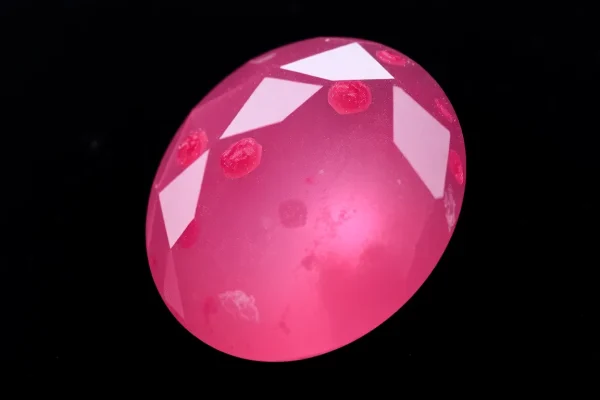
Eudialyte is a rare pink‑to‑red cyclosilicate prized for its vivid color and unique crystal habit, used in specialty jewelry and valued for its traditional metaphysical associations.
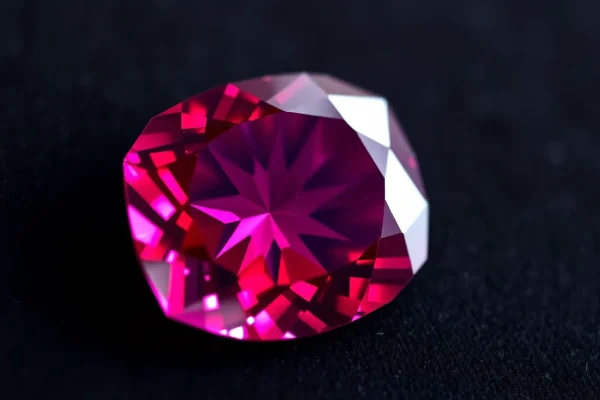
Rhodolite is a vivid pink‑red garnet prized for its rich color and durability. It is widely used in fine jewelry and is celebrated for its symbolic meanings of love and courage, making it a popular choice for collectors and designers alike.
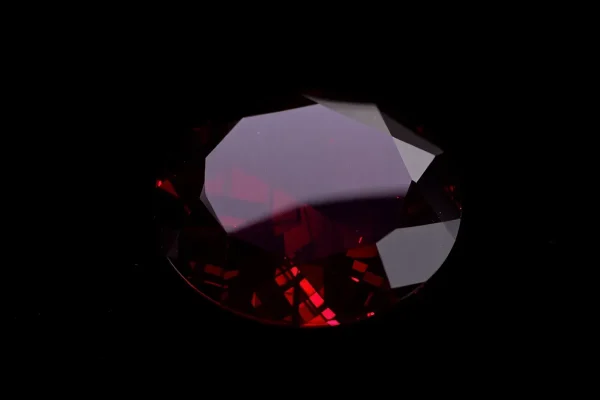
Malaia garnet is a deep‑red to purplish garnet from Tanzania, prized for its vivid color, high clarity, and durability. Readers seeking meaning, jewelry use, care tips, or buying guidance will find comprehensive information on its properties and traditional symbolism in gemstone lore.
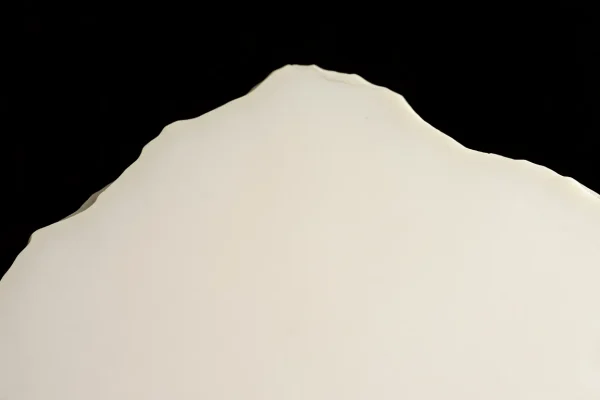
Talc is a soft magnesium silicate mineral most often found in white to grey hues and used as soapstone; readers care because it combines unique physical traits with traditional symbolic meanings and niche jewelry applications.
Leucophanite is a rare silicate mineral that can appear colourless, white, or pale yellow and is occasionally used in fine jewelry. Readers care because of its unique crystal habit, subtle beauty, and traditional meanings.