
Short Answer
Overview
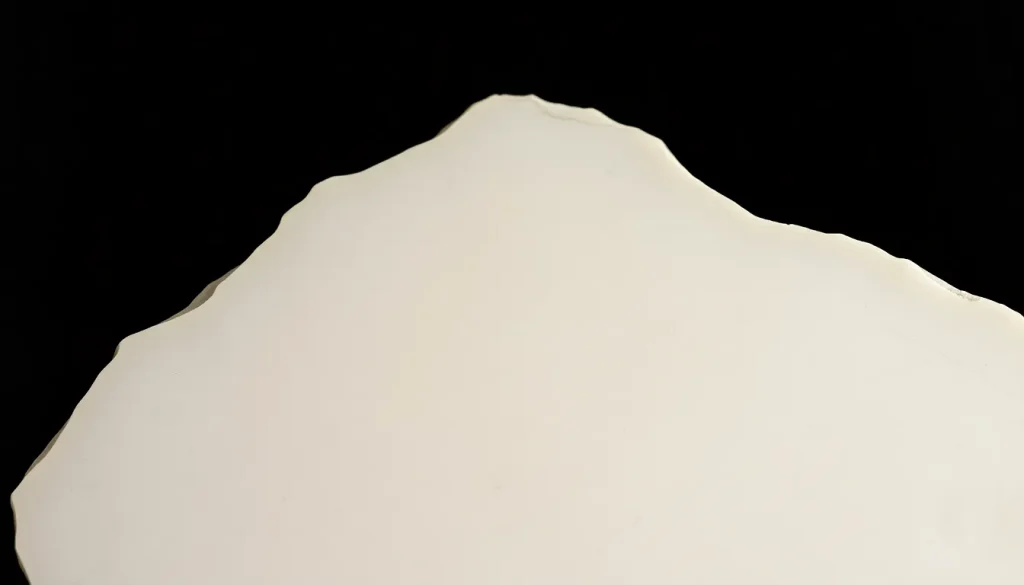
Talc is a magnesium silicate mineral with the chemical formula Mg3Si4O10(OH)2. It is the softest mineral on the Mohs scale, rating a 1, and is best known for its greasy‑to‑pearly luster and excellent basal cleavage. In massive form it is commonly called soapstone or steatite, and it is used for carving, culinary implements, and as a heat‑resistant material in industrial applications.
History and Origin
The use of talc dates back thousands of years. Ancient civilizations in the Near East and Mediterranean carved talc into vessels, figurines, and writing tablets because of its softness. In the 19th century, talc’s heat‑absorbing properties led to its adoption for laboratory crucibles and stove linings. Geologically, talc forms in metamorphic environments where magnesium‑rich rocks such as ultramafic peridotites react with silica‑bearing fluids, producing the characteristic sheet‑silicate structure.
Meaning and Symbolism
In traditional gemstone lore, talc is associated with grounding, simplicity, and emotional calm. Its muted colors are thought to encourage humility and a connection to the earth, making it a symbolic reminder to stay centered during stressful situations.
Healing and Metaphysical Properties
Crystal‑healing practitioners claim that talc can absorb negative energy, promote emotional balance, and support the physical body’s detoxification processes. It is often used in meditation to foster a sense of inner peace and to aid in the release of deep‑seated emotional patterns. These beliefs are not scientifically validated and should not replace professional medical advice.
Varieties and Types
While the mineral species is uniform, talc occurs in several commercial forms:
- Soapstone (massive talc) – dense, fine‑grained material used for carving and kitchenware.
- Steatite – a term often used for high‑purity talc employed in electrical insulators.
- Nephrite‑like talc – talc that exhibits a slight green hue, sometimes confused with the jade mineral nephrite.
Jewelry Uses and Care
Because of its extreme softness, talc is rarely used in mainstream jewelry, but it finds niche applications in artisan pieces, pendants, and carved beads where its smooth feel and matte appearance are prized. When set, talc should be protected from scratches and impact. Cleaning is simple: a soft, dry cloth or a gentle brush removes dust. Avoid ultrasonic cleaners, harsh chemicals, or prolonged exposure to water, as talc can absorb moisture and become fragile.
Buying Guide
When selecting talc for decorative or collector purposes, consider the following:
- Clarity and Color – high‑quality soapstone is typically uniformly white, pale grey, or gently greenish without visible inclusions.
- Source – reputable mines in the United States (California, New York), Canada, Italy, and China are known for consistent quality.
- Treatment Disclosure – most talc is used in its natural state; however, some pieces may be dyed or sealed to enhance color stability.
- Certification – for valuable carved objects, request a gemological report that confirms the mineral identity and any treatments.
FAQ
What is talc good for?
Talc is valued for its softness, making it ideal for carving, culinary implements, and as a heat‑resistant material. In crystal‑healing circles it is traditionally believed to promote grounding and emotional calm.
Is talc rare?
Talc is not a rare mineral; it occurs worldwide. High‑quality, uniformly colored massive talc suitable for fine carving is less common, but the mineral itself is abundant.
How can you tell if talc is real?
Real talc feels very soft (scratchable with a fingernail) and has a greasy or pearly luster. Its perfect basal cleavage allows it to split into thin sheets. For certainty, seek a gemological report or laboratory test.
What chakra is talc associated with?
In traditional crystal lore, talc is linked to the Root (Muladhara) chakra, supporting grounding and stability.
How should you clean talc?
Gently wipe talc with a soft, dry cloth or a mild brush. Avoid ultrasonic cleaners, harsh chemicals, or prolonged water exposure, as talc can absorb moisture and become fragile.
Leave a Reply