
Short Answer
Overview
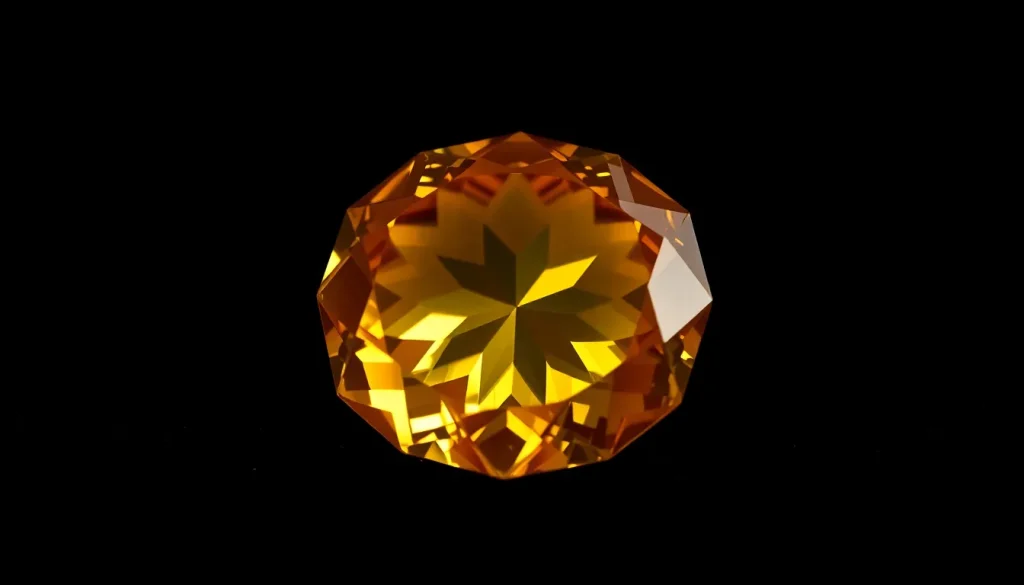
Zircon (chemical formula ZrSiO4) is a naturally occurring nesosilicate mineral prized for its high refractive index and strong dispersion, which give it a fire comparable to diamond. It occurs in a wide spectrum of colors, most commonly golden yellow, brown, green, blue, and colourless. Zircon is used both as a gemstone and as a geochronological tool for dating rocks.
History and Origin
Historical records show zircon being used in jewelry as early as the 1st millennium BC in the Middle East and South Asia. The name derives from the Arabic word zarqūn, meaning “gold‑like.” Modern gem markets source zircon from primary localities such as Australia (particularly Queensland), Cambodia, Sri Lanka, Tanzania, Mozambique, and the United States (Colorado). The mineral forms in igneous and metamorphic rocks, often as accessory crystals in granitic pegmatites.
Meaning and Symbolism
Traditional meanings attribute zircon with qualities of honesty, wisdom, and protection. In many cultures it is regarded as a stone that promotes clarity of thought and encourages moral integrity. Its brilliance has also symbolized purity and enduring love, making it a popular alternative to diamond in engagement jewelry.
Healing and Metaphysical Properties
According to crystal‑healing beliefs, zircon is thought to balance the root chakra, fostering grounding and stability, while also stimulating the solar plexus for confidence and personal power. Practitioners claim it can aid in the absorption of spiritual lessons, enhance focus, and support the body’s natural healing processes. These claims are not medical facts and should not replace professional healthcare.
Varieties and Types
- Colourless Zircon – Highly prized for its diamond‑like sparkle.
- Golden Yellow / Brown Zircon – Most abundant; often heat‑treated to improve clarity.
- Blue Zircon – Naturally occurring blue is rare; most blue stones on the market are treated.
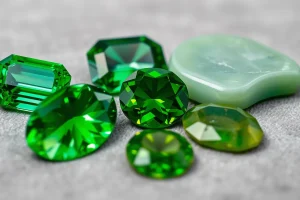
- Green Zircon – Valued for its vivid hue; may exhibit pleochroism.
- Red Zircon – Very rare; often confused with synthetic ruby.
Jewelry Uses and Care
Because of its hardness of 7.5 on the Mohs scale, zircon is suitable for rings, earrings, pendants, and bracelets. However, it has perfect cleavage in the c‑axis and can fracture if struck. Care recommendations include:
- Clean with warm, soapy water and a soft brush; avoid ultrasonic cleaners for heavily treated stones.
- Store separately from softer gems to prevent scratching.
- Remove jewelry before exposure to harsh chemicals, extreme heat, or prolonged sunlight, especially for treated specimens.
Buying Guide
When selecting zircon, consider the following factors:
- Color and Clarity – Transparent, vivid colors with minimal inclusions command higher prices.
- Cut – Well‑cut stones display maximum fire; common cuts include round brilliant, cushion, and oval.
- Treatment Disclosure – Heat treatment is common to improve color; reputable dealers will disclose any enhancements.
- Origin – Australian and Cambodian zircons are widely available; rarer sources like Sri Lanka may add value.
- Certification – For high‑value stones, request a GIA or IGI report confirming authenticity and any treatments.
By evaluating these aspects, buyers can ensure they acquire a beautiful, durable gemstone that meets both aesthetic and ethical expectations.
FAQ
What is zircon good for?
Zircon is valued for its brilliance in jewelry, its use as a gemstone in rings and pendants, and its scientific role in radiometric dating. Traditional beliefs also associate it with grounding and enhancing personal confidence.
Is zircon rare?
The rarity of zircon depends on color, clarity, and treatment. High‑quality colourless or vivid blue zircons are relatively scarce, while golden‑yellow specimens are more common. Treated stones are widely available, which affects perceived rarity.
How can you tell if zircon is real?
Real zircon can be distinguished by its high refractive index, strong dispersion, and lack of sparkle typical of cubic zirconia. A professional gemologist will use a refractometer, spectroscope, and possibly a microscope to confirm authenticity.
What chakra is zircon associated with?
In crystal‑healing traditions, zircon is most commonly linked to the Root chakra for grounding, and also to the Solar Plexus chakra for confidence and personal power.
How should you clean zircon?
Clean zircon with warm, mild soap and a soft brush. Avoid ultrasonic cleaners for heavily treated stones, and keep the gem away from harsh chemicals, extreme heat, or prolonged sunlight.
Leave a Reply