
Short Answer
Overview
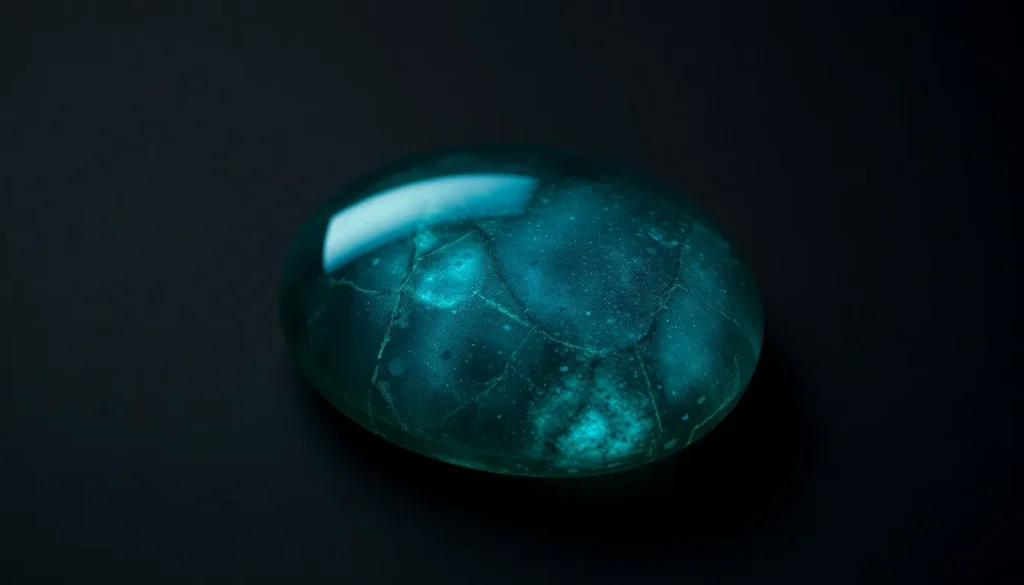
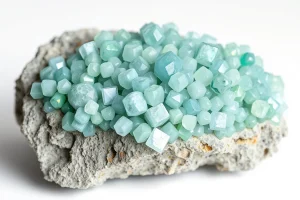
Holtite is a rare, naturally occurring silicate mineral that is occasionally cut and used as a gemstone. It is most recognized for its striking blue‑green to teal coloration and a vitreous to sub‑vitreous luster. The stone is typically found in massive or granular aggregates, and gem‑cut pieces are limited, making it a collector’s item rather than a mainstream jewelry gemstone.
History and Origin
The name “holtite” honors the mineralogist who first described the mineral in the early 20th century. Specimens have been reported from a few localities in North America, notably Nevada, USA, and certain Canadian pegmatite districts. Because the mineral occurs in low‑temperature hydrothermal veins, it is often associated with zeolitic assemblages, although it is not a true zeolite mineral.
Meaning and Symbolism
In traditional crystal lore, holtite is associated with the heart chakra and is believed to encourage emotional balance, compassion, and a deeper connection to nature. Its calming teal hue is thought to symbolize tranquility and the soothing qualities of water, making it a popular talisman for those seeking inner peace.
Healing and Metaphysical Properties
Practitioners of crystal healing attribute the following properties to holtite:
- Emotional support: Helps release old emotional wounds and promotes forgiveness.
- Heart‑centered energy: Enhances empathy, love, and harmonious relationships.
- Physical well‑being: Traditionally believed to aid the circulatory system and reduce stress‑related tension.
These claims are based on long‑standing metaphysical traditions and are not supported by scientific medical evidence.
Varieties and Types
Holtite does not have widely recognized varietal names. However, collectors note variations in hue ranging from deep teal to a more turquoise‑green tone, depending on the specific locality and trace element composition. Occasionally, holtite may exhibit a faint iridescence when cut as a cabochon.
Jewelry Uses and Care
Because holtite ranks between 5 and 6 on the Mohs hardness scale, it is suitable for pendants, earrings, and brooches where the stone is protected from daily impact. The stone’s fracture is conchoidal, and it can be polished to a high shine.
Care guidelines:
- Clean with warm, soapy water and a soft brush; avoid ultrasonic cleaners.
- Dry thoroughly with a lint‑free cloth.
- Store separately from harder gemstones to prevent scratching.
- Avoid prolonged exposure to high heat or direct sunlight, which could alter color.
Buying Guide
When purchasing holtite, consider the following factors:
- Color quality: Uniform, deep teal coloration is most valued.
- Clarity: Look for minimal inclusions; visible fractures can affect durability.
- Cut: Cabochon or free‑form cuts are common; well‑polished surfaces enhance luster.
- Origin documentation: Reputable sellers should provide provenance or a gemological report.
- Treatment disclosure: Ensure the stone is untreated; any dyeing or stabilization should be fully disclosed.
Because holtite is scarce, prices can vary widely. Compare multiple sources and, when possible, request a certified appraisal.
FAQ
What is holtite good for?
Holtite is valued for its striking teal color in jewelry and as a collector’s stone. Traditionally, it is believed to support emotional balance and heart‑centered healing, though these claims are not scientifically proven.
Is holtite rare?
Yes, holtite is considered rare. High‑quality, gem‑grade material is limited to a few localities, and well‑cut pieces are uncommon, making the stone relatively scarce in the market.
How can you tell if holtite is real?
Real holtite exhibits a consistent blue‑green hue, vitreous luster, and a Mohs hardness of 5–6. A professional gemologist can confirm authenticity with refractive index measurements and spectroscopic analysis.
What chakra is holtite associated with?
In crystal‑healing traditions, holtite is linked to the Heart (Anahata) chakra, believed to foster love, compassion, and emotional balance.
How should you clean holtite?
Clean holtite with warm, mildly soapy water and a soft brush. Rinse thoroughly, dry with a lint‑free cloth, and avoid ultrasonic cleaners, harsh chemicals, and extreme heat.
Leave a Reply