Short Answer
Overview
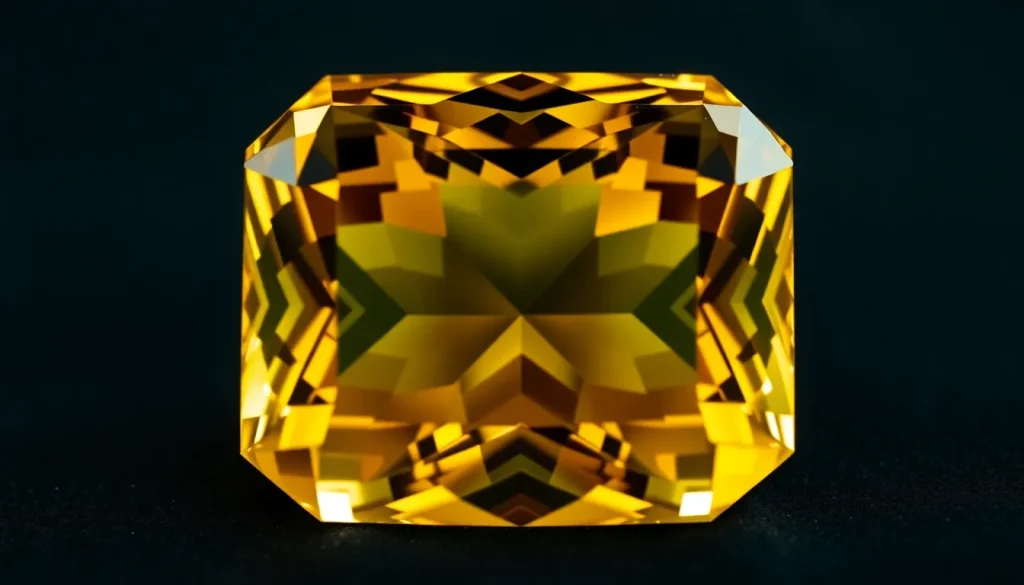
Topaz is a silicate mineral belonging to the nesosilicate family. It forms in orthorhombic crystals and is renowned for its high refractive index, hardness of 8 on the Mohs scale, and wide color spectrum ranging from colorless to deep blues, greens, pinks, and the classic golden‑yellow. Because of its durability and brilliance, topaz is a staple in fine jewelry and a popular collector’s stone.
History and Origin
The name “topaz” derives from the ancient Greek island of Topazios (modern İzmir, Turkey), where early traders believed the stone was mined. Historically, only the yellow and brown varieties were known; blue topaz was created through heat treatment in the 20th century. Topaz deposits have been documented in Brazil, Russia, Pakistan, and the United States for centuries, and the gemstone has featured in royal regalia, religious artifacts, and early scientific studies of crystal optics.
Meaning and Symbolism
Traditional folklore associates topaz with strength, wisdom, and protection. In many cultures it is considered a talisman for travelers, believed to guard against danger and promote safe journeys. The golden “imperial” topaz is particularly linked to royalty and wealth, symbolizing abundance and the power to manifest intentions.
Healing and Metaphysical Properties
Within crystal‑healing circles, topaz is said to amplify personal power, boost confidence, and aid in the expression of truth. Practitioners claim it can stimulate the Solar Plexus chakra, encouraging vitality and self‑esteem. These beliefs are spiritual in nature and not a substitute for medical treatment.
Varieties and Types
- Colourless (White) Topaz – Often used as a diamond substitute in jewelry.
- Golden Yellow (Imperial) Topaz – Rich amber to orange hues; the most valued natural color.
- Blue Topaz – Naturally rare; most commercial blue stones are heat‑treated.
- Pink and Red Topaz – Very rare; deep pink to reddish shades are highly prized.
- Green Topaz – Occurs in shades from pale mint to vivid emerald.
Jewelry Uses and Care
Topaz’s hardness makes it suitable for rings, pendants, earrings, and watches. Its perfect basal cleavage means it can split if struck sharply, so setting design should protect vulnerable facets. Cleaning is straightforward: use warm, soapy water and a soft brush, or a jewelry‑safe ultrasonic cleaner on low power. Avoid harsh chemicals, extreme heat, and prolonged exposure to direct sunlight for treated stones.
Buying Guide
When selecting topaz, consider the following:
- Color and Clarity – Natural imperial and pink shades command premium prices. Check for inclusions that may affect brilliance.
- Treatment Disclosure – Most blue topaz is heat‑treated; reputable dealers will disclose this.
- Cut and Symmetry – Well‑cut stones display strong fire and sparkle.
- Certification – For high‑value pieces, request a GIA or equivalent laboratory report.
- Setting Protection – Choose mounts that shield the basal cleavage, such as bezel or low‑profile prong settings.
Purchasing from a trusted jeweler or certified dealer ensures authenticity and ethical sourcing.
FAQ
What is topaz good for?
Topaz is prized for its brilliance and durability in jewelry, and traditionally it is believed to promote confidence, protect travelers, and aid in manifesting intentions.
Is topaz rare?
High‑quality natural imperial, pink, and green topaz are relatively rare and command premium prices, while colourless and heat‑treated blue topaz are more common.
How can you tell if topaz is real?
Real topaz feels heavy for its size, shows a high refractive index, and may exhibit perfect basal cleavage. A professional gemologist can confirm authenticity with a refractometer, spectroscopy, and certification.
What chakra is topaz associated with?
In crystal‑healing traditions, topaz is most commonly linked to the Solar Plexus (Manipura) chakra, supporting personal power and self‑esteem.
How should you clean topaz?
Clean topaz with warm, mild soapy water and a soft brush, or use a low‑power ultrasonic cleaner. Avoid harsh chemicals, sudden temperature changes, and strong impact that could split the stone along its basal cleavage.
Leave a Reply