
Short Answer
Overview
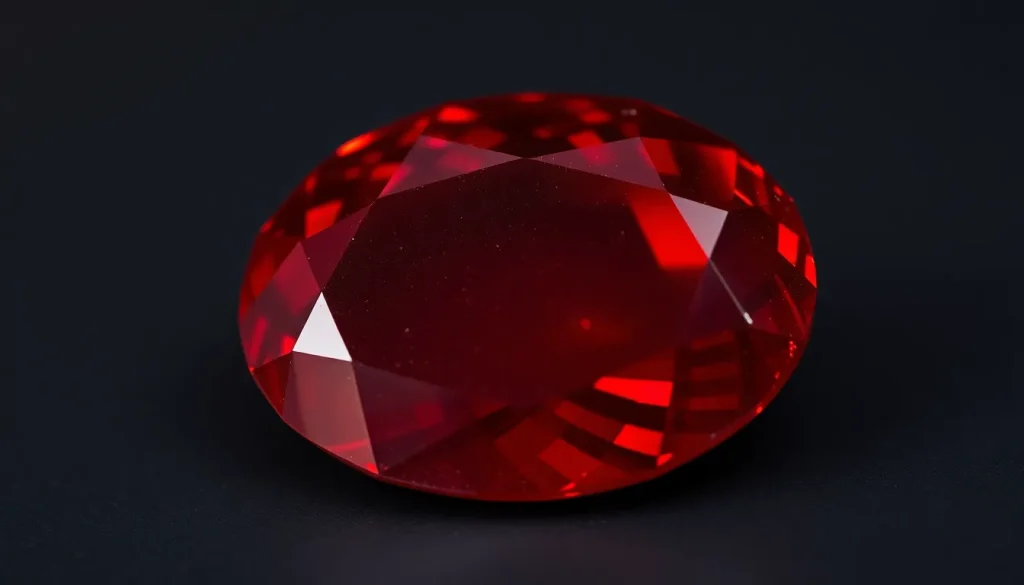
Sard is a naturally occurring variety of the mineral corundum (chemical formula Al₂O₃) that displays a brown‑red to deep mahogany color. The hue is produced primarily by trace amounts of iron oxide rather than chromium, which gives ruby its red color. With a Mohs hardness of 9, sard is one of the hardest gemstones, second only to diamond, making it suitable for everyday wear.
History and Origin
The name “sard” derives from the ancient Greek island of Sardis, a historic source of the stone in antiquity. Sard was prized by the Romans and Greeks for its rich color and durability, often used in signet rings and intaglios. Modern commercial sources include Sri Lanka, Brazil, Madagascar, Tanzania, and Myanmar, where high‑quality brown‑red corundum is mined alongside ruby and sapphire.
Meaning and Symbolism
Traditionally, sard has been associated with stability, protection, and perseverance. Its earthy tone is thought to anchor the wearer’s intentions, fostering resilience in challenging situations. In some cultures, sard was believed to guard against envy and ill‑will, serving as a talisman for travelers.
Healing and Metaphysical Properties
In crystal‑healing traditions, sard is said to promote grounding, emotional balance, and courage. Practitioners claim it can help release fear, encourage self‑confidence, and support the root chakra. These beliefs are part of spiritual practice and should not replace professional medical advice.
Varieties and Types
Sard is essentially brown‑red corundum, but several distinctions are noted in the market:
- Natural Sard: Untreated stone with authentic iron‑induced color.
- Heat‑treated Sard: Heat may enhance color saturation; such treatments are widely accepted in the industry.
- Synthetic Corundum (Sapphire or Ruby): Lab‑grown stones can be produced in sard hues, often labeled as “synthetic sard.”
Jewelry Uses and Care
Because of its hardness, sard is frequently cut as cabochons, beads, or faceted stones for rings, pendants, and earrings. The stone’s relatively high refractive index (1.762–1.770) gives it a subtle brilliance when well‑polished.
Care instructions:
- Clean with warm, soapy water and a soft brush; avoid harsh chemicals.
- Dry with a lint‑free cloth; ultrasonic cleaners are safe if the stone is not fractured.
- Store separately from softer gems to prevent scratching.
Buying Guide
When selecting sard, consider the following factors:
- Color Saturation: Deep, uniform brown‑red hues are most valued.
- Clarity: Inclusions are common; a clean interior enhances brilliance.
- Cut and Finish: Well‑polished facets or cabochons showcase the stone’s luster.
- Treatment Disclosure: Reputable sellers will disclose any heat treatment or synthetic origin.
- Certification: For high‑value pieces, request a GIA or IGI report confirming authenticity and any treatments.
Because sard is less common than ruby or sapphire, price ranges can vary widely. Quality specimens from renowned localities such as Sri Lanka or Madagascar often command premium prices.
FAQ
What is sard good for?
Sard is valued for its durability in jewelry, its deep earthy color, and traditional beliefs that it promotes grounding, courage, and protection.
Is sard rare?
High‑quality natural sard is less common than ruby or sapphire, especially in deep, uniform brown‑red hues, making it relatively rare in fine‑grade specimens.
How can you tell if sard is real?
Real sard exhibits a hardness of 9, a high refractive index (≈1.76), and lacks visible synthetic inclusions. Professional testing such as spectroscopy or a gemological report confirms authenticity and any treatments.
What chakra is sard associated with?
In crystal‑healing traditions, sard is linked to the Root (Muladhara) chakra, supporting grounding and stability.
How should you clean sard?
Clean sard with warm soapy water and a soft brush; avoid harsh acids. Ultrasonic cleaning is safe unless the stone has fractures. Store separately from softer gems to prevent scratches.
Leave a Reply