
Short Answer
Overview
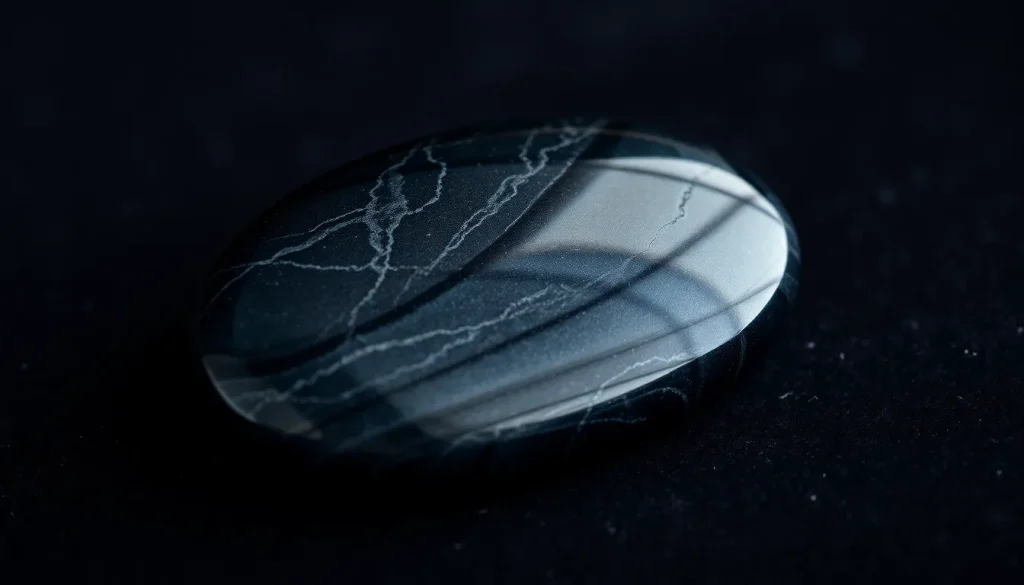
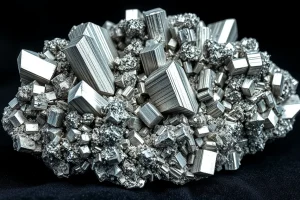
Psilomelane is a collective term for a group of black manganese‑oxide minerals that commonly occur in massive, granular or earthy forms. It is characterized by a metallic to sub‑metallic luster, a deep black to steel‑gray color, and a relatively high specific gravity. While not a traditional gemstone, psilomelane is occasionally cut into cabochons for ornamental jewelry and is prized by mineral collectors for its distinctive appearance.
History and Origin
The name “psilomelane” derives from the Greek words psilos (smooth) and melas (black), reflecting its smooth, black surfaces. Historically the term was used in the 19th century to describe black manganese ores before mineralogists recognized that it encompassed several distinct oxide species, such as cryptomelane, birnessite, and other hydrated manganese oxides. Major occurrences have been documented from oxidized zones of manganese deposits worldwide, especially in the United States (Arizona), Mexico, Brazil, India, Australia, and South Africa.
Meaning and Symbolism
In traditional gemstone lore, psilomelane’s deep black hue is associated with protection, grounding, and the absorption of negative energies. Its metallic sheen is thought to symbolize inner strength and resilience. Though not listed among the classic birthstones, some collectors attribute to it the qualities of endurance and the ability to “shine” under pressure.
Healing and Metaphysical Properties
Crystal‑healing practitioners claim that psilomelane can help anchor scattered thoughts, promote mental clarity, and assist with detoxification on an energetic level. It is often linked to the root chakra for grounding purposes, though these beliefs are not supported by scientific evidence. Users are advised to view such claims as traditional beliefs rather than medical advice.
Varieties and Types
Psilomelane is not a single mineral but a mixture of several manganese oxide species. The most common varieties include:
- Cryptomelane – a potassium‑bearing manganese oxide with a tetragonal crystal structure.
- Birnessite – a layered manganese oxide typically forming in monoclinic sheets.
- Psilomelane proper – historic usage for any black manganese oxide that lacks a clearly defined structure.
Each variety may display subtle differences in hardness, density, and surface texture, but all share the characteristic black metallic appearance.
Jewelry Uses and Care
Because psilomelane is relatively hard (Mohs 5–6) but can be brittle, it is most often used in protective settings such as bezel or bezel‑back settings that shield the stone from impact. Polished cabochons are popular for pendants and statement rings. Care guidelines include:
- Clean with a soft, lint‑free cloth; avoid harsh chemicals that could alter surface oxidation.
- Use warm, soapy water and a gentle brush for deeper cleaning, then rinse and dry thoroughly.
- Store separately from softer gemstones to prevent scratching.
Buying Guide
When selecting psilomelane, consider the following factors:
- Color Uniformity – deep, even black or steel‑gray without brown spots is most desirable.
- Surface Finish – a high polish enhances the metallic luster; avoid stones with excessive surface oxidation or dullness.
- Origin and Treatment – reputable dealers will disclose the locality and any treatments (e.g., stabilization or coating).
- Certification – for high‑value pieces, request a gemological report confirming the mineral composition.
Because psilomelane is primarily a collector’s mineral, prices vary widely based on size, quality, and rarity of the specific variety.
FAQ
What is psilomelane good for?
Psilomelane is valued for its deep black metallic appearance in jewelry cabochons and as a collector's mineral. Traditional beliefs also associate it with grounding and protection, though these are not medically proven.
Is psilomelane rare?
High‑quality, well‑polished psilomelane specimens are relatively uncommon, especially those free of brown inclusions. The mineral itself is not extremely rare in ore deposits, but gem‑grade material is limited.
How can you tell if psilomelane is real?
Real psilomelane feels heavy for its size, displays a metallic luster, and is opaque black. Simple tests include checking hardness (5–6) and specific gravity. For certainty, seek a gemological laboratory report.
What chakra is psilomelane associated with?
In crystal‑healing traditions psilomelane is often linked to the root chakra for grounding, though there is no single standard chakra association.
How should you clean psilomelane?
Clean psilomelane with a soft cloth and warm, soapy water. Use a gentle brush for stubborn dirt, rinse thoroughly, and dry. Avoid abrasive cleaners, ultrasonic baths, and harsh chemicals that could affect its surface oxidation.
Leave a Reply