
Short Answer
Overview
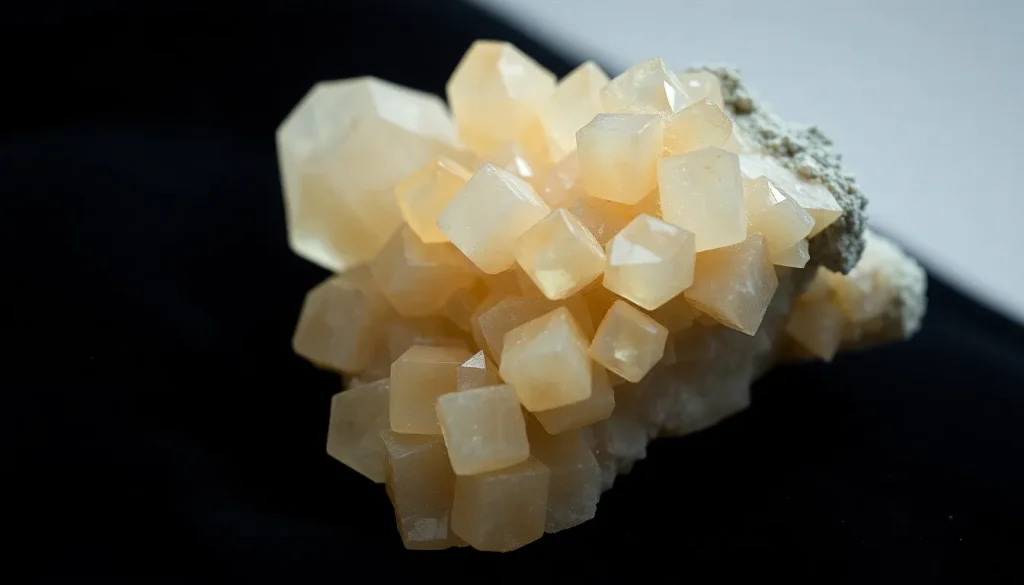
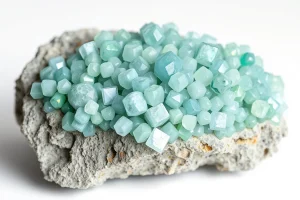
Sarcolite is a rare silicate mineral belonging to the feldspathoid group. It typically forms as small, flesh‑colored to pale yellow crystals with a vitreous luster. The name derives from the Greek sarx (flesh) and lithos (stone), reflecting its characteristic soft hue. Although not as widely known as quartz or sapphire, sarcolite attracts collectors for its rarity and subtle beauty.
History and Origin
Sarcolite was first described in 1962 after its discovery in the Kola Peninsula of north‑west Russia. Subsequent occurrences have been reported in a few alkaline‑rich pegmatite complexes, notably in Canada’s Nunavut region and in parts of Norway. Because it forms in highly specific geochemical environments, high‑quality specimens are uncommon, and most museum pieces are small, often less than a centimeter in size.
Meaning and Symbolism
Traditional gemstone lore associates sarcolite’s warm, flesh‑like color with nurturing energy, personal growth, and self‑acceptance. It is thought to encourage a gentle confidence, helping the wearer feel grounded while embracing creativity. In contemporary design, the stone’s understated palette is used to convey elegance without overt flash.
Healing and Metaphysical Properties
Within crystal‑healing circles, sarcolite is believed to balance the Solar Plexus chakra, promoting personal power and clarity of purpose. Practitioners claim it can aid in overcoming self‑doubt and fostering a healthy sense of self‑worth. These attributes are considered symbolic and not a substitute for professional medical advice.
Varieties and Types
While sarcolite is a single mineral species, variations arise from minor chemical substitutions of sodium, calcium, and potassium. Specimens may display a range of colors from pale pinkish‑white to deeper yellow‑brown, sometimes with translucent zones. The most sought‑after pieces are those with uniform color and well‑developed crystal faces.
Jewelry Uses and Care
Due to its modest hardness (Mohs 5–6) and perfect cleavage, sarcolite is best suited for pendants, earrings, and brooches where the stone can be set securely. It should be protected from hard impacts and abrasive cleaning. Recommended care includes:
- Cleaning with lukewarm water, mild soap, and a soft brush.
- Avoiding ultrasonic cleaners and steam cleaning, which may cause micro‑fractures.
- Storing separately from harder gemstones to prevent scratching.
Buying Guide
When purchasing sarcolite, consider the following factors:
- Color Uniformity: Look for a consistent flesh‑tone without dark inclusions.
- Clarity: Inclusions are common; however, large fractures or cloudiness lower value.
- Cut and Setting: Well‑cut stones maximize brilliance while protecting delicate edges.
- Origin Documentation: Reputable dealers provide provenance, especially for specimens from the Kola Peninsula or Canadian localities.
- Treatment Disclosure: Sarcolite is rarely treated, but any enhancement (e.g., heat) should be disclosed.
Because sarcolite is uncommon, prices vary widely. High‑quality, faceted gems can command premium prices, while rough or small cabochons are more affordable.
FAQ
What is sarcolite good for?
Sarcolite is prized for its delicate color in fine jewelry and as a collector’s mineral. Traditionally, it is believed to support confidence and personal growth, though these claims are symbolic, not medical.
Is sarcolite rare?
Yes. High‑quality sarcolite is uncommon because it forms only in specific alkaline pegmatite environments. Specimens from classic localities like the Kola Peninsula are especially scarce.
How can you tell if sarcolite is real?
Real sarcolite exhibits a flesh‑tone to pale yellow color, a vitreous luster, and perfect cleavage. Professional gemologists can confirm identity with refractive index, specific gravity, and X‑ray diffraction tests.
What chakra is sarcolite associated with?
In crystal‑healing traditions sarcolite is linked to the Solar Plexus (Manipura) chakra, thought to enhance personal power and clarity.
How should you clean sarcolite?
Clean sarcolite gently with lukewarm soapy water and a soft brush. Avoid ultrasonic or steam cleaners, and store it separately from harder gemstones to prevent scratches.
Leave a Reply