
Short Answer
Overview
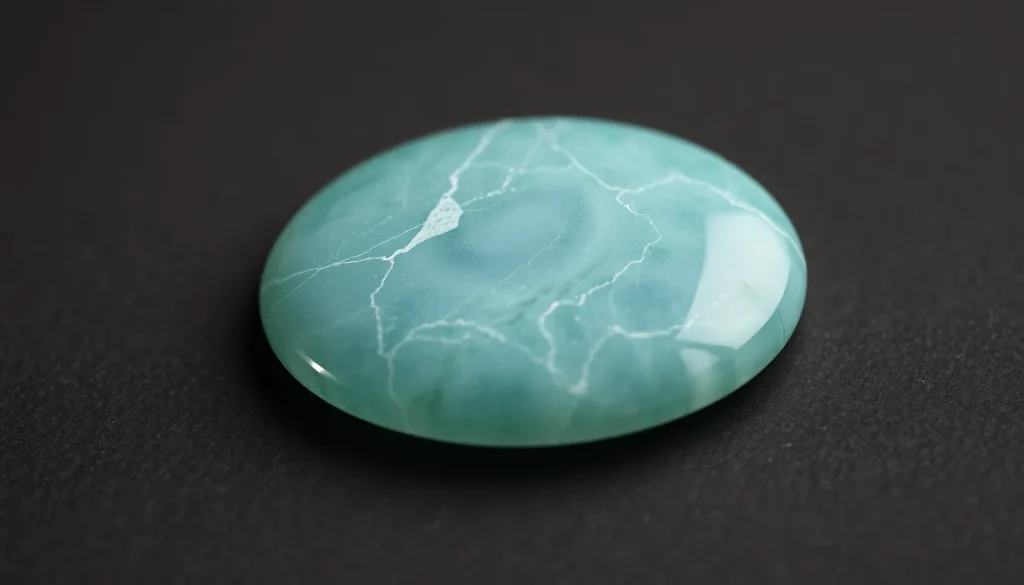
Amazonite is a variety of the potassium feldspar mineral microcline, distinguished by its striking pale teal to green‑blue color. It ranks 6–6.5 on the Mohs scale, making it suitable for many types of jewelry. The stone is named for the Amazon River, though it does not occur there.
History and Origin
The first recorded use of Amazonite dates to the 18th century, when European mineralogists noted its vivid color in specimens from Brazil and the United States. Native peoples of the American Southwest used the stone for ornamental beads. In the 19th century, the name “Amazonite” was popularized by mineralogist René Just Haüy, who associated the color with the legendary Amazon warriors.
Meaning and Symbolism
In traditional lore, Amazonite is said to represent hope, truth, and compassion. It is often linked to communication and the expression of inner truth. The gemstone’s calming hue is believed to ease tension and promote a sense of inner peace.
Healing and Metaphysical Properties
Crystal‑healing practitioners attribute the following properties to Amazonite, based on longstanding belief systems rather than scientific evidence:
- Balancing emotional fluctuations and reducing stress.
- Supporting clear communication and self‑expression.
- Encouraging personal empowerment and confidence.
- Assisting in the alignment of the heart and throat chakras.
These claims are not a substitute for professional medical advice.
Varieties and Types
Amazonite occurs primarily as:
- Natural Amazonite – unaltered stone with its characteristic teal‑green hue.
- Heat‑treated Amazonite – specimens that have been heated to enhance or modify color; the treatment should be disclosed by reputable sellers.
Inclusions such as white mica or quartz may appear as fine veins, adding to each piece’s uniqueness.
Jewelry Uses and Care
Because of its hardness, Amazonite is commonly set in rings, pendants, earrings, and bracelets. However, its perfect cleavage in two directions makes it susceptible to chipping if struck sharply. Recommended care:
- Clean with warm, soapy water and a soft brush; avoid ultrasonic cleaners.
- Dry with a lint‑free cloth; store separately from harder gemstones to prevent scratches.
- Remove jewelry before vigorous activity or exposure to harsh chemicals.
Buying Guide
When purchasing Amazonite, consider the following factors:
-
- Color consistency – uniform teal‑green is most valued; uneven or overly pale tones may indicate lower quality.
n
- Clarity – minor white mica inclusions are acceptable; large fractures reduce durability.
- Cut – well‑cut stones display optimal brilliance and minimize stress on cleavage planes.
- Treatment disclosure – reputable dealers will note any heat treatment or dye.
- Certification – for high‑value pieces, request a gem‑ological report from a recognized laboratory.
Buying from established jewelers or certified online retailers reduces the risk of misidentification.
FAQ
What is Amazonite good for?
Amazonite is prized for its attractive teal‑green color in jewelry and decorative objects. Traditionally, crystal‑healing enthusiasts associate it with emotional balance and clear communication, though these are not medical claims.
Is Amazonite rare?
High‑quality Amazonite with vivid, uniform color is less common than lower‑grade material, but the mineral itself is not considered rare. Major deposits exist in the United States, Brazil, Madagascar, and a few other locales.
How can you tell if Amazonite is real?
Real Amazonite displays a consistent teal‑green hue, a vitreous luster, and a white streak. It has a hardness of 6–6.5 and perfect cleavage. For certainty, have the stone examined by a gem‑lab that can confirm its chemical composition and detect any treatments.
What chakra is Amazonite associated with?
In crystal‑healing traditions, Amazonite is most commonly linked to the Heart chakra for emotional balance and the Throat chakra for communication.
How should you clean Amazonite?
Clean Amazonite with warm, mildly soapy water and a soft brush. Avoid ultrasonic cleaners and harsh chemicals. Dry with a lint‑free cloth and store separately from harder gemstones to prevent scratches or chipping.
Leave a Reply