
Short Answer
Overview
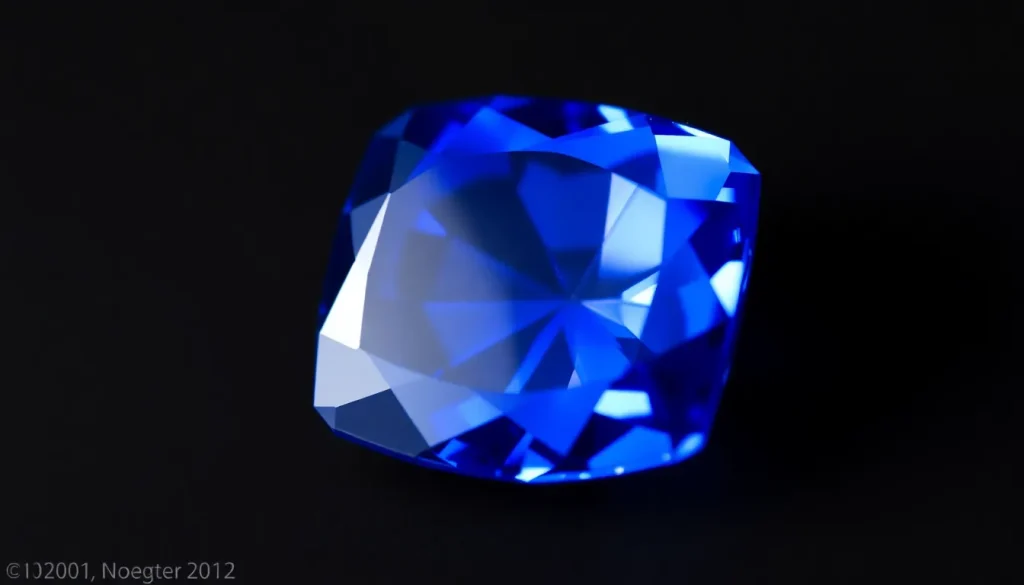
Sapphirine is a rare silicate mineral composed primarily of magnesium, aluminum, silicon, and oxygen. It crystallises in the orthorhombic system and typically exhibits a deep blue to violet color, sometimes with greenish or gray undertones. With a Mohs hardness of 7–7.5, sapphirine is durable enough for use in high‑end jewelry, though large gem‑quality stones are uncommon.
History and Origin
The name “sapphirine” was coined in 1847 after the mineral’s sapphire‑like hue. Historically, the stone was first described from specimens collected in the Kola Peninsula, Russia, and later identified in Sri Lanka, Tanzania, Myanmar, and Madagascar. Because it forms in high‑temperature, low‑pressure metamorphic environments, sapphirine is often found alongside spinel and garnet in aluminous rocks.
Meaning and Symbolism
In traditional gemstone lore, sapphirine is associated with clarity of thought, inner truth, and the expression of personal vision. Its vivid blue is said to inspire confidence, enhance communication, and promote spiritual insight. The stone is sometimes regarded as a “bridge” between the physical and the intuitive, encouraging the wearer to pursue higher ideals.
Healing and Metaphysical Properties
Crystal‑healing practitioners attribute the following properties to sapphirine:
- Emotional balance: Helps release fear and promotes calm self‑expression.
- Intellectual clarity: Supports mental focus, decision‑making, and the ability to see beyond illusion.
- Chakra work: Commonly linked to the Throat chakra, and occasionally the Third Eye, to aid communication and intuition.
- Physical claims: Traditional beliefs suggest benefits for the respiratory system and the endocrine glands, though these are not medical facts.
These attributes are based on folklore and should not replace professional medical advice.
Varieties and Types
Sapphirine occurs in several visual varieties, often defined by subtle color shifts or inclusions:
- Classic Blue‑Violet: The most prized hue, ranging from deep indigo to bright sapphire blue.
- Greenish‑Blue: Displays a teal or turquoise cast, usually due to trace iron.
- Brown‑Violet: A rarer, muted tone found in some Tanzanian deposits.
- Inclusion‑Rich: Specimens containing spinel, garnet, or diopside, valued by collectors for their geological story.
Jewelry Uses and Care
Because of its hardness and relatively good cleavage, sapphirine is cut into faceted gems, cabochons, and occasionally beads. It is suitable for rings, pendants, earrings, and high‑end watches. Care recommendations include:
- Clean with warm, soapy water and a soft brush; avoid ultrasonic cleaners if the stone is heavily included.
- Store separately from softer gems to prevent scratching.
- Avoid prolonged exposure to harsh chemicals or high heat, which could affect surface luster.
Buying Guide
When purchasing sapphirine, consider the following factors:
| Factor | What to Look For |
|---|---|
| Color | Uniform, vivid blue‑violet with minimal gray or brown zones. |
| Clarity | Few inclusions; large, clean stones are rare and command higher prices. |
| Cut | Well‑proportioned facets that enhance depth and sparkle. |
| Treatment | Most sapphirine is untreated; verify any heat or dye treatments with the seller. |
| Certification | Request a gemological report from a reputable lab (e.g., GIA, IGI). |
Because high‑quality sapphirine is scarce, prices can vary widely. Always purchase from reputable dealers and ask for provenance documentation.
FAQ
What is sapphirine good for?
Sapphirine is prized for its rare, vivid blue‑violet color in fine jewelry and as a collector’s stone. Traditionally, it is believed to aid clear communication, mental insight, and emotional balance, though these are spiritual beliefs, not medical facts.
Is sapphirine rare?
High‑quality, gem‑grade sapphirine is rare because it forms only in specific high‑temperature metamorphic environments. Large, clear stones are especially scarce, making the gemstone relatively uncommon and often more expensive than more abundant gems.
How can you tell if sapphirine is real?
Real sapphirine shows a consistent blue‑violet hue, a high refractive index, and a hardness of 7–7.5. Look for natural inclusions and a vitreous luster. Professional verification with a gemological microscope, refractometer, and possibly a GIA report is recommended for certainty.
What chakra is sapphirine associated with?
In crystal‑healing traditions, sapphirine is most commonly linked to the Throat chakra (Vishuddhi) to support communication, and occasionally to the Third Eye for intuition. These associations are symbolic, not scientific.
How should you clean sapphirine?
Clean sapphirine gently with warm soapy water and a soft brush. Rinse thoroughly and pat dry with a lint‑free cloth. Avoid ultrasonic cleaners if the stone is heavily included, and keep it away from harsh chemicals or extreme heat.
Leave a Reply