
Short Answer
Overview
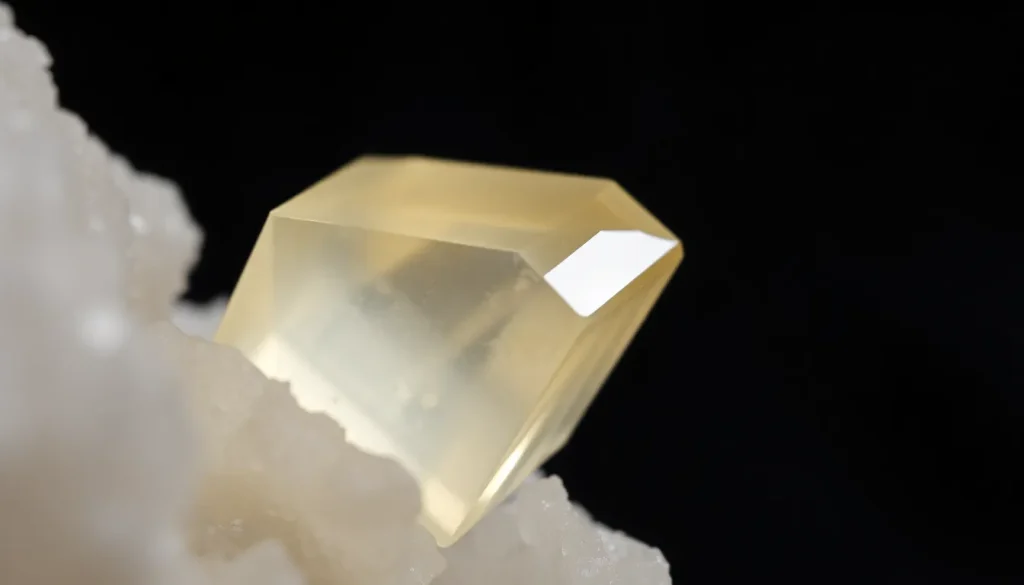
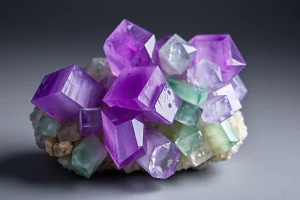
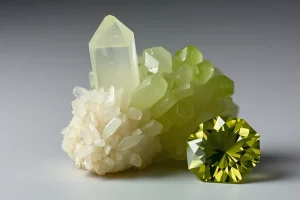
Sanidine is the high‑temperature polymorph of potassium feldspar (KAlSi3O8). It belongs to the feldspar group of tectosilicates and crystallises in the monoclinic system. In nature it forms clear, colourless to pale‑yellow crystals that can reach several centimeters. Although not a common gemstone, sanidine is occasionally cut as a cabochon or facet for collectors because of its vitreous luster and good transparency.
History and Origin
The name “sanidine” derives from the Latin sanus meaning “healthy”, reflecting the mineral’s bright, healthy appearance when first described in the 19th century. It is a product of rapid cooling in volcanic environments, especially in rhyolites, tuffs, and ignimbrites. Classic localities include the Yellowstone rhyolite plateau (USA), the Etna volcano (Italy), the Kilauea region (Hawaii), and volcanic fields in Japan and Iceland.
Meaning and Symbolism
In gemstone lore, sanidine is associated with clarity of thought and the ability to make swift, decisive choices—mirroring its formation under fast‑cooling conditions. It is said to bring mental agility, confidence, and a sense of renewal to the wearer.
Healing and Metaphysical Properties
Traditional crystal‑healing beliefs attribute sanidine with the following properties:
- Mind: Enhances focus, aids in problem‑solving, and supports clear communication.
- Emotions: Encourages emotional balance during periods of rapid change.
- Energy: Believed to align the third‑eye and crown chakras, fostering intuitive insight.
These claims are not scientifically verified and should not replace professional medical advice.
Varieties and Types
Sanidine occurs in several visual varieties, all chemically similar but differing in colour and internal inclusions:
- Clear sanidine – colourless to white, prized for its optical clarity.
- Pale yellow sanidine – a soft, buttery hue common in volcanic tuffs.
- Pink or salmon‑colored sanidine – colored by trace iron or manganese inclusions.
- Brown/coffee‑tone sanidine – often contains microscopic mineral inclusions, giving a chocolate‑like tint.
Sanidine is sometimes referred to as “high albite” or simply “potassium feldspar” in trade literature.
Jewelry Uses and Care
Because of its perfect {010} and {001} cleavages, sanidine must be set carefully to avoid fracture. It is most often used in:
- Cabochons set in protective bezel settings.
- Faceted collector pieces that showcase its brilliance.
- Mixed‑mineral arrangements where sanidine is paired with quartz or agate.
Cleaning recommendations:
- Use warm, soapy water and a soft brush.
- Avoid ultrasonic cleaners; the vibration can propagate existing micro‑fractures.
- Dry with a lint‑free cloth; store away from harsh chemicals and extreme temperature changes.
Buying Guide
When purchasing sanidine, consider the following factors:
- Clarity: Look for specimens free of visible cracks or cloudiness.
- Colour: High‑quality stones are often colourless or display a gentle, even hue.
- Cut: Well‑cut cabochons or facets reveal the stone’s natural luster without stressing cleavage planes.
- Origin: Reputable sources from known volcanic localities add provenance value.
- Treatments: Sanidine is rarely treated, but be aware of any heat‑enhancement claims.
Because sanidine is not widely traded as a commercial gemstone, prices vary considerably, typically ranging from modest for small cabochons to higher figures for large, flawless crystals.
FAQ
What is sanidine good for?
Sanidine is valued by collectors for its clear crystal habit and occasional use in jewelry. Traditionally it is believed to promote mental clarity and decisive action, though these properties are not scientifically proven.
Is sanidine rare?
Sanidine is not extremely rare in its natural volcanic settings, but gem‑quality material with good clarity and color is uncommon, making it relatively scarce in the gemstone market.
How can you tell if sanidine is real?
Real sanidine shows a vitreous luster, a hardness of about 6 on the Mohs scale, and perfect cleavage at right angles. A professional gemologist can confirm identity with refractive index measurements and X‑ray diffraction.
What chakra is sanidine associated with?
In crystal‑healing traditions sanidine is sometimes linked to the third‑eye and crown chakras, but there is no universally accepted chakra assignment.
How should you clean sanidine?
Clean sanidine with warm soapy water and a soft brush. Avoid ultrasonic cleaners and harsh chemicals, and store the stone away from extreme temperature changes to prevent cleavage damage.
Leave a Reply