
Short Answer
Overview
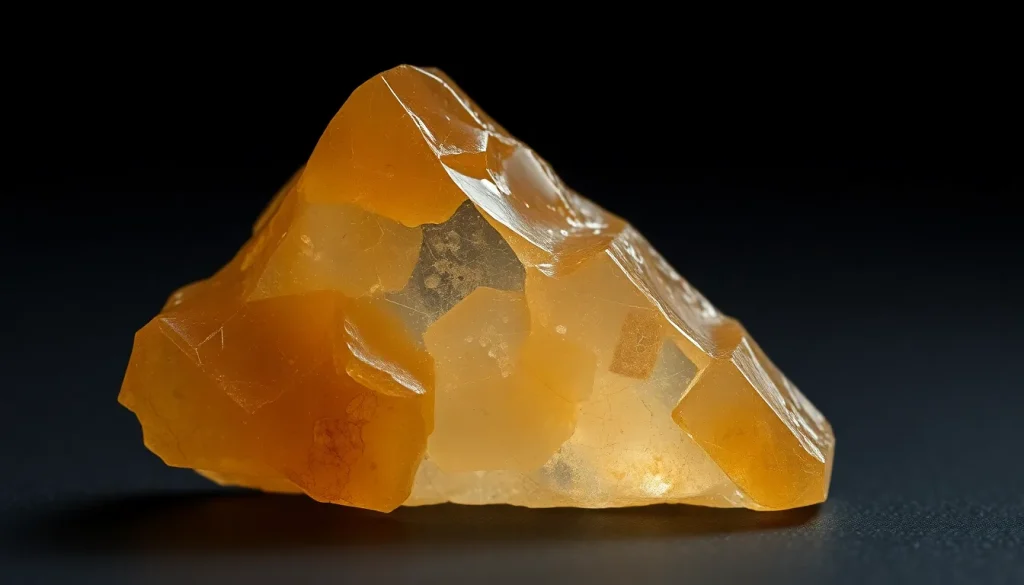
Geoda is a trade name for raw, often brown‑ or yellow‑tinged quartz that is typically of low clarity and is valued for its potential to be transformed through heat treatment into vibrant gemstones such as citrine, amethyst, or smoky quartz. The term originated in Sri Lanka and is used by gem dealers to describe these untreated, translucent to opaque quartz pieces.
History and Origin
The word “geuda” entered the gem trade in the early 20th century, especially in Sri Lankan markets where local miners supplied large quantities of brownish quartz. Gemologists discovered that controlled heating could alter the iron impurities in the stone, producing a range of colors. This practice spread to Brazil, Madagascar, and the United States, making geuda a common source material for many popular quartz gemstones.
Meaning and Symbolism
Because geuda can change dramatically from dull to bright, it is often seen as a symbol of transformation, inner growth, and the ability to reveal hidden potential. In contemporary jewelry marketing, the finished, treated stones are celebrated for their warm, sunny hues that evoke optimism and vitality.
Healing and Metaphysical Properties
Traditional crystal‑healing beliefs associate geuda (especially after heat treatment) with the Solar Plexus chakra, promoting personal power, confidence, and manifestation of goals. Practitioners claim it can boost motivation, aid digestion of ideas, and help release old patterns, though these effects are not medically proven.
Varieties and Types
- Raw brown geuda quartz – the untreated, opaque to translucent material that serves as the starting point for treatment.
- Heat‑treated citrine – geuda heated to 400–500 °C, turning yellow to golden‑orange.
- Heat‑treated amethyst – deep‑purple hues develop when geuda containing manganese is heated.
- Heat‑treated smoky quartz – brown or gray colors intensify through controlled heating.
- Geuda feldspar (rare usage) – occasionally the term is applied to low‑grade feldspar that can be bleached, though quartz remains the primary material.
Jewelry Uses and Care
After heat treatment, geuda‑derived stones are cut into faceted gems for rings, earrings, pendants, and beaded jewelry. Because the underlying quartz is relatively hard (Mohs 7) and has a vitreous luster, it tolerates everyday wear but should be protected from harsh chemicals and high‑impact blows. Cleaning can be performed with warm, soapy water and a soft brush; ultrasonic cleaners are safe if the stone is not fractured.
Buying Guide
When purchasing geuda or its treated forms, consider the following:
- Ask for a disclosure statement confirming whether the stone has been heat‑treated.
- Request a gemstone report from a reputable laboratory (GIA, IGI, or equivalent) that lists the treatment and any enhancements.
- Inspect the cut for signs of internal stress, such as cloudiness or “fracture‑filled” areas, which may indicate over‑heating.
- Compare price per carat with untreated quartz of similar size; treated stones are typically more valuable but still less expensive than natural citrine.
- Buy from dealers who offer a return policy and who can verify the stone’s origin.
FAQ
What is geuda good for?
Geuda is valued for its ability to be heat‑treated into vibrant gems such as citrine, amethyst, or smoky quartz, making it useful for jewelry and as a symbol of transformation in traditional crystal lore.
Is geuda rare?
Geuda itself is not rare; it is a common raw quartz found in several mining regions. Rarity depends on the quality of the raw material and the success of the heat‑treatment process.
How can you tell if geuda is real?
Professional gemologists use spectroscopy, refractive index measurement, and treatment disclosure reports to verify authenticity. Consumers should request a laboratory certificate and look for consistent color and clarity with untreated quartz.
What chakra is geuda associated with?
In crystal‑healing traditions, geuda (especially after heat treatment) is linked to the Solar Plexus chakra, thought to enhance personal power and confidence.
How should you clean geuda?
Clean geuda with warm, soapy water and a soft brush. Avoid harsh chemicals, steam, or prolonged ultrasonic cleaning if the stone shows any fractures or treatments that may be sensitive.
Leave a Reply