
Short Answer
Overview
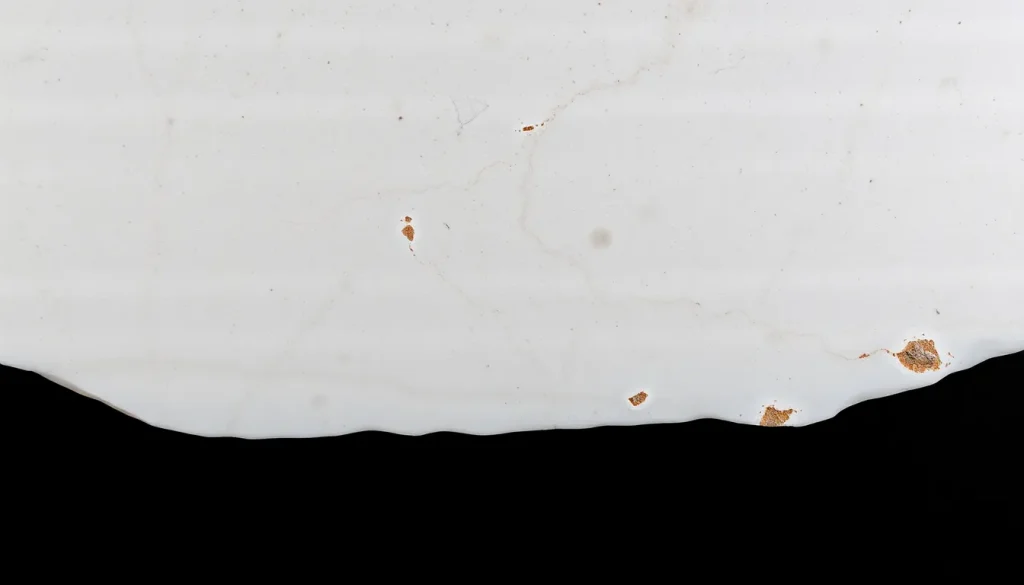
Quartzite is a hard, non-foliated metamorphic rock formed from the recrystallization of quartz sandstone under heat and pressure. The process fuses individual quartz grains into a dense, interlocking mosaic, resulting in a stone that is typically white to gray but may display a spectrum of hues due to mineral impurities.
History and Origin
Quartzite has been used since antiquity for tools, building material, and ornamental purposes. Early humans valued its durability for grinding stones and polishing implements. In the 19th century, quarrying of high‑quality quartzite for decorative architecture and later for jewelry gained momentum, especially in the United States, India, and Brazil.
Meaning and Symbolism
Traditionally, quartzite symbolizes strength, stability, and clarity. Its resilient nature is often associated with personal endurance and the ability to withstand life’s pressures. In many cultures, the stone is considered a grounding element that encourages confidence and steadfastness.
Healing and Metaphysical Properties
Within crystal‑healing belief systems, quartzite is thought to amplify the energy of other stones, promote mental focus, and aid in grounding emotions. Practitioners claim it can help release old patterns, support physical stamina, and enhance the body’s natural healing processes. These claims are based on tradition and are not medical advice.
Varieties and Types
Quartzite occurs in several color varieties, each linked to trace mineral content:
- White Quartzite: Pure silica with minimal impurities, often used for polished tiles.
- Pink Quartzite: Contains iron oxide or manganese, yielding soft rose tones.
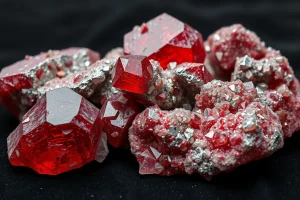
- Red Quartzite: Enriched with hematite, producing vivid red hues.
- Yellow to Chocolate Quartzite: Impurities of goethite or limonite give warm amber to brown shades.
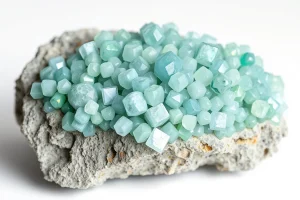
- Green Quartzite: Chlorite or serpentine inclusions create subtle green tints.
Jewelry Uses and Care
Because quartzite rates 7 on the Mohs scale, it is suitable for many jewelry applications such as cabochons, beads, and inlays. However, its granular texture can be prone to chipping if struck sharply. Recommended care includes:
- Clean with warm, soapy water and a soft brush.
- Avoid ultrasonic cleaners if the piece has a fragile setting.
- Store separately from softer gemstones to prevent scratches.
- Use a lint‑free cloth for polishing; avoid harsh chemicals.
Buying Guide
When selecting quartzite, consider the following factors:
- Color Consistency: Uniform coloration indicates a higher‑grade stone.
- Clarity: While quartzite is generally opaque, translucent zones can add value.
- Cut and Finish: Well‑polished surfaces highlight the stone’s natural luster.
- Origin: Reputable sources from known quarries (e.g., Arizona, USA; Rajasthan, India) often assure quality.
- Treatment Disclosure: Ensure any dyeing or surface enhancement is disclosed.
For valuable pieces, request a gemological report or seek verification from a certified jeweler.
FAQ
What is quartzite good for?
Quartzite is valued for its durability in jewelry, architectural applications, and as a decorative slab; traditionally it is believed to promote grounding and mental clarity.
Is quartzite rare?
High‑quality, uniformly colored quartzite is less common than abundant white varieties, but the stone itself is not considered rare; rarity depends on color, clarity, and source.
How can you tell if quartzite is real?
Real quartzite feels heavy, has a gritty texture before polishing, and exhibits a vitreous luster when polished. Professional testing, such as hardness measurement and microscopic examination, confirms authenticity.
What chakra is quartzite associated with?
In crystal‑healing traditions, quartzite is often linked to the Root chakra for grounding, though no single standard chakra association exists.
How should you clean quartzite?
Clean quartzite with warm, soapy water and a soft brush; avoid ultrasonic cleaners if set in delicate metal, and dry with a lint‑free cloth. Keep it away from harsh chemicals.
Leave a Reply