
Short Answer
Overview
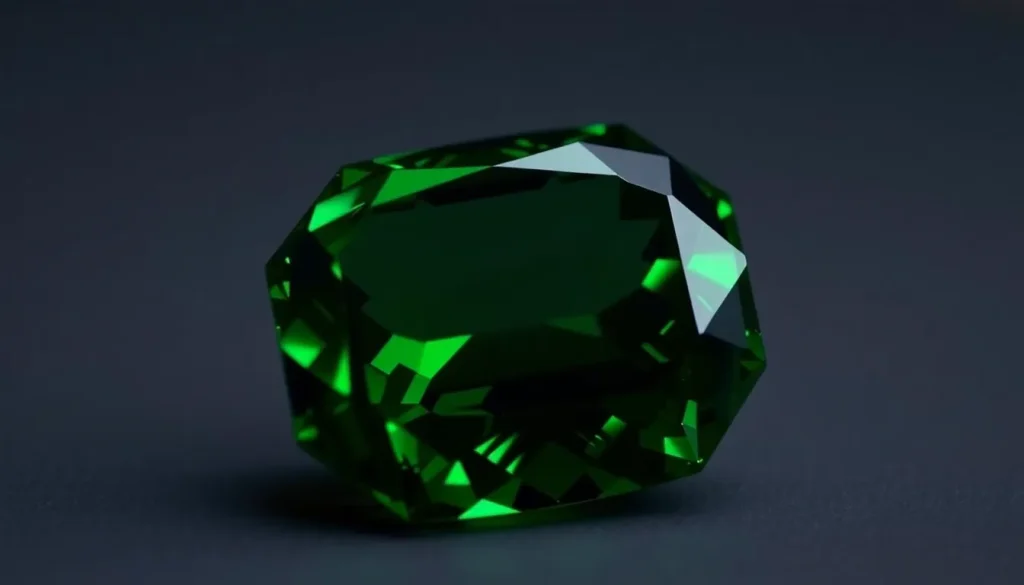
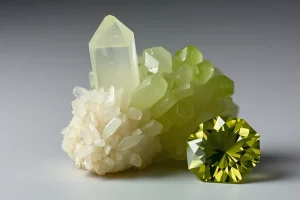
Diopside is a calcium‑magnesium silicate mineral belonging to the pyroxene group. In its gem‑quality form it is prized for a range of colors, most notably a vivid emerald‑green produced by trace chromium, as well as deep black, brown, and yellow tones. The stone typically forms prismatic, columnar crystals that can be cut into faceted gems, cabochons, or polished beads. Its Mohs hardness of 5.5–6.5 places it between quartz and topaz, making it suitable for many types of jewelry when handled with care.
History and Origin
The name “diopside” derives from the Greek words di (two) and opsis (appearance), a reference to its characteristic twin cleavage planes. Historically, diopside was first described in the early 19th century from specimens found in the Ural Mountains of Russia. Significant deposits have since been identified in Canada (Ontario, Quebec), Russia (Ural and Kola regions), China (Hebei Province), Norway, Madagascar, and the United States (California). While the mineral has long been studied by mineralogists, its use as a gemstone gained popularity in the late 20th century when bright green varieties were marketed as an affordable alternative to emerald.
Meaning and Symbolism
In traditional gemstone lore, dioxide is associated with renewal, growth, and emotional balance. Its green tones are often linked to the heart’s capacity for love and compassion, while the darker varieties are thought to provide grounding and protection. Collectors and wearers may choose diopside to symbolize personal transformation or to encourage a sense of calm during stressful periods.
Healing and Metaphysical Properties
Crystal‑healing practitioners attribute a range of metaphysical qualities to diopside, though these claims are not supported by scientific evidence. Green diopside is said to promote emotional healing, enhance intuition, and support the heart chakra. Black diopside is believed to absorb negative energies and aid in grounding. Users often place the stone on the chest during meditation or keep it in a living space to foster a harmonious atmosphere. These beliefs are part of cultural traditions and should not replace professional medical advice.
Varieties and Types
- Chrome Diopside – The most common gemstone variety, exhibiting a vivid emerald‑green color due to chromium impurities.
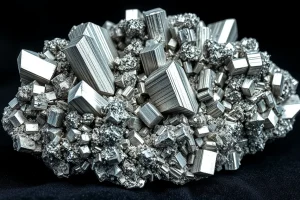
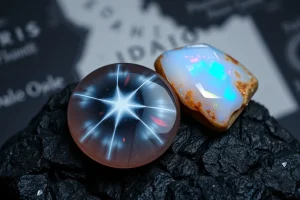
- Black Diopside – Dark, opaque material often displaying a subtle metallic luster; sometimes shows a star‑shaped asterism when cut as a cabochon.
- Yellow/Brown Diopside – Less common, these stones range from pale lemon to earthy brown and are typically used in ornamental pieces.
- Colourless Diopside – Rare, transparent specimens that can be faceted for a high‑index appearance.
Jewelry Uses and Care
Diopside’s attractive colors make it suitable for rings, pendants, earrings, and beaded bracelets. Because the mineral has perfect cleavage on {100} and good cleavage on {001}, it can be prone to chipping if struck. Recommended care includes:
- Cleaning with warm, soapy water and a soft brush; avoid ultrasonic cleaners for heavily included stones.
- Storing separately from harder gemstones such as quartz or sapphire to prevent scratches.
- Removing jewelry before vigorous activities; the stone’s moderate hardness means it can be scratched by steel or diamond tools.
- Avoiding prolonged exposure to high heat, which can alter colour in heat‑treated specimens.
Buying Guide
When purchasing diopside, consider the following factors:
- Colour Saturation – Deep, even green is most valued in chrome diopside; bright, uniform colour without brown or gray overtones commands higher prices.
- Clarity – Inclusions are common; a clean, eye‑clean stone is preferable, especially for faceted gems.
- Cut – Well‑proportioned cuts enhance brilliance and hide cleavage planes. Cabochons are popular for black diopside with asterism.
- Treatment Disclosure – Some stones are heat‑treated to improve colour. Reputable dealers should disclose any treatments.
- Certification – For high‑value pieces, request a gemological report from a recognized laboratory (e.g., GIA, IGI).
By evaluating these criteria, buyers can select a diopside that meets both aesthetic preferences and durability requirements.
FAQ
What is diopside good for?
Diopside is valued for its vibrant green and black colors in jewelry, and traditionally it is believed to promote emotional balance and grounding. Its moderate hardness makes it suitable for many settings, though care is needed to avoid chipping.
Is diopside rare?
High‑quality, vivid‑green diopside is less common than many other gemstones, but the mineral itself is relatively abundant. Rarity depends on color saturation, clarity, and whether the stone is untreated.
How can you tell if diopside is real?
Authentic diopside shows a vitreous luster, a white streak, and a refractive index in the 1.66–1.69 range. It often has perfect cleavage on {100}. Professional testing, such as spectroscopy or a gemological report, confirms identity and any treatments.
What chakra is diopside associated with?
In crystal‑healing traditions, green diopside is most often linked to the Heart (Anahata) chakra, while darker varieties may be associated with grounding aspects of the Root chakra.
How should you clean diopside?
Clean diopside with warm, mildly soapy water and a soft brush. Avoid ultrasonic cleaners for heavily included stones and keep the gem away from harsh chemicals, high heat, and abrasive polishing pads.
Leave a Reply