
Short Answer
Overview
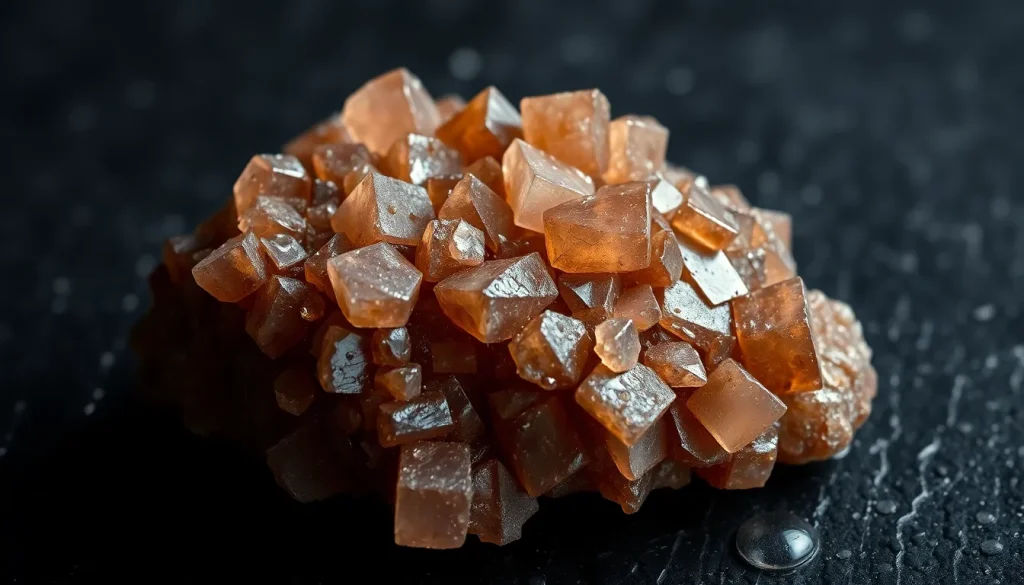
Ludlamite is a hydrated iron‑manganese phosphate mineral with the general formula (Fe,Mn)2(PO4)2·2H2O. It crystallises in the monoclinic system and typically forms tabular or platy crystals that can reach several centimeters in size. The stone displays a palette ranging from brown and yellow‑brown to pinkish‑red, often with a vitreous to sub‑adamantine luster. Its hardness of 3.5–4 on the Mohs scale makes it relatively soft compared with many traditional gemstones, so it is most often used in pendants, earrings, or as a collector’s specimen rather than in high‑impact rings.
History and Origin
The mineral was first described in 1868 from an occurrence in the Franklin district of New Jersey, USA, and was named after the American mineralogist Charles L. Ludlam. Since that time, ludlamite has been reported from phosphate‑rich pegmatites and metamorphic skarn deposits worldwide. Notable localities include the Franklin (New Jersey) area, the Minas Gerais region of Brazil, the Sarrancolin district in France, the Harz Mountains of Germany, and several sites in Russia. These deposits are typically associated with other secondary phosphates such as wavellite, phosphophyllite, and turquoise.
Meaning and Symbolism
In traditional gemstone lore, ludlamite’s earthy brown and warm pink hues are linked to grounding, stability, and emotional warmth. It is said to encourage perseverance during challenging times and to foster a sense of inner security. Because the stone often forms in layered, sheet‑like crystals, some cultures view it as a symbol of layered knowledge and the gradual unveiling of truth.
Healing and Metaphysical Properties
Crystal‑healing practitioners attribute the following qualities to ludlamite, describing them as beliefs rather than medical facts:
- Grounding: Thought to help anchor the wearer’s energy to the Earth, supporting practical decision‑making.
- Emotional Balance: Believed to soothe feelings of anxiety and promote emotional resilience.
- Physical Support: Some claim it assists with joint comfort and bone health, reflecting its phosphate composition.
These attributes are part of longstanding metaphysical traditions and should not replace professional health advice.
Varieties and Types
Ludlamite does not have widely recognized varieties, but its appearance can vary according to the relative iron‑to‑manganese ratio and the degree of hydration. Specimens rich in manganese tend toward pinkish‑red tones, while those higher in iron display deeper brown or chocolate‑brown colors. In some localities, minor amounts of zinc or calcium may substitute into the structure, producing subtle shifts in hue.
Jewelry Uses and Care
Because of its modest hardness, ludlamite is best suited for jewelry that experiences limited wear, such as pendants, brooches, earrings, and decorative beads. When set, it should be protected from scratches by using softer metal settings (e.g., copper or silver) and by avoiding direct contact with harder gemstones.
Cleaning: Gently wipe the stone with a soft, lint‑free cloth. For deeper cleaning, use lukewarm water with a mild soap solution, and avoid ultrasonic cleaners or steam, which can cause the water of hydration to be expelled and potentially alter the stone’s appearance.
Storage: Store ludlamite separately in a padded pouch or a compartment lined with soft fabric to prevent abrasion. Keep it away from high humidity environments that could promote further hydration or mineral alteration.
Buying Guide
When purchasing ludlamite, consider the following factors:
- Color Consistency: Look for a uniform color without excessive zoning, unless a natural pattern is desired.
- Clarity: The stone is often translucent to opaque; high‑clarity pieces are rarer and may command higher prices.
- Cut and Setting: Because the mineral is soft, a protective setting is essential. Cabochon cuts are common and help shield the surface.
- Origin Documentation: Reputable dealers should provide provenance, especially for specimens from classic localities such as Franklin, New Jersey.
- Treatment Disclosure: Some ludlamite may be stabilized or dyed to enhance color. Ensure any treatment is fully disclosed before purchase.
For valuable collector pieces, request a gemological report from a recognized laboratory to verify authenticity and to detail any treatments.
FAQ
What is ludlamite good for?
Ludlamite is primarily valued by collectors for its warm earthy colors and distinctive crystal habit. In traditional crystal lore it is believed to aid grounding, emotional balance, and physical comfort, though these uses are not medically verified.
Is ludlamite rare?
Ludlamite is not among the most common phosphate minerals, but it occurs in several well‑documented localities. High‑quality, transparent specimens are relatively scarce, making them more valuable than lower‑grade material.
How can you tell if ludlamite is real?
Real ludlamite exhibits a characteristic brown to pink hue, a vitreous luster, and a perfect cleavage on {010}. It feels slightly softer than quartz (Mohs 3.5–4). Professional verification with a gemological lab is recommended for certainty, especially to detect any dye or stabilization treatments.
What chakra is ludlamite associated with?
In crystal‑healing traditions ludlamite is sometimes linked to the Root Chakra for grounding, though no single standard chakra association exists.
How should you clean ludlamite?
Clean ludlamite gently with a soft cloth and lukewarm soapy water. Avoid ultrasonic cleaners, steam, or harsh chemicals, as the stone’s water of hydration can be expelled, potentially altering its color or structure.
Leave a Reply