
Short Answer
Overview
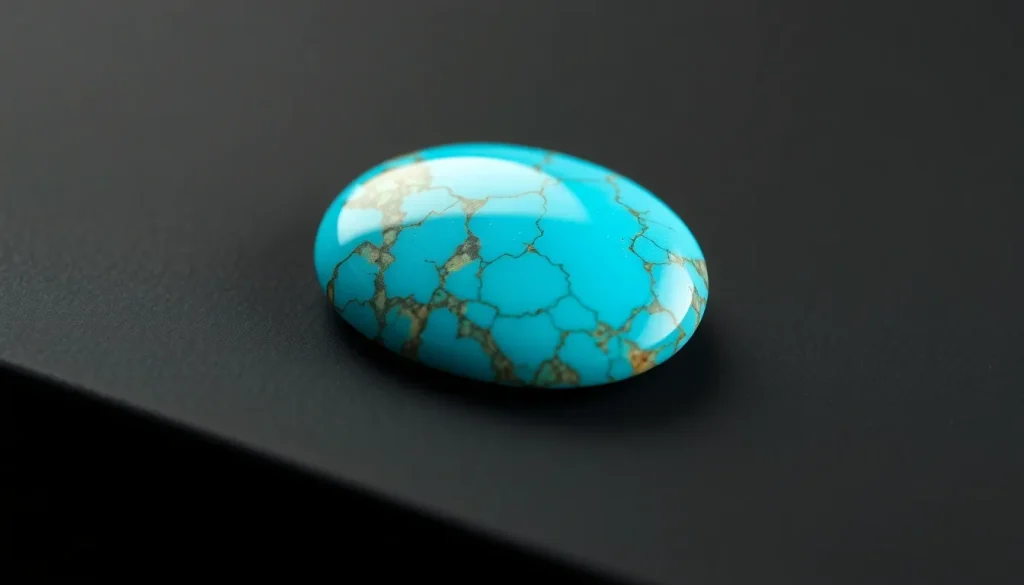
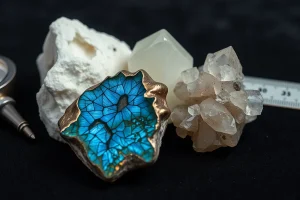
Turquoise is a hydrous copper‑aluminum phosphate mineral, chemically expressed as CuAl6(PO4)4(OH)8·4H2O. It is renowned for its distinctive sky‑blue to green‑blue hues, often interlaced with brown or black matrix. With a Mohs hardness of 5–6, it is relatively soft and porous, characteristics that influence its handling and treatment.
History and Origin
Turquoise has been mined and treasured for millennia. Early records show use in ancient Egypt, Mesopotamia, and the Indus Valley, where it adorned pharaohs and was traded along the Silk Road. In the American Southwest, Native peoples incorporated turquoise into ceremonial objects and personal adornments. Modern commercial production began in the late 19th century with large deposits discovered in the United States (Arizona, Nevada), Iran, and China.
Meaning and Symbolism
Across cultures, turquoise is associated with protection, good fortune, and communication. In many traditions it symbolizes the sky and water, representing clarity of thought and emotional balance. It has also been regarded as a talisman for safe travel and a stone that fosters honest expression.
Healing and Metaphysical Properties
Crystal‑healing practitioners attribute turquoise with calming the nervous system, enhancing communication, and supporting the throat chakra. It is believed to aid in expressing truth, reduce anxiety, and promote overall emotional equilibrium. These claims are based on traditional beliefs and are not medical facts; turquoise should not replace professional health care.
Varieties and Types
Turquoise occurs in several varieties distinguished by hue, matrix pattern, and treatment:
- Sky‑blue turquoise – Light, robin‑egg blue with minimal matrix.
- Green turquoise – More pronounced green tones, often from higher copper content.
- Matrix turquoise – Displays striking brown or black veins within the blue background.
- Stabilized turquoise – Porous material impregnated with polymer or resin to improve durability.
- Reconstituted turquoise – Made from powdered turquoise bound with a binder; used for imitation.
Jewelry Uses and Care
Because of its vivid color, turquoise is popular in necklaces, bracelets, rings, and earrings, often set in silver or gold to complement its hue. Care guidelines include:
- Avoid prolonged exposure to sunlight, heat, and chemicals, which can fade the color.
- Clean gently with a soft, damp cloth; do not use ultrasonic cleaners or harsh detergents.
- Store separately from harder gemstones to prevent scratches.
- Consider applying a breathable sealant for untreated stones, though this may alter the natural appearance.
Buying Guide
When purchasing turquoise, consider the following factors:
- Color – Uniform, vivid blue or green is most valued; avoid overly pale or overly dark stones.
- Matrix – A fine, evenly distributed matrix can enhance value; large, disruptive veins may lower it.
- Treatment disclosure – Ask whether the stone is natural, stabilized, or reconstituted; untreated natural turquoise commands higher prices.
- Origin – Provenance from historic sources such as Iran or the American Southwest can add desirability.
- Certification – Reputable gem labs (e.g., GIA, IGI) can provide a grading report confirming authenticity.
Buying from a trusted dealer who offers transparent return policies and clear treatment information will help ensure a satisfactory purchase.
FAQ
What is turquoise good for?
Turquoise is prized for its vivid blue‑green color in jewelry and decorative objects; traditionally it is believed to support communication, protect travelers, and promote emotional balance, though these are not medical claims.
Is turquoise rare?
High‑quality, untreated turquoise with uniform color and minimal matrix is relatively scarce, especially from historic sources. More common are lower‑grade stones or those that have been stabilized or reconstituted.
How can you tell if turquoise is real?
Real turquoise feels cool, has a porous feel, and may show natural matrix. Simple tests include checking for a light blue streak and observing weight. For certainty, seek a professional gemological report and inquire about any treatments.
What chakra is turquoise associated with?
In crystal‑healing traditions turquoise is most often linked to the Throat chakra, and sometimes to the Heart chakra, to aid communication and emotional expression.
How should you clean turquoise?
Gently wipe turquoise with a soft, damp cloth. Avoid ultrasonic cleaners, harsh chemicals, and prolonged sunlight. If the stone is stabilized, mild soap and lukewarm water are acceptable, but always follow the dealer’s care recommendations.
Leave a Reply