
Short Answer
Overview
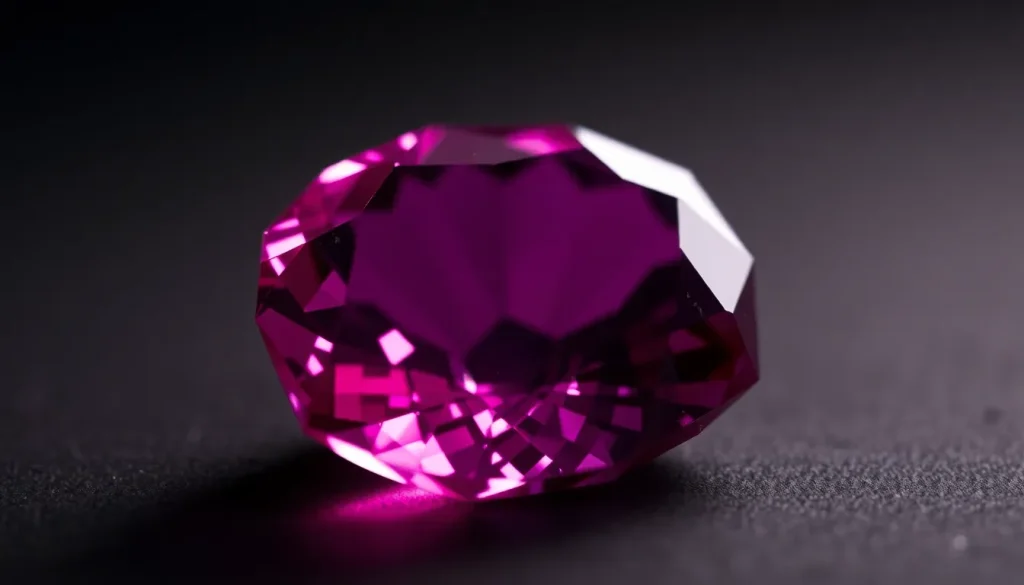
Pezzottaite, often marketed as raspberry beryl or pink beryl, is a naturally occurring cyclosilicate belonging to the beryl family. Its most striking feature is a vivid pink to raspberry hue that can display subtle violet undertones. With a Mohs hardness of 7.5–8, it is suitable for a range of jewelry applications while offering a brilliance comparable to other beryl varieties such as aquamarine and emerald.
History and Origin
The gemstone was first identified in 2002 in the Ilakaka region of southern Madagascar by Italian geologist Dr. Federico Pezzotta, after whom the stone is named. Subsequent discoveries have confirmed limited deposits in the Khorog district of Afghanistan. Because the known localities are few and mining is small‑scale, gem‑quality pezzottaite remains relatively scarce.
Meaning and Symbolism
In contemporary gemstone lore, pezzottaite is associated with love, compassion, and emotional balance. Its pink coloration is linked to the heart’s energy, symbolizing affection, nurturing, and the opening of the heart to deeper connections. Collectors value the stone both for its aesthetic appeal and its perceived ability to inspire kindness.
Healing and Metaphysical Properties
Traditional crystal‑healing beliefs attribute the following properties to pezzottaite:
- Emotional healing: Encourages the release of old emotional patterns and promotes forgiveness.
- Heart chakra activation: Supports the Heart / Anahata chakra, fostering love and empathy.
- Spiritual insight: Said to enhance intuition and aid meditation by calming the mind.
These attributes are based on longstanding metaphysical traditions and are not intended as medical advice.
Varieties and Types
Pezzottaite occurs primarily in two color ranges:
- Raspberry Pink: The classic, saturated pink that gives the stone its common name.
- Violet‑Pink: A slightly cooler hue with noticeable violet overtones.
Most commercial specimens are untreated, as the natural color is stable. Rarely, heat treatment is applied to enhance clarity, but such treated stones are clearly disclosed in the market.
Jewelry Uses and Care
Because of its hardness, pezzottaite is suitable for rings, pendants, earrings, and high‑end watch settings. The stone’s cleavage is basal and can be prone to chipping if struck sharply; therefore, protective settings are recommended.
Cleaning: Use warm, soapy water and a soft brush. Avoid ultrasonic cleaners if the stone is set in a fragile mount. Dry with a lint‑free cloth.
Storage: Keep separate from softer gems such as opal or pearl, and store in a padded compartment to prevent impact.
Buying Guide
When purchasing pezzottaite, consider the following factors:
- Color saturation: Deep, even pink without brownish zones is most valued.
- Clarity: Inclusions are common; eye‑clean stones command higher prices.
- Cut: Well‑proportioned cuts (round, oval, cushion) maximize brilliance.
- Origin certification: Reputable dealers provide a gemological report confirming Madagascar or Afghan provenance.
- Treatment disclosure: Ensure any heat or irradiation treatment is fully disclosed.
Because pezzottaite is relatively rare, prices can vary widely. Seeking a certified gem from an established retailer helps guarantee authenticity.
FAQ
What is pezzottaite good for?
Pezzottaite is prized for its vivid pink color in fine jewelry and is traditionally believed to promote emotional balance and heart‑centered love. It is also collected for its rarity and scientific interest as a beryl variety.
Is pezzottaite rare?
Yes, gem‑quality pezzottaite is considered rare because it is found only in limited deposits in Madagascar and Afghanistan, and high‑quality stones with deep, even color are especially uncommon.
How can you tell if pezzottaite is real?
Authentic pezzottaite displays a high refractive index (1.568–1.583), strong birefringence, and a hexagonal crystal habit under magnification. Professional gemological testing, such as spectroscopy or a GIA report, is recommended for certainty.
What chakra is pezzottaite associated with?
In crystal‑healing traditions, pezzottaite is most commonly linked to the Heart / Anahata chakra, where it is believed to foster love, compassion, and emotional openness.
How should you clean pezzottaite?
Clean pezzottaite with warm, mildly soapy water and a soft brush. Avoid ultrasonic cleaners if the stone is set in a delicate mount, and store it separately from softer gems to prevent scratching.
Leave a Reply