
Short Answer
Overview
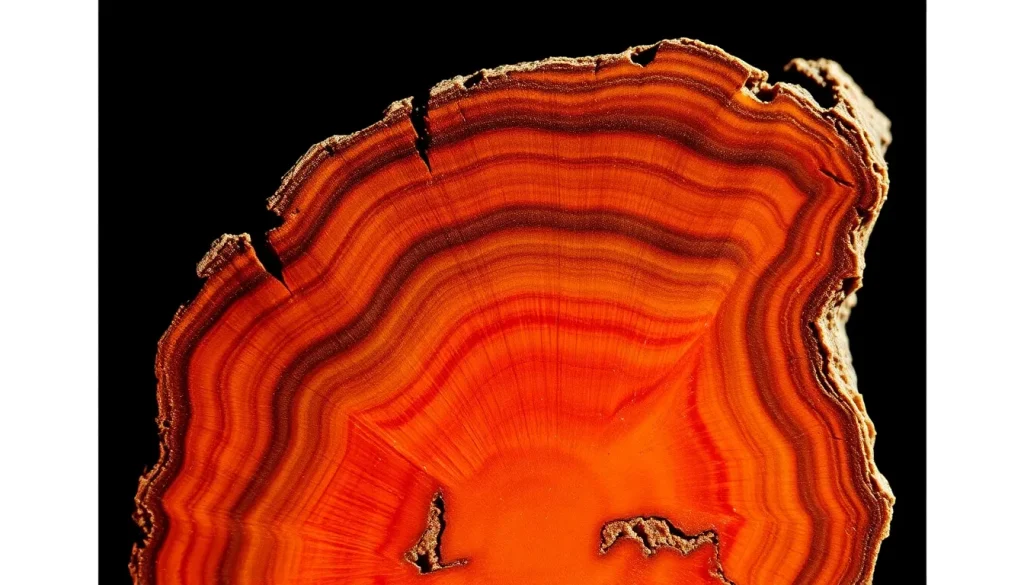
Petrified wood, also called fossilized wood or silicified wood, is the mineralized remains of ancient trees. Over millions of years, groundwater rich in silica or other minerals permeates the wood, replacing the organic cellulose with a crystalline mineral while preserving the original cellular structure. The result is a stone that looks like wood but possesses the hardness and durability of a mineral.
History and Origin
The process of petrifaction began in the Precambrian and continued through the Cenozoic eras. Notable deposits were formed in regions that experienced volcanic ash falls or silica‑rich hydrothermal activity. Historically, indigenous peoples used petrified wood for tools and ornamental objects. In modern times, it is prized by collectors, lapidaries, and designers for its natural patterns and earth tones.
Meaning and Symbolism
Traditionally, petrified wood is seen as a symbol of endurance, grounding, and the passage of time. Its retained wood grain is thought to connect the wearer to ancient wisdom and the cycles of nature. In many cultures the stone represents stability, perseverance, and the ability to transform adversity into strength.
Healing and Metaphysical Properties
In crystal‑healing circles, petrified wood is believed to promote grounding and emotional balance. Practitioners claim it can help release old patterns, encourage personal growth, and foster a deeper connection to the Earth. These attributes are described as traditional beliefs and are not intended as medical advice.
Varieties and Types
While quartz (SiO₂) is the most common mineral that replaces the wood, other minerals such as calcite, pyrite, and opal can also be present, creating distinct color palettes. Common varieties include:
- Amber Petrified Wood – warm yellows to deep oranges, often from the western United States.
- Green Petrified Wood – tinted by chlorite or other iron‑bearing minerals.
- Blue/Black Petrified Wood – colored by manganese or iron oxides.
- Multicolored Banding – layers of different minerals create striking striped patterns.
Jewelry Uses and Care
Because of its hardness (Mohs 6.5–7.5) and durability, petrified wood is suitable for rings, pendants, earrings, and inlay work. Its porous nature can vary; some specimens are relatively dense, while others retain micro‑fractures. Care recommendations:
- Clean with a soft, damp cloth; avoid abrasive cleaners.
- Do not expose to prolonged ultrasonic cleaning, which can stress internal fractures.
- Store away from acids, harsh chemicals, and extreme temperature changes.
Buying Guide
When purchasing petrified wood, consider the following factors:
- Pattern and Grain Preservation – High‑quality pieces show clear wood structure and consistent banding.
- Color Saturation – Vibrant, even coloration is often more desirable.
- Stability – Look for a uniform mineral replacement; excessive porosity may indicate weakness.
- Origin Documentation – Reputable sellers provide locality information and, when possible, a gem‑ological report.
n
Because treatment is rare for petrified wood, most specimens are natural. However, some may be stabilized with resin to improve durability in jewelry. Always ask the seller about any enhancements.
FAQ
What is petrified wood good for?
Petrified wood is prized for decorative objects, jewelry, and as a collector’s specimen because of its unique wood grain patterns and durability. Traditional beliefs also associate it with grounding, emotional stability, and a connection to ancient wisdom.
Is petrified wood rare?
Petrified wood is not inherently rare; it occurs in many locations worldwide. However, high‑quality pieces with vivid colors, clear grain, and minimal fractures are less common and can be more valuable.
How can you tell if petrified wood is real?
Real petrified wood feels heavy for its size, shows natural wood grain, and has a hardness of 6.5–7.5 on the Mohs scale. A simple scratch test with a steel nail should not leave a mark. For certainty, seek a professional gem‑lab report.
What chakra is petrified wood associated with?
In crystal‑healing traditions, petrified wood is often linked to the Root (Muladhara) chakra for grounding, though some sources list it under “No single standard chakra.” These associations are symbolic, not scientific.
How should you clean petrified wood?
Wipe gently with a soft, damp cloth. Avoid ultrasonic cleaners, harsh chemicals, or prolonged soaking. For stubborn grime, use a mild soap solution and rinse thoroughly, then dry with a lint‑free cloth.
Leave a Reply